โซ่ใบไม้และโซ่ยก
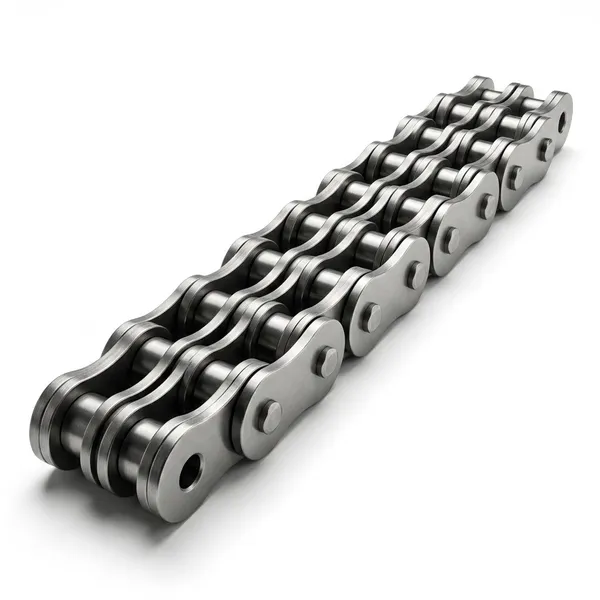
เกาหลี เอเวอร์พาวเวอร์ โซ่ใบไม้ โซ่แผ่น (Leaf chain) เป็นชุดประกอบหมุดและแผ่นที่มีความแข็งแรงสูง ออกแบบมาสำหรับการใช้งานรับแรงดึงมากกว่าการส่งกำลัง แตกต่างจากโซ่ลูกกลิ้ง โซ่แผ่นรับน้ำหนักทั้งหมดผ่านแผ่นเชื่อมต่อที่เรียงซ้อนกันโดยใช้หมุดยึดโดยไม่มีบูชหรือลูกกลิ้ง ทำให้โครงสร้างมีขนาดกะทัดรัด ยืดหยุ่นสูง และสามารถรับแรงดึงสูงมากในรูปทรงที่แคบ เหมาะสำหรับพื้นที่จำกัดภายในช่องเสาของรถยก โซ่แผ่นซีรีส์ BL และ LH สำหรับชุดประกอบเสาของรถยก ระบบขับเคลื่อนประตูอุตสาหกรรม ระบบถ่วงน้ำหนัก และกลไกยก รับน้ำหนักขาดขั้นต่ำตั้งแต่ 11.1 kN ถึงมากกว่า 1,600 kN ผลิตตามมาตรฐาน ISO 4347 และ ANSI B29.8
11.1 กิโลนิวตัน
แรงดึงขั้นต่ำ
1,600+ กิโลนิวตัน
แรงดึงสูงสุด
ไอโอเอส 4347
และ ANSI B29.8
5:1
ปัจจัยด้านความปลอดภัย
โซ่ยกใบไม้และโซ่ยก - ภาพรวมผลิตภัณฑ์
ผลิตภัณฑ์ในกลุ่ม EP ประกอบด้วยสองซีรีส์ ซีรีส์ BL โซ่เหล่านี้เป็นไปตามมาตรฐาน ANSI B29.8 ซึ่งเป็นมาตรฐานหลักในอเมริกาเหนือและเกาหลี และระบุด้วยรหัสสองหลักที่แสดงถึงขนาดเส้นผ่านศูนย์กลางของหมุดและจำนวนแผ่นเชื่อมต่อต่อข้อ (เช่น BL622 หมายถึง ระยะห่าง 6/8 นิ้ว การร้อยแผ่นแบบ 2x2) ซีรี่ส์ LH โซ่ทั้งสองรุ่นเป็นไปตามมาตรฐาน ISO 4347 ของยุโรป และมีขนาดที่เข้ากันได้กับข้อกำหนดของผู้ผลิตรถยกหลายรายในยุโรป โซ่ทั้งสองรุ่นผลิตจากแผ่นเหล็กอัลลอยและหมุดชุบแข็ง โดยแต่ละโซ่จะได้รับการทดสอบแรงรับน้ำหนักก่อนออกจากสายการผลิต
การใช้งานไม่ได้จำกัดอยู่แค่รถยกเท่านั้น แต่ยังรวมถึงตุ้มถ่วงประตูแนวตั้งในอุตสาหกรรม บล็อกยกของเครน กลไกปรับความตึงบนแท่นกด และอุปกรณ์ปรับระดับน้ำหนักบนอุปกรณ์ประกอบชิ้นส่วนยานยนต์ สำหรับการใช้งานใดๆ ที่ต้องการการเปลี่ยนชิ้นส่วนเพื่อการบำรุงรักษา สามารถตรวจสอบหมายเลขรุ่นและระยะห่างของโซ่ EP กับหมายเลขชิ้นส่วน OEM ได้โดยตรงตามคำขอ
โซ่แบบใบและโซ่แบบลูกกลิ้ง - ข้อแตกต่างที่สำคัญ
โซ่แบบแผ่นเป็นชิ้นส่วนรับแรงดึงล้วนๆ ไม่มีลูกกลิ้งและไม่มีบูช มีเพียงแผ่นเชื่อมต่อด้านในและด้านนอกที่สลับกันและยึดด้วยหมุดเหล็กชุบแข็ง ทำให้สามารถวางแผ่นได้มากกว่าบนหมุดเดียว เมื่อเทียบกับโซ่ลูกกลิ้งที่มีระยะห่างเท่ากัน ส่งผลให้รับแรงดึงได้สูงกว่าหลายเท่าในระยะห่างเดียวกัน การไม่มีลูกกลิ้งยังช่วยขจัดความจำเป็นในการเว้นช่องว่างสำหรับการหมุนระหว่างบูชและลูกกลิ้ง ซึ่งหมายความว่าโซ่สามารถพับได้แน่นกว่ามากรอบๆ รอกหรือลูกรอกที่มีเส้นผ่านศูนย์กลางเล็ก – ซึ่งสำคัญมากในพื้นที่จำกัดของเสายกของรถยก
อย่างไรก็ตาม โซ่ใบไม่สามารถส่งกำลังหมุนผ่านการเกี่ยวของฟันเฟืองได้ จึงมักใช้กับดรัมทรงกระบอกเรียบ รอกนำทาง หรือหมุดยึดแบบมีร่องเสมอ ผลที่ตามมาคือ โซ่ใบมักใช้เฉพาะในงานยกและดึงเชิงเส้นเท่านั้น ไม่เคยใช้ในระบบขับเคลื่อนแบบหมุนเลย
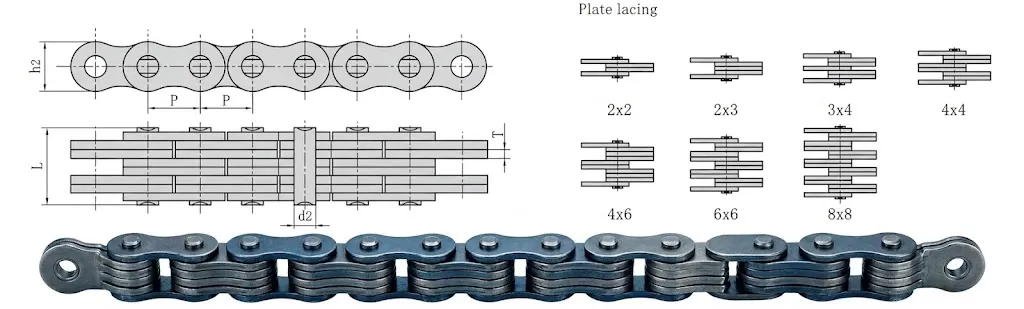
กายวิภาคของห่วงโซ่ใบไม้
แผ่นเชื่อมต่อ
เหล็กอัลลอยขึ้นรูปด้วยการปั๊มขึ้นรูป; มีแผ่นเหล็กหลายแผ่นต่อข้อต่อเพื่อเพิ่มความสามารถในการรับน้ำหนัก
เข็มหมุด
โลหะผสมชุบแข็งแบบทั่วถึง; ชิ้นส่วนรับแรงเฉือนและแรงดัดหลัก
อัตราส่วนการผูกเชือก
2x2, 3x3, 4x4, 6x6 เป็นต้น อัตราส่วนที่สูงขึ้นจะให้ความแข็งแรงมากขึ้น
สลักยึด / สลักคลีวิส
ข้อต่อปลายโซ่สำหรับเชื่อมต่อโซ่กับโครงเสาหรือกระบอกไฮดรอลิก
ข้อมูลจำเพาะของโซ่ใบไม้รุ่น BL - EP-BL4 ถึง EP-BL8
มาตรฐาน: ANSI B29.8 ขนาดทั้งหมดเป็นมิลลิเมตร แรงดึงขาดขั้นต่ำ (MBL) คือต่อเส้นโซ่ที่แรงดึงทดสอบ หมายเลข BL ประกอบด้วยระดับระยะห่างของฟันโซ่และการกำหนดรูปแบบการร้อยโซ่ (เช่น BL623 หมายถึงระยะห่างของฟันโซ่ 19.05 มม. การร้อยโซ่แบบ 2x3)
| แบบจำลอง EP | ระยะห่างระหว่างเกลียว (มม.) | เส้นผ่านศูนย์กลางของขาพิน (มม.) | ความกว้างของแผ่น (มม.) | ความหนาของแผ่น (มม.) | แรงดึงขาดขั้นต่ำ (กิโลนิวตัน) | น้ำหนัก (กก./ตร.ม.) |
|---|---|---|---|---|---|---|
| อีพี-บีแอล422 | 12.70 | 4.45 | 7.92 | 1.52 | 11.1 | 0.27 |
| อีพี-บีแอล434 | 12.70 | 4.45 | 7.92 | 1.52 | 20.0 | 0.41 |
| อีพี-บีแอล444 | 12.70 | 4.45 | 7.92 | 1.52 | 24.5 | 0.47 |
| อีพี-บีแอล446 | 12.70 | 4.45 | 7.92 | 1.52 | 28.9 | 0.54 |
| อีพี-บีแอล522 | 15.875 | 5.08 | 9.53 | 1.93 | 17.8 | 0.40 |
| อีพี-บีแอล534 | 15.875 | 5.08 | 9.53 | 1.93 | 31.1 | 0.62 |
| อีพี-บีแอล544 | 15.875 | 5.08 | 9.53 | 1.93 | 37.8 | 0.72 |
| อีพี-บีแอล546 | 15.875 | 5.08 | 9.53 | 1.93 | 44.5 | 0.82 |
| อีพี-บีแอล622 | 19.050 | 5.94 | 12.07 | 2.42 | 26.7 | 0.58 |
| อีพี-บีแอล623 | 19.050 | 5.94 | 12.07 | 2.42 | 33.4 | 0.69 |
| อีพี-บีแอล634 | 19.050 | 5.94 | 12.07 | 2.42 | 44.5 | 0.88 |
| อีพี-บีแอล644 | 19.050 | 5.94 | 12.07 | 2.42 | 53.4 | 1.04 |
| อีพี-บีแอล646 | 19.050 | 5.94 | 12.07 | 2.42 | 62.3 | 1.20 |
| อีพี-บีแอล666 | 19.050 | 5.94 | 12.07 | 2.42 | 80.1 | 1.50 |
| อีพี-บีแอล688 | 19.050 | 5.94 | 12.07 | 2.42 | 106.8 | 2.00 |
| อีพี-บีแอล822 | 25.400 | 7.92 | 15.88 | 3.18 | 44.5 | 0.96 |
| อีพี-บีแอล834 | 25.400 | 7.92 | 15.88 | 3.18 | 75.6 | 1.48 |
| อีพี-บีแอล844 | 25.400 | 7.92 | 15.88 | 3.18 | 89.0 | 1.75 |
| อีพี-บีแอล846 | 25.400 | 7.92 | 15.88 | 3.18 | 107.0 | 2.05 |
| อีพี-บีแอล866 | 25.400 | 7.92 | 15.88 | 3.18 | 138.0 | 2.58 |
| อีพี-บีแอล888 | 25.400 | 7.92 | 15.88 | 3.18 | 178.0 | 3.28 |
ข้อมูลจำเพาะของโซ่ใบไม้รุ่น LH Series - EP-LH0822 ถึง EP-LH2066
มาตรฐาน: ISO 4347 การกำหนด LH ใช้รหัสระยะห่างของรูร้อยเชือกและรูปแบบการร้อยเชือก LH0822 หมายถึงระยะห่างของรูร้อยเชือก 25.4 มม. (คำนำหน้า 08) การร้อยเชือกแบบ 2x2 LH2066 หมายถึงระยะห่างของรูร้อยเชือก 63.5 มม. (คำนำหน้า 20) การร้อยเชือกแบบ 6x6
| แบบจำลอง EP | ระยะห่างระหว่างเกลียว (มม.) | เส้นผ่านศูนย์กลางของขาพิน (มม.) | ความกว้างของแผ่น (มม.) | ความหนาของแผ่น (มม.) | แรงดึงขาดขั้นต่ำ (กิโลนิวตัน) | น้ำหนัก (กก./ตร.ม.) |
|---|---|---|---|---|---|---|
| อีพี-แอลเอช0822 | 25.40 | 7.92 | 15.88 | 3.18 | 44.5 | 0.96 |
| อีพี-แอลเอช0834 | 25.40 | 7.92 | 15.88 | 3.18 | 75.6 | 1.48 |
| อีพี-แอลเอช0844 | 25.40 | 7.92 | 15.88 | 3.18 | 89.0 | 1.75 |
| อีพี-แอลเอช1022 | 31.75 | 9.53 | 19.05 | 4.00 | 66.7 | 1.55 |
| อีพี-แอลเอช1034 | 31.75 | 9.53 | 19.05 | 4.00 | 111.2 | 2.43 |
| อีพี-แอลเอช1044 | 31.75 | 9.53 | 19.05 | 4.00 | 133.4 | 2.88 |
| อีพี-แอลเอช1222 | 38.10 | 11.10 | 22.23 | 4.80 | 89.0 | 2.18 |
| อีพี-แอลเอช1234 | 38.10 | 11.10 | 22.23 | 4.80 | 150.0 | 3.43 |
| อีพี-แอลเอช1244 | 38.10 | 11.10 | 22.23 | 4.80 | 178.0 | 4.00 |
| อีพี-แอลเอช1634 | 50.80 | 14.27 | 28.58 | 6.35 | 267.0 | 6.67 |
| อีพี-แอลเอช1644 | 50.80 | 14.27 | 28.58 | 6.35 | 320.0 | 7.85 |
| อีพี-แอลเอช2034 | 63.50 | 19.05 | 36.45 | 7.94 | 480.0 | 11.80 |
| อีพี-แอลเอช2044 | 63.50 | 19.05 | 36.45 | 7.94 | 578.0 | 13.92 |
| อีพี-แอลเอช2066 | 63.50 | 19.05 | 36.45 | 7.94 | 800.0 | 18.80 |
BL Series เทียบกับ LH Series - การเปรียบเทียบและการเลือกใช้
| เกณฑ์ | ซีรีส์ EP-BL (ANSI B29.8) | ซีรีส์ EP-LH (ISO 4347) |
|---|---|---|
| มาตรฐาน | ANSI B29.8 | ISO 4347 / FEM 4.004 |
| ตลาดหลัก | สหรัฐอเมริกา เกาหลี ญี่ปุ่น เอเชียตะวันออกเฉียงใต้ | ยุโรป สหราชอาณาจักร ออสเตรเลีย ตะวันออกกลาง |
| ช่วงระดับเสียง | 12.70 มม. ถึง 25.40 มม. (BL4 - BL8) | 25.40 มม. ถึง 63.50 มม. (LH08 - LH20) |
| การใช้งานทั่วไป | รถยกขนาดเล็กถึงขนาดกลาง รับน้ำหนักได้ 1 ถึง 5 ตัน | รถยกขนาดกลางถึงขนาดใหญ่ น้ำหนัก 3 ถึง 20 ตันขึ้นไป |
| ตัวเลือกการผูกเชือก | 2x2 ถึง 8x8 | 2x2 ถึง 6x6 |
| ข้อต่อปลาย | สลักยึด, ตัวยึดแบบก้ามปู หรือแบบปลายแท็บ; สามารถจัดหาให้ตรงกับความต้องการของผู้ผลิตได้ตามคำขอ | สลักยึด, ตัวยึดแบบก้ามปู หรือแบบปลายแท็บ; สามารถจัดหาให้ตรงกับความต้องการของผู้ผลิตได้ตามคำขอ |
| ความเข้ากันได้กับอุปกรณ์ OEM | ข้อมูลจำเพาะของรถยกของโตโยต้า โคมัตสุ มิตซูบิชิ ดูซาน | ข้อมูลจำเพาะของ Linde, Jungheinrich, BT, Hyster/Yale |
แอปพลิเคชัน
ชุดเสาสำหรับรถยก
โซ่ EP-BL และ EP-LH เป็นโซ่ทดแทนที่เข้ากันได้กับชิ้นส่วนเดิมของรถยก (Forklift) ยี่ห้อ Toyota, Komatsu, Linde, Hyster, Yale, Mitsubishi, Doosan, BT และ Jungheinrich ตั้งแต่ 0.5 ตัน ถึง 25 ตัน ครอบคลุมทั้งตำแหน่งโซ่ยกอิสระและโซ่ยกหลัก โซ่จะถูกตัดให้ได้ความสูงที่เหมาะสมกับความสูงของเสายก และติดตั้งด้วยอุปกรณ์ยึดและข้อต่อที่เหมาะสม
ระบบถ่วงน้ำหนักอุตสาหกรรม
ประตูแนวตั้งความเร็วสูงสำหรับงานอุตสาหกรรม แกนหมุนเครื่องมือกล และกลไกปรับสมดุลแท่นกด ใช้โซ่ EP-LH1034 ถึง EP-LH1644 ที่วิ่งบนรอกเหล็ก โซ่ต้องรักษาเสถียรภาพของขนาดภายใต้แรงดึงซ้ำๆ โดยไม่มีการคืบตัวหรือการยืดตัวที่วัดได้ โซ่ EP ผ่านการทดสอบที่ 10 ล้านรอบ ที่แรงดึงขาด 30% โดยไม่มีการเพิ่มขึ้นของระยะห่างระหว่างข้อต่อที่วัดได้ในการทดสอบก่อนการผลิต
การผูกรอกและเครน
โซ่ใบมีดหนา EP-LH2034 ถึง EP-LH2066 ในช่วงระยะห่าง 63.5 มม. ใช้ในระบบรอกเครนเหนือศีรษะ โซ่โครงสร้างในอู่ต่อเรือ และระบบแขวนกรงในเหมืองแร่ สามารถรับน้ำหนักได้มากกว่า 800 kN ต่อเส้นโซ่ ทำให้โซ่เหล่านี้เป็นส่วนประกอบรับแรงดึงที่มีกำลังสูงสุดในกลุ่มผลิตภัณฑ์ Korea Ever-Power การติดตั้งแบบหลายเส้นโดยใช้โซ่สองหรือสี่เส้นขนานกันเป็นมาตรฐานสำหรับกำลังยกที่มากกว่า 30 ตัน
อุปกรณ์จับยึดสำหรับสายการประกอบรถยนต์
อุปกรณ์ขนส่งโครงสร้างตัวถังรถยนต์ แท่นวางชุดประกอบระบบส่งกำลัง และอุปกรณ์ปรับความสูงแนวตั้งที่มีความแม่นยำสูงในสายการประกอบรถยนต์ ใช้โซ่แบบแผ่น เนื่องจากความสามารถในการรับน้ำหนักสูงในส่วนที่แคบ ช่วยให้อุปกรณ์สามารถรับน้ำหนักแผงตัวถังรถยนต์หรือบล็อกเครื่องยนต์ได้โดยที่โซ่ไม่ยื่นออกมานอกขอบเขตของอุปกรณ์ โซ่รุ่น EP-BL644 และ EP-BL646 เป็นที่นิยมใช้ในงานเหล่านี้
แนวทางการตรวจสอบและเปลี่ยนโซ่ใบมีด
การชำรุดของโซ่ใบมีดในรถยกเป็นความเสี่ยงด้านความปลอดภัยที่ร้ายแรง แนวทางต่อไปนี้สะท้อนถึงข้อกำหนดการตรวจสอบตามมาตรฐาน ISO 4347 และ FEM 4.004 และควรใช้เป็นพื้นฐานสำหรับโปรแกรมการบำรุงรักษาเป็นประจำ
เอ
ตรวจสอบการยืดตัวของโซ่
วัดความยาวที่ 12 หรือ 25 ข้อต่อขณะใช้งาน เปลี่ยนเมื่อการยืดตัวเกิน 3% ของความยาวที่ระบุ สำหรับ BL622 ที่ระยะห่าง 19.05 มม. ความยาวที่ระบุที่ 25 ข้อต่อคือ 476.25 มม. เปลี่ยนเมื่อความยาวเกิน 490.5 มม.
บี
ตรวจสอบดูว่ามีแผ่นโลหะแตกหรือไม่
ทำความสะอาดโซ่ด้วยน้ำยาขจัดคราบไขมัน และตรวจสอบแผ่นข้อต่อทุกแผ่นว่ามีรอยแตกบนพื้นผิวหรือไม่ โดยเฉพาะบริเวณใกล้รูสลักและบริเวณส่วนกลางของแผ่น หากพบแผ่นข้อต่อใดแตก จะต้องเปลี่ยนทันทีโดยไม่คำนึงถึงการยืดตัวของโซ่
ซี
ตรวจสอบการหมุนของพิน
ทำเครื่องหมายที่ปลายหมุดและตรวจสอบว่าหมุดไม่ได้หมุนในแผ่นด้านนอกระหว่างการใช้งาน การหมุนของหมุดหมายความว่าการยึดแน่นล้มเหลว ต้องเปลี่ยนโซ่ทันที หมุดที่หมุนจะทำให้แผ่นสึกหรออย่างรวดเร็วและอาจนำไปสู่ความล้มเหลวอย่างกะทันหันได้
ดี
ควรหล่อลื่นทุกครั้งที่เข้ารับบริการ
ทุกครั้งที่เข้ารับบริการตามกำหนด ควรใช้สารหล่อลื่นโซ่ที่มีประสิทธิภาพในการแทรกซึมได้ดี ทาให้ทั่วความยาวของโซ่ โดยทั่วไปแล้วควรทาทุกๆ 250 ถึง 500 ชั่วโมง สำหรับรถยกที่ใช้งานในสภาพแวดล้อมภายในอาคารปกติ ใช้หัวฉีดสเปรย์และปล่อยให้น้ำมันแทรกซึมเข้าไปในรูสลักก่อนเช็ดส่วนเกินออก
ผลิตภัณฑ์ที่เกี่ยวข้อง - โซ่และเฟืองที่เข้าชุดกัน
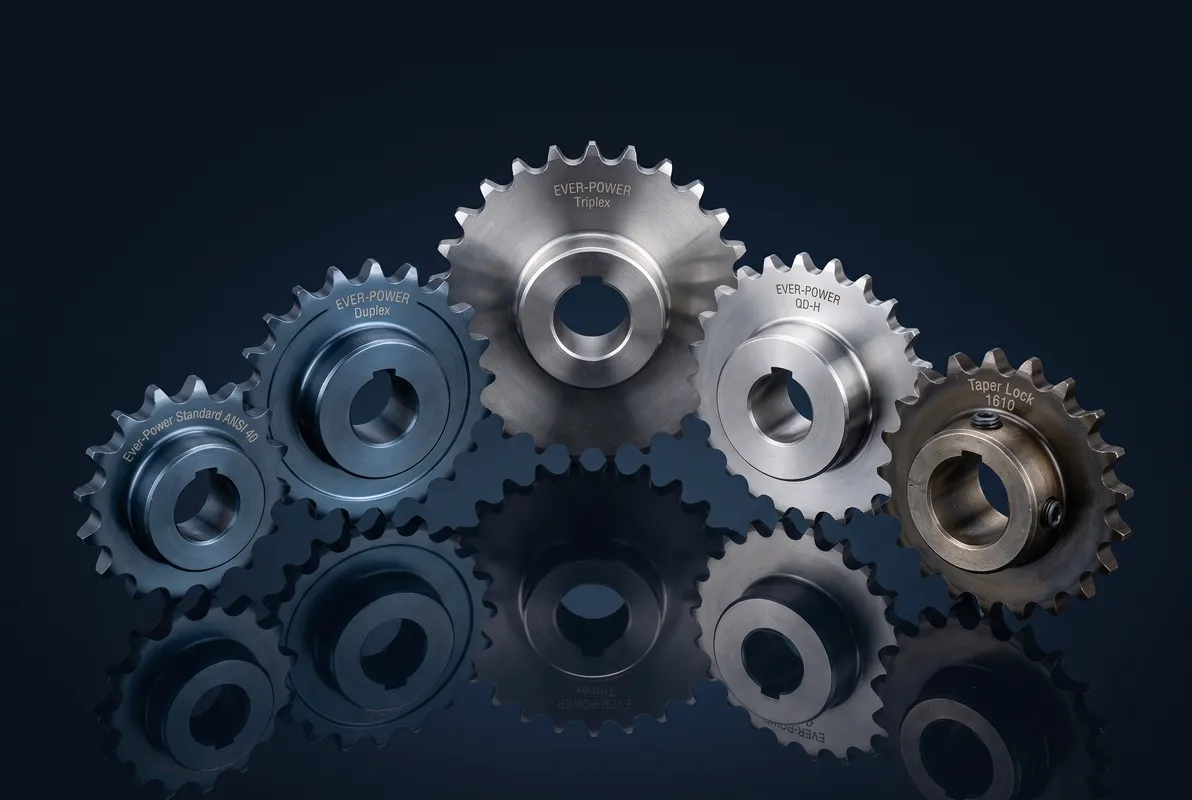
โซ่ทุกรุ่นในกลุ่มผลิตภัณฑ์ Korea Ever-Power มีเฟืองขับที่เข้ากันได้ เฟืองขับผลิตจากเหล็กกล้าคาร์บอน C45 เหล็กหล่อเหนียว และเหล็กกล้าอัลลอยชุบแข็ง เพื่อให้เหมาะกับรูปทรงฟันของโซ่แต่ละรุ่น การใช้เฟืองขับ EP ที่เข้ากันกับโซ่ EP ช่วยให้มั่นใจได้ว่าระยะห่างของฟันเฟืองถูกต้อง การกระจายแรงกดบนฟันเฟืองสม่ำเสมอ และอายุการใช้งานของโซ่จะยาวนานที่สุด
เดอะ ช่วงเฟือง ครอบคลุมโปรไฟล์ฟันแบบซิมเพล็กซ์ ดูเพล็กซ์ และไตรเพล็กซ์ สำหรับโซ่ลูกกลิ้งมาตรฐานซีรีส์ A และ B; โปรไฟล์ฟันสำหรับงานเกษตรกรรมสำหรับโซ่ซีรีส์ CA, CC และ S; โปรไฟล์ฟันตามมาตรฐาน ISO 1977 สำหรับโซ่ลำเลียงซีรีส์ M; และโปรไฟล์ฟันแบบกำหนดเองสำหรับโซ่ทางวิศวกรรมซีรีส์ WH มีบริการเจาะรู, ร่องลิ่ม, สกรูยึด, ตัวล็อคแบบเรียว และดุมบูช QD ขนาดรูมาตรฐานจัดส่งภายใน 5 วันทำการ; เฟืองที่มีรูสำเร็จรูปและดุมแบบพิเศษจัดส่งภายใน 10 วันทำการ
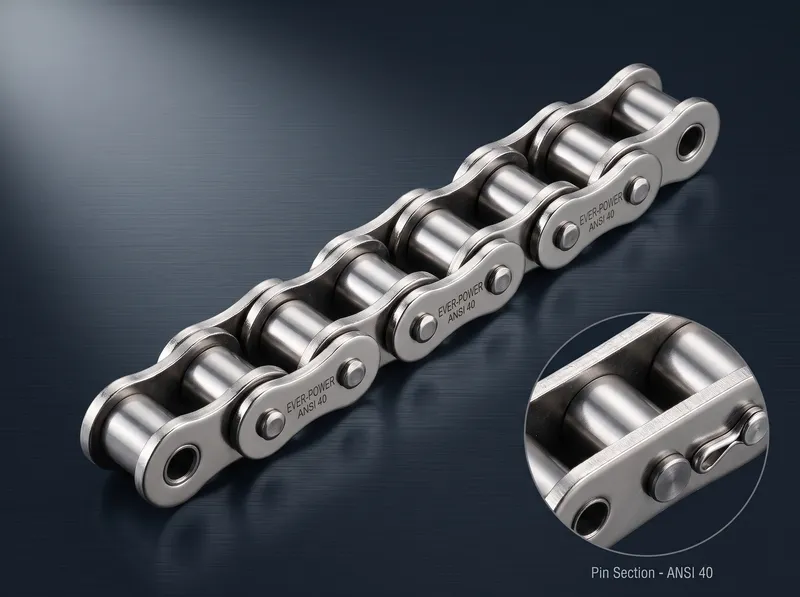
โซ่ขับเคลื่อน
โซ่ลูกกลิ้งความแม่นยำสูงแบบช่วงสั้น ซีรีส์ A และ B สำหรับระบบส่งกำลัง แบบซิมเพล็กซ์ถึงไตรเพล็กซ์ ช่วงฟันเฟือง 9.525 มม. ถึง 76.2 มม.
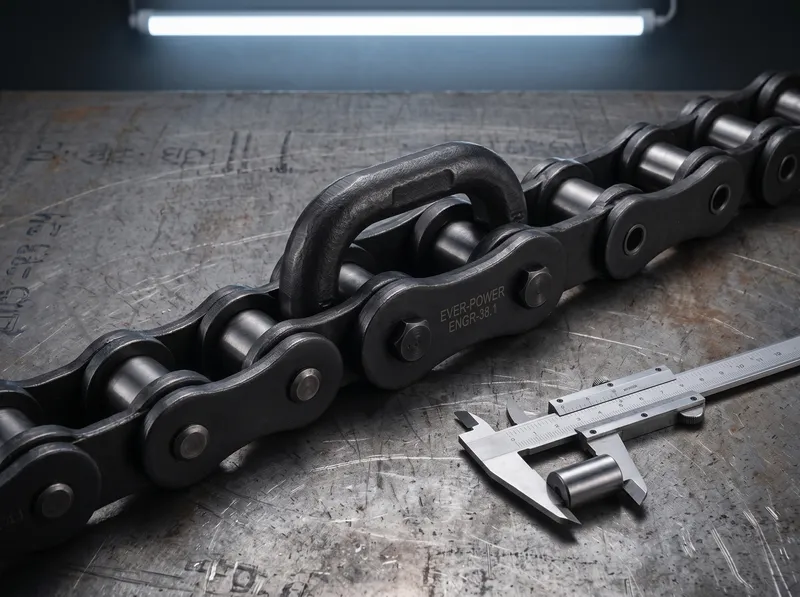
โซ่ทางวิศวกรรม
โซ่เหล็กเชื่อม เหล็กหล่อ และเหล็กดัด สำหรับลำเลียงปูนซีเมนต์ เหล็ก เหมืองแร่ และสารเคมี ทนทานใช้งานได้นาน มีระยะห่างระหว่างฟันโซ่สูงสุดถึง 300 มม.
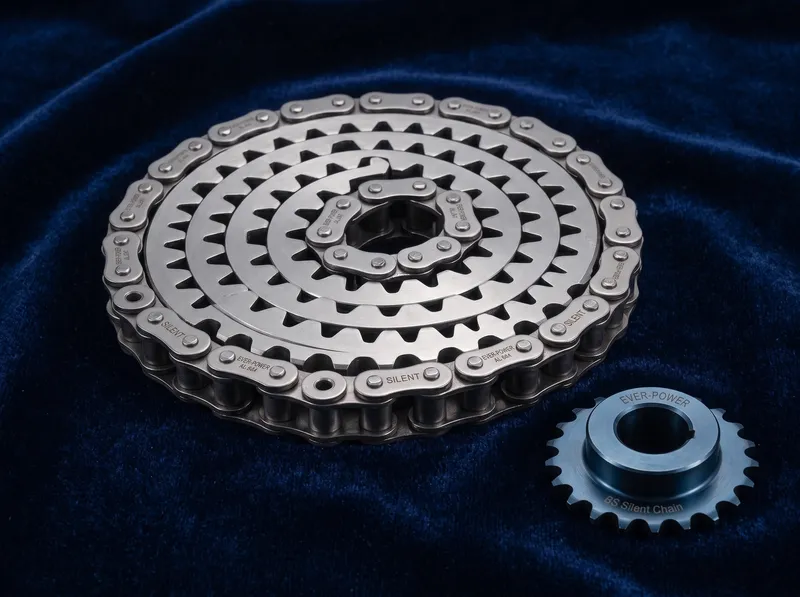
โซ่สแตนเลส
โซ่ลูกกลิ้ง SUS304 และ SUS316L สำหรับอุตสาหกรรมอาหาร ยา และเคมีภัณฑ์ ที่ต้องการความทนทานต่อการกัดกร่อนหรือการล้างทำความสะอาด
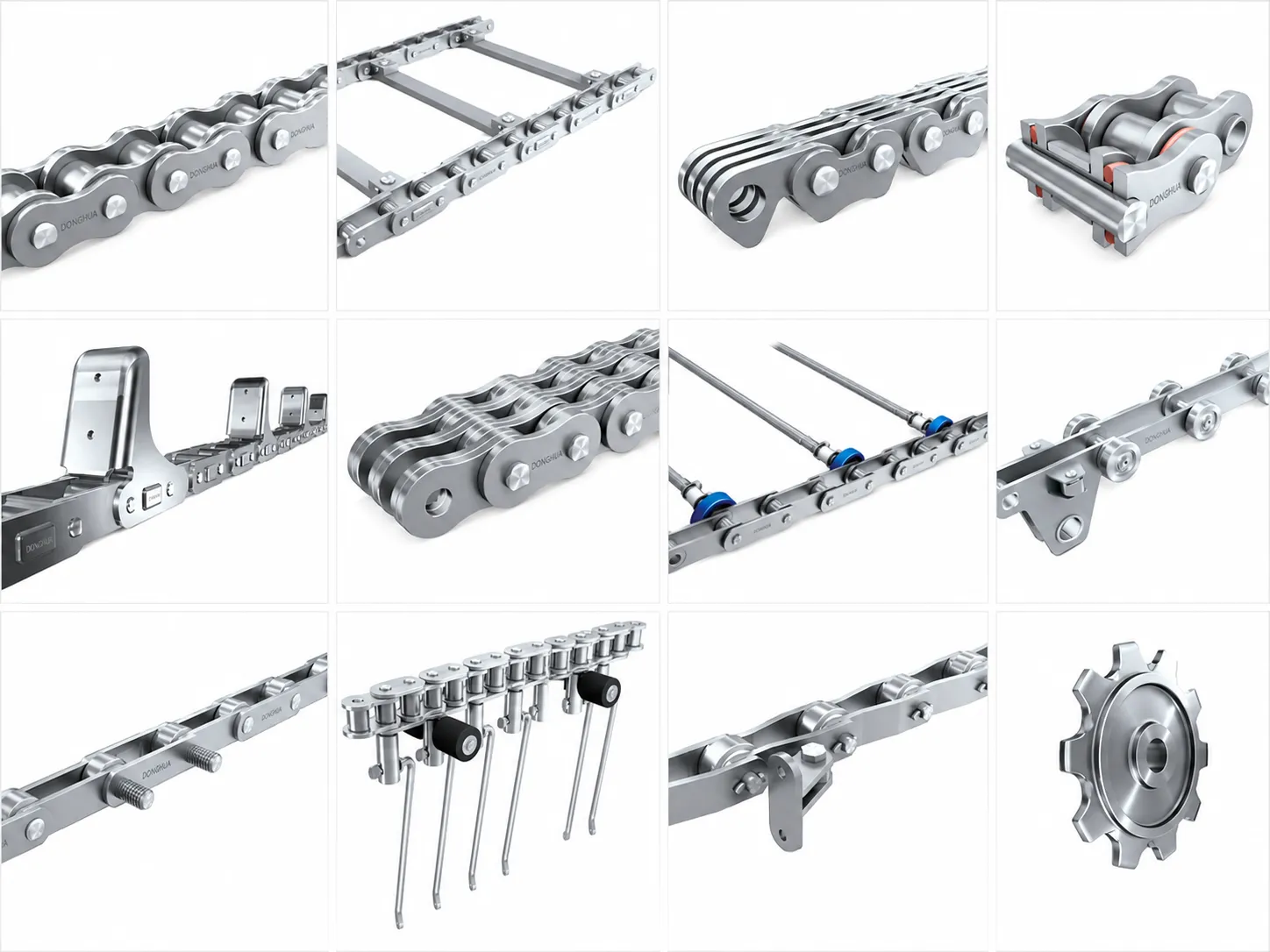
โซ่ลำเลียง
โซ่ลำเลียงแบบระยะห่างเล็กและใหญ่ โซ่แบบระยะห่างคู่ โซ่ต่อพ่วง และโซลูชันการลำเลียงเฉพาะอุตสาหกรรมสำหรับบรรจุภัณฑ์ อาหาร และการผลิต
คำถามที่พบบ่อย
สิ่งที่ลูกค้าของเราพูด
★★★★★
"เรามีรถบรรทุกโตโยต้าและลินเดจำนวน 120 คัน และได้เปลี่ยนมาใช้โซ่ Ever-Power รุ่น EP-BL646 และ EP-LH1034 จากเกาหลีเมื่อสามปีที่แล้ว ค่าการยืดตัวเฉลี่ยที่ 6,000 ชั่วโมงอยู่ที่ 1.81 ตันต่อ 3 ตัน ซึ่งต่ำกว่าเกณฑ์ที่เราตั้งไว้ที่ 31 ตันต่อ 3 ตัน เราจึงขยายระยะเวลาการเปลี่ยนโซ่จาก 4,000 ชั่วโมงเป็น 6,000 ชั่วโมง ซึ่งช่วยลดต้นทุนโซ่ได้อย่างมาก"
พีดับบลิว ผู้จัดการฝ่ายบำรุงรักษาฝูงยานพาหนะ
ออสเตรเลีย - โลจิสติกส์และการจัดจำหน่าย
★★★★★
"ระบบถ่วงน้ำหนักประตูแนวตั้งของเราใช้โซ่ EP-LH1234 กับรอกขนาด 400 มม. ที่รอบการทำงาน 1,200 รอบต่อวัน หลังจากใช้งานต่อเนื่องมา 18 เดือน ไม่พบรอยแตกร้าวของแผ่นหรือการหมุนของหมุดในโซ่ทั้ง 16 เส้นที่ใช้งานอยู่ เราได้ทำการหล่อลื่นครั้งแรกตามระยะเวลาที่แนะนำไว้ที่ 500 ชั่วโมง และโซ่ยังคงอยู่ในสภาพดีเยี่ยม"
หัวหน้างานฝ่ายบำรุงรักษา
เยอรมนี - โรงงานประกอบรถยนต์
★★★★★
"เราสั่งโซ่ EP-BL622 ที่ตัดตามความยาวที่ต้องการ พร้อมปลายเกลียวสำหรับยึดที่ตรงกับข้อกำหนดของ Hyster S7.0 โซ่ที่ได้รับมีขนาดถูกต้องตามข้อกำหนดของ OEM และมีใบรับรองการรับน้ำหนัก 100% รวมอยู่ในเอกสารการจัดส่ง ไม่มีปัญหาใดๆ ตลอด 12 เดือนที่ใช้งานหนักในท่าเรือ"
CA ผู้จัดการเวิร์กช็อป
เกาหลีใต้ - การดำเนินงานท่าเรือคอนเทนเนอร์
★★★★★
"โซ่ EP-LH2044 ที่ใช้ในระบบรอกของเครนเหนือศีรษะขนาด 20 ตันของเรา ได้เข้ามาแทนที่โซ่จากซัพพลายเออร์ในยุโรป ซึ่งมีต้นทุนต่อหน่วยต่ำกว่าอย่างมาก ใบรับรองวัสดุตรงตามข้อกำหนดการจัดซื้อของเรา และโซ่ผ่านการทดสอบการรับน้ำหนักที่ 300 กิโลนิวตันในการตรวจสอบขาเข้า โดยไม่มีการเคลื่อนตัวของข้อต่อใดๆ"
เอชเจ หัวหน้าวิศวกร
เนเธอร์แลนด์ - การผลิตโครงสร้างเหล็กขนาดใหญ่

ข้อมูลเพิ่มเติม
| บรรณาธิการ | ซีเอ็กซ์เอ็ม |
|---|