Pignoni in ghisa standard europeo | GG22-GG25 DIN 8187 Diametro grande
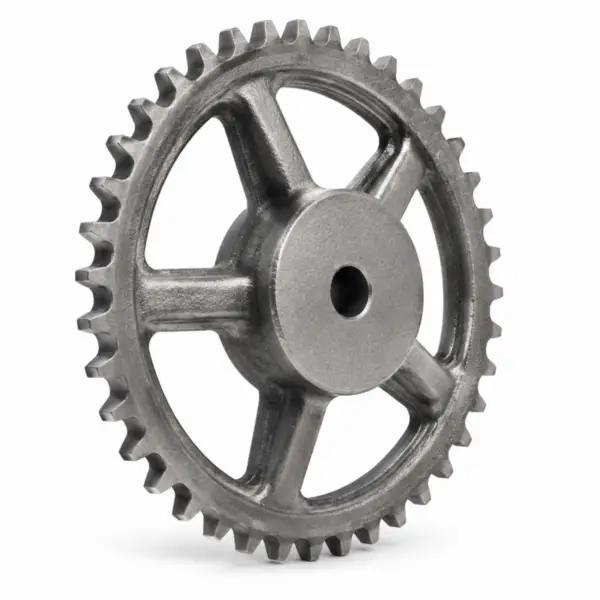
Pignoni in ghisa grigia GG22–GG25 conformi a DIN 8187 / ISO R606. Ampia gamma di diametri e numero di denti: da Z=30 a Z=150. Catene di dimensioni da 06B a 24B, da simplex a triplex. Fosfatazione superficiale. Ideali per trasmissioni industriali pesanti, cave, miniere e agricoltura. Vendita diretta dalla fabbrica Ever-Power in Corea.
06B – 24B
Gamma di dimensioni della catena
Z=30 – 150
Intervallo di conteggio dei denti
GG22 – GG25
Ghisa grigia di grado
ISO 9001
Qualità certificata
Pignoni in ghisa – Panoramica del prodotto
Le ruote dentate in ghisa Ever-Power, prodotte in Corea, coprono la parte superiore della gamma di ruote dentate standard europee per diametri elevati e numero di denti: dimensioni di catena da 06B a 24B, numero di denti da Z=30 a Z=150, in configurazioni simplex, duplex e triplex, conformi alle norme DIN 8187 / ISO R606. Rappresentano la scelta ideale per azionamenti industriali a bassa velocità e carichi elevati, dove sono richiesti diametri primitivi elevati e dove le condizioni operative rendono le ruote dentate in acciaio al carbonio inadatte o antieconomiche.
Il materiale è ghisa grigia di grado GG22–GG25 (EN-GJL-220 a EN-GJL-250). La ghisa grigia presenta una microstruttura lamellare di grafite che le conferisce proprietà molto diverse dall'acciaio al carbonio: le lamelle di grafite agiscono come un lubrificante solido interno sulla superficie di contatto del dente, fornendo un'intrinseca resistenza all'usura senza necessità di indurimento esterno. Ciò è particolarmente vantaggioso in ambienti polverosi, abrasivi o scarsamente lubrificati, dove il fianco di un dente in acciaio al carbonio rettificato verrebbe rapidamente abraso, mentre la superficie in ghisa, leggermente porosa e ricca di grafite, trattiene un film lubrificante e resiste alla microabrasione molto meglio.
Tutte le ruote dentate in ghisa vengono fosfatate superficialmente dopo la fusione e la lavorazione. La fosfatazione converte lo strato superficiale esterno in fosfato di ferro, un rivestimento di conversione fortemente aderente e in grado di trattenere l'olio, che offre un certo grado di protezione dalla corrosione e di ritenzione del lubrificante sui fianchi dei denti e sulle superfici interne. Non introduce ingombranti strati (in genere di spessore compreso tra 1 e 5 µm) e non richiede alcuna correzione delle tolleranze interne dopo il trattamento.
Le ruote dentate in ghisa hanno foro standard — il foro viene lavorato al diametro dell'albero su ordinazione. Tutte le misure fino a 12B sono disponibili anche dal nostro foro conico gamma europea in ghisa (suffisso -CI). Per l'equivalente in acciaio al carbonio con numero di denti ridotto che copre Z=8 a Z=57, vedere il nostro pignoni con foro standard europeo. Abbinare con Catena a rulli standard europea secondo la norma DIN 8187 per una trasmissione abbinata, direttamente dalla fabbrica.
⚙️ La ghisa è la scelta giusta quando:
- Il diametro della ruota dentata supera i 200 mm: la fusione è più economica della lavorazione da barra piena.
- L'ambiente è abrasivo, polveroso o scarsamente lubrificato.
- La trasmissione è a bassa velocità (<50 giri/minuto alla ruota dentata) e fortemente carica.
- È necessario smorzare le vibrazioni: la ghisa grigia assorbe gli urti meglio dell'acciaio.
- Il costo è il fattore determinante in un viaggio lento e non critico
Perché la ghisa grigia è adatta ad ambienti abrasivi
Il vantaggio prestazionale della ghisa GG25 rispetto all'acciaio al carbonio in applicazioni con materiali sporchi, asciutti o abrasivi è una conseguenza della sua microstruttura, non della sua durezza. Comprendere il meccanismo alla base di questo fenomeno aiuta a selezionare il materiale più adatto per ogni applicazione.
Lamelle di grafite: lubrificazione integrata
Nella ghisa grigia, il carbonio precipita sotto forma di grafite lamellare (grafite a scaglie) distribuita uniformemente nella matrice di ferro. Sulla superficie di contatto del dente, queste scaglie di grafite vengono esposte con l'usura della superficie e agiscono come sacche di lubrificante solido, rilasciando grafite nella zona di contatto sotto pressione. Questa capacità autolubrificante è la proprietà chiave che rende la ghisa superiore all'acciaio al carbonio in trasmissioni scarsamente lubrificate o contaminate.
Resistenza alla microabrasione
Il fianco di un dente in acciaio al carbonio lucidato non offre resistenza alle particelle abrasive fini: polvere di quarzo, graniglia di cemento, pula di grano e polvere di calcare agiscono tutti come microabrasivi che incidono rapidamente la superficie liscia. La superficie interrotta da grafite del GG25 offre un certo grado di resistenza a questo meccanismo: le particelle abrasive tendono a incastrarsi nelle cavità di grafite piuttosto che incidere un solco continuo sulla superficie del dente.
Smorzamento delle vibrazioni
La ghisa grigia ha una capacità di smorzamento specifica significativamente superiore rispetto all'acciaio al carbonio, in genere 20-25 volte maggiore. Le scaglie di grafite agiscono come inneschi interni di cricche che assorbono l'energia vibrazionale attraverso la propagazione di microfratture lungo l'interfaccia grafite-matrice. Ciò significa che una ruota dentata in ghisa su una trasmissione soggetta a pulsazioni o carichi d'urto funziona in modo sensibilmente più silenzioso rispetto a una equivalente in acciaio alla stessa velocità e trasmette meno vibrazioni all'albero e ai cuscinetti.
Costi inferiori per diametri maggiori
Per pignoni con diametro superiore a circa 200 mm, la produzione del grezzo da fusione è significativamente più economica rispetto alla lavorazione da barra piena o forgiatura. Un grezzo per pignone in ghisa di 500 mm di diametro richiede una frazione del costo del materiale e del tempo di lavorazione di un grezzo equivalente in barra piena C45. Con Z=95 in 16B (diametro della punta di 780 mm), la ghisa è l'unica soluzione produttiva pratica ed economica per quantità standard.
⚠️
Limitazione di velocità: La ghisa grigia è fragile: ha una duttilità praticamente nulla e si frattura anziché deformarsi sotto impatto. Le ruote dentate in ghisa non devono essere utilizzate su trasmissioni con velocità superiori a 50 giri/minuto o su trasmissioni soggette a forti carichi d'urto (ad esempio, all'avvio di un frantoio). Per applicazioni ad alta velocità o con carichi d'urto, utilizzare la gamma in acciaio al carbonio. La ghisa è un materiale adatto per basse velocità, carichi costanti e ambienti abrasivi.
Legenda della colonna: Z = numero di denti | de = diametro punta (mm) | dp = diametro cerchio primitivo (mm) | dm = diametro mozzo (mm) | D1/D2/D3 = diametro foro standard massimo per simplex/duplex/triplex (mm) | A = larghezza mozzo (mm) | Materiale: ghisa grigia GG22–GG25, fosfatata in superficie
Specifiche del pignone in ghisa
06B-1/2/3 | Passo 9,525 mm | Diametro rullo 6,35 mm
| Z | de (mm) | dp (mm) | dm (mm) | D1 Simplex (mm) | D2 Duplex (mm) | D3 Triplex (mm) | A (mm) |
|---|---|---|---|---|---|---|---|
| 38 | 119.5 | 115.35 | 70 | 20 | 20 | 24 | 32 / 40 / 56 |
| 45 | 140.7 | 136.55 | 70 | 20 | 20 | 24 | 32 / 40 / 56 |
| 57 | 176.9 | 172.91 | 70 | 20 | 20 | 24 | 32 / 40 / 56 |
| 76 | 234.9 | 230.49 | 70 | 20 | 20 | 24 | 32 / 40 / 56 |
| 95 | 292.5 | 288.08 | 80 | 20 | 20 | 24 | 40 / 45 / 56 |
| 114 | 349.6 | 345.68 | 80 | 20 | 20 | 24 | 40 / 45 / 56 |
| 150 | 459.2 | 454.82 | 90 | 24 | 24 | 24 | 45 / 50 / 60 |
16B-1/2/3 | Passo 25,40 mm | Diametro rullo 15,88 mm
| Z | de (mm) | dp (mm) | dm (mm) | D1 Simplex (mm) | D2 Duplex (mm) | D3 Triplex (mm) | A (mm) |
|---|---|---|---|---|---|---|---|
| 30 | 254.0 | 243.00 | 110 | 30 | 40 | 40 | 65 / 75 / 90 |
| 38 | 320.0 | 307.59 | 110 | 30 | 40 | 45 | 65 / 75 / 100 |
| 57 | 474.0 | 461.08 | 125 | 35 | 40 | 45 | 70 / 90 / 100 |
| 76 | 627.0 | 614.65 | 140 | 35 | 40 | 45 | 80 / 95 / 110 |
| 95 | 781.0 | 768.22 | 140 | 40 | 45 | 50 | 80 / 95 / 110 |
| 114 | 933.0 | 921.81 | 140 | 40 | 45 | 50 | 80 / 95 / 115 |
24B-1/2/3 | Passo 38,10 mm | Diametro rullo 25,40 mm
| Z | de (mm) | dp (mm) | dm (mm) | D1 Simplex (mm) | D2 Duplex (mm) | D3 Triplex (mm) | A (mm) |
|---|---|---|---|---|---|---|---|
| 30 | 379.5 | 364.50 | 130 | 40 | 40 | 60 | 85 / 95 / 150 |
| 38 | 476.2 | 461.39 | 140 | 45 | 45 | 60 | 90 / 100 / 150 |
| 57 | 706.5 | 691.63 | 160 | 45 | 55 | 70 | 100 / 110 / 150 |
| 76 | 936.9 | 921.98 | 170 | 45 | 55 | 70 | 100 / 120 / 150 |
Tabelle 08B, 10B, 12B e 20B disponibili: contattateci. Conteggi dei denti non a catalogo e configurazioni del mozzo personalizzate lavorate su disegno per ordini di produzione OEM. Il foro massimo D1 è per il mozzo simplex; i fori massimi per duplex e triplex sono inferiori a causa del mozzo più stretto. Specificate il foro richiesto, la dimensione della catena, il numero di denti e il tipo di trefolo quando richiedete un preventivo.

Applicazioni
Cava, miniera e cementificio
Azionamenti a bassa velocità per trasportatori primari in impianti di frantumazione di pietre, cave di calcare e movimentazione di materie prime per cemento. In questi ambienti, le ruote dentate in ghisa di grande diametro su catene 16B e 24B sono standard per gli azionamenti degli elevatori a tazze e delle teste dei trasportatori a nastro. La combinazione di resistenza all'abrasione, smorzamento delle vibrazioni e basso costo a grandi diametri rende la ghisa il materiale di elezione in queste applicazioni. Vedi il documento completo gamma di pignoni per altre opzioni di guida.
Gestione dei cereali e trasformazione dei prodotti agricoli
Le ruote dentate in ghisa di grande diametro sono ampiamente utilizzate nei sistemi di azionamento a gambe degli elevatori di grano, nelle catene delle pulitrici per cereali e nei sistemi di trasporto dei mangimifici. La natura abrasiva della pula, della polvere e della sabbia presenti nel grano rende la superficie grafitata della ghisa molto più resistente all'usura rispetto all'acciaio al carbonio lucidato, soprattutto nelle condizioni di scarsa lubrificazione tipiche di questi sistemi di azionamento. Le specifiche più comuni in questo settore sono Z=57 e Z=95 nelle classi 10B e 12B.
Attrezzature per la lavorazione del legno e la silvicoltura
Catene per tronchi in segheria, nastri trasportatori per scortecciatrici e azionamenti per trasportatori di trucioli in ambienti con segatura e trucioli di corteccia. La segatura è un abrasivo fine che distrugge rapidamente i fianchi dei denti in acciaio lucidato: la superficie autolubrificante in grafite della ghisa resiste bene a questo processo. Lo smorzamento delle vibrazioni della ghisa è utile anche negli azionamenti delle segherie, dove la trasmissione a catena trasmette la coppia pulsante di una sega circolare o di una sega a nastro.
Catena abbinata e prodotti correlati
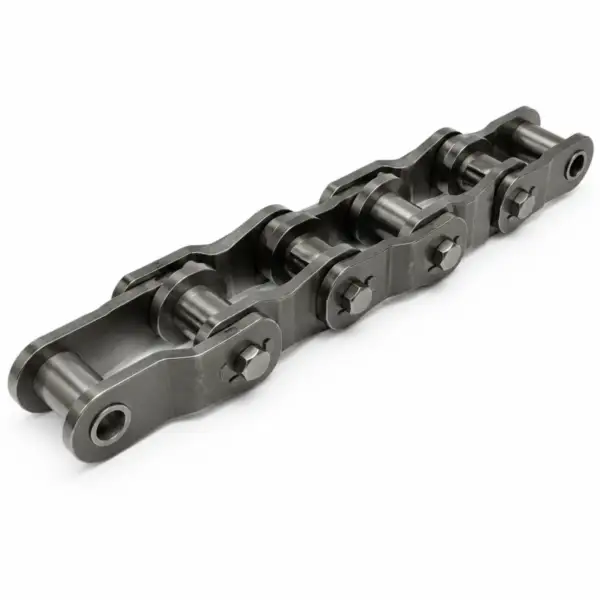
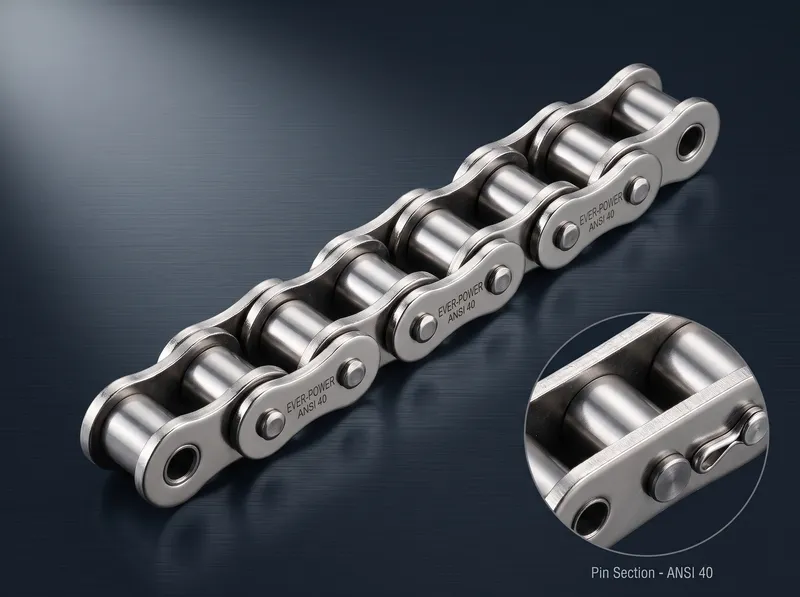
Catene di trasmissione
Catene a rulli di precisione a passo corto serie A e B per la trasmissione di potenza. Passo da 9.525 mm a 76,2 mm, da simplex a triplex.
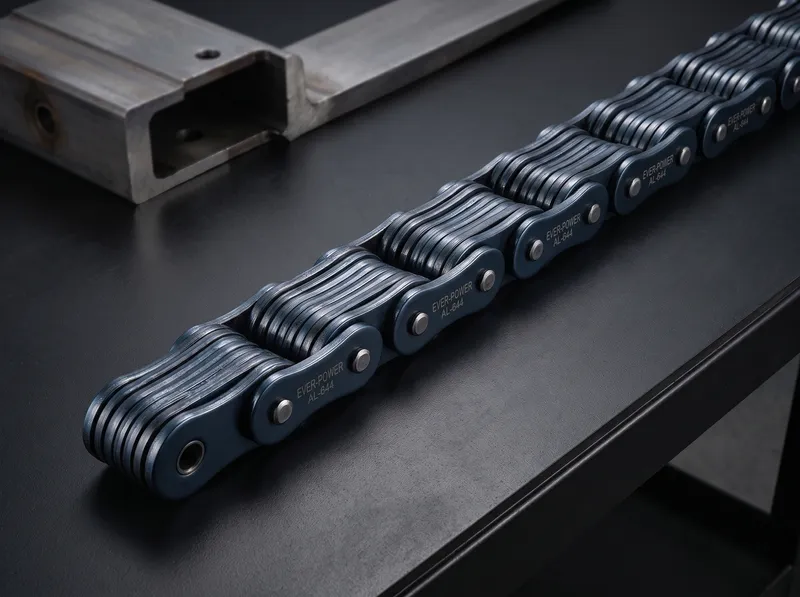
catene di foglie
Catene di sollevamento serie BL e LH per montanti di carrelli elevatori e meccanismi di sollevamento industriali. Carichi di rottura da 11 kN a oltre 1.600 kN.
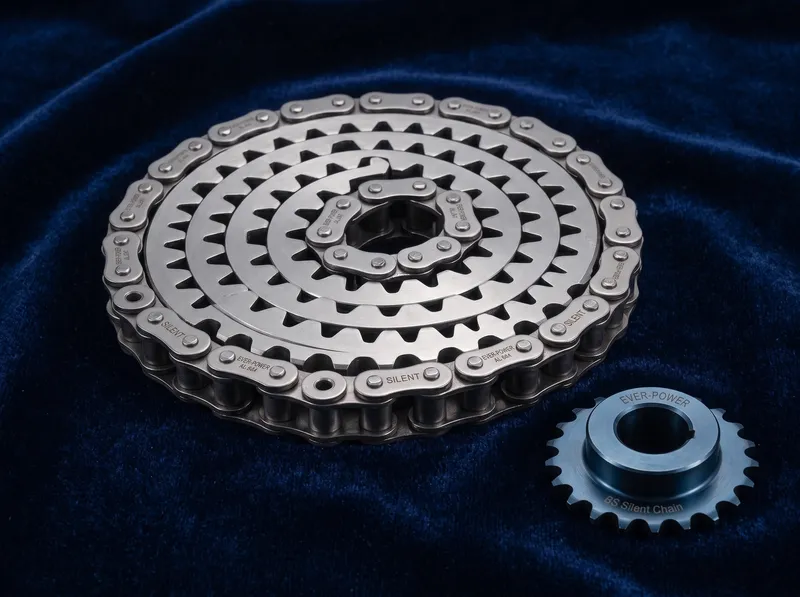
Catene in acciaio inossidabile
Catene a rulli in acciaio inox SUS304 e SUS316L per ambienti di lavaggio tipici dell'industria alimentare, farmaceutica e chimica.
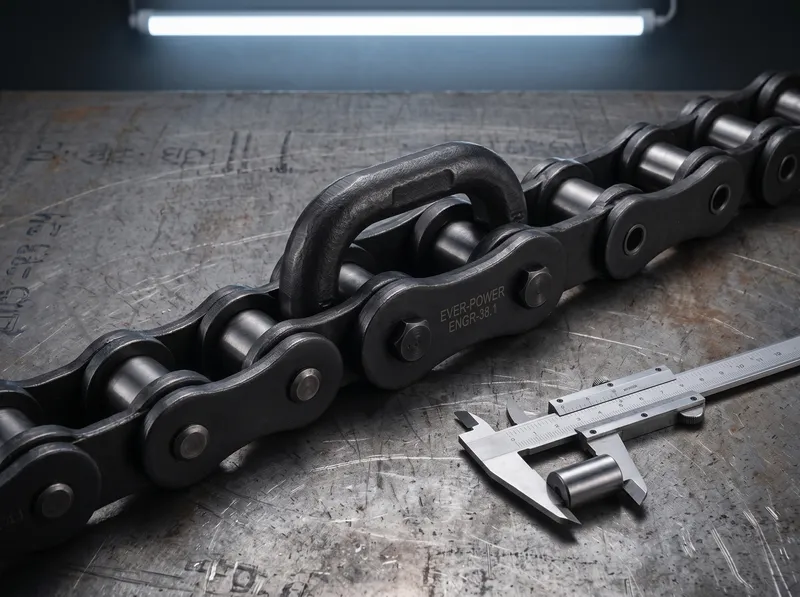
Catene ingegneristiche
Catene in acciaio saldato, fuso e forgiato per il trasporto pesante in impianti di cemento, acciaierie, miniere e stabilimenti chimici.
Domande frequenti
Cosa dicono i nostri clienti
★★★★★
"Utilizziamo catene 12B-1 su pignoni in ghisa di grandi dimensioni Z=76 per i nostri sistemi di azionamento degli elevatori di calcare. I precedenti pignoni in acciaio al carbonio di queste dimensioni erano eccessivamente costosi e si usuravano in 8 mesi nelle nostre condizioni polverose. I pignoni in ghisa Ever-Power GG25 coreani, delle stesse dimensioni, sono in funzione da 22 mesi e il profilo dei denti è ancora entro i limiti di tolleranza. La superficie fosfatata trattiene l'olio della catena molto meglio dell'acciaio lavorato."
GB, Ingegnere di manutenzione
Italia – Impianto di lavorazione del calcare
★★★★★
"Avevamo bisogno di pignoni duplex in ghisa 16B-2 con Z=95 per un azionamento di un elevatore a tazze a bassa velocità, con diametro della punta di 933 mm. Nessun altro fornitore era in grado di fornire pezzi a magazzino entro 8 settimane. Ever-Power, azienda coreana, li ha prodotti e spediti in 4 settimane. La qualità della fusione e la tolleranza del foro erano corrette. Da allora abbiamo stipulato un ordine permanente per la fornitura annuale."
DF, Responsabile Acquisti
Polonia – Produttore di elevatori per cereali
★★★★★
"La nostra segheria utilizza catene 10B-1 su pignoni in ghisa Z=57 su tutto il sistema di trasporto dei tronchi e della catena verde. La segatura qui è estremamente abrasiva. Dopo tre anni con i pignoni Ever-Power GG25 coreani, non abbiamo riscontrato alcun guasto al profilo dei denti. In precedenza, i pignoni in acciaio dovevano essere sostituiti ogni 18 mesi. Anche la riduzione delle vibrazioni è stata notevole: la trasmissione funziona in modo decisamente più silenzioso."
HL, Direttore di stabilimento
Svezia – Segheria

Informazioni aggiuntive
| Redattore | Cxm |
|---|
Prodotti correlati
-
Ruote dentate e ruote a disco di serie, standard asiatico
-
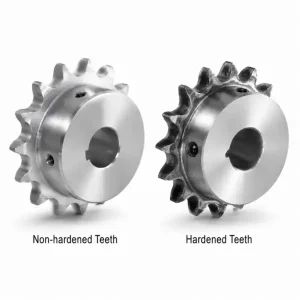
Pignoni con foro finito standard asiatico
-
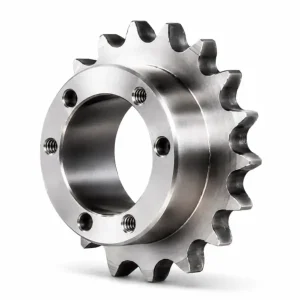
Pignoni con boccole QD American Standard
-
Pignoni a doppio passo American Standard
-
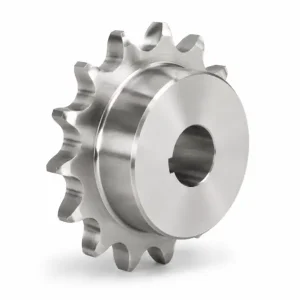
Pignoni in acciaio per foro standard americano
-
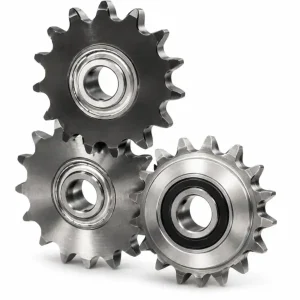
Pignoni folli con cuscinetti a sfera, standard europeo | Pignoni tenditori a ruota libera DIN 8187
-
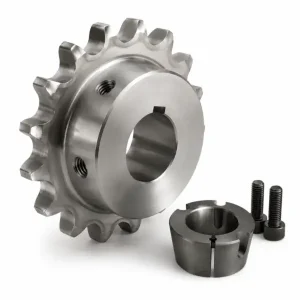
Pignoni con foro conico standard europeo | Blocco conico DIN 8187 ISO R606
-
Pignoni con foro finito, standard europeo | Preforati DIN 8187, pronti per il montaggio