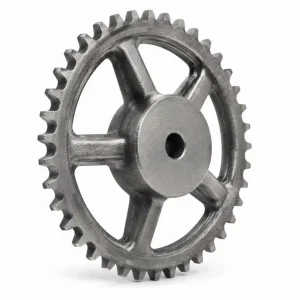
Pignoni a doppio passo American Standard
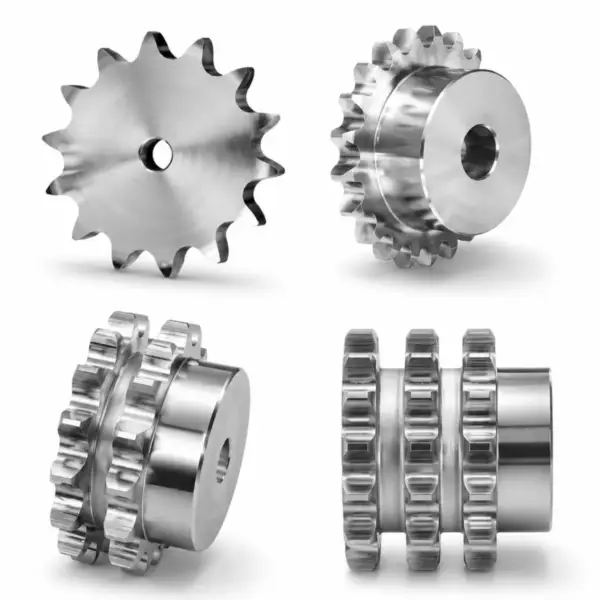
Le ruote dentate a doppio passo sono progettate per l'uso con catene a rulli a doppio passo standard americane conformi alla norma ANSI B29.100, ovvero catene con passo doppio rispetto alla catena standard ANSI equivalente, ma con lo stesso diametro dei rulli e la stessa larghezza interna. La denominazione della catena riflette questa caratteristica: "2040" indica un doppio passo di #40 (passo di ½" × 2 = 1"), mentre "2060" indica un doppio passo di #60 (passo di ¾" × 2 = 1½"). Le catene a doppio passo scorrono su rulli alternati: ogni secondo perno è dotato di un rullo, mentre i perni intermedi sono lisci. Le ruote dentate a doppio passo presentano una spaziatura dei denti che corrisponde a questo schema di rulli alternati.
2040 – 2160
Gamma di numeri di catena
1″ – 3″
Intervallo di tono
Z=6 – 30
Intervallo di conteggio dei denti
ANSI B29.100
Standard
Pignoni a doppio passo — American Standard
La giustificazione commerciale per le catene e le ruote dentate a doppio passo è semplice: a parità di velocità del trasportatore e di forza di trazione, le catene a doppio passo costano significativamente meno al metro rispetto alle catene a passo standard, e il maggiore diametro primitivo a parità di numero di denti consente di produrre ruote dentate di diametro maggiore a costi inferiori. Per un trasportatore a bassa velocità e carico leggero, con una portata di 500 kg/m a 0,3 m/s, la catena 2040 con ruota dentata a 12 denti rappresenta un'alternativa economicamente vantaggiosa rispetto alla catena #40 con ruota dentata a 24 denti: il diametro primitivo e la capacità di trazione sono equivalenti, ma la catena e la ruota dentata costano meno.
Le ruote dentate a doppio passo sono disponibili in due forme di denti: Tipo A (dente standard) — ogni dente si impegna in un rullo; e Tipo B (dente alternato / passo esteso) — solo i denti alternati sono a tutta altezza, mentre i denti intermedi sono ridotti per non interferire con i perni lisci della catena a doppio passo. I pignoni di tipo B producono un innesto più fluido a velocità più elevate. Il numero di catena, il numero di denti e il tipo devono corrispondere esattamente: un pignone a doppio passo di tipo A non funzionerà in modo fluido con una catena a doppio passo a velocità superiori a circa 50 giri/min.
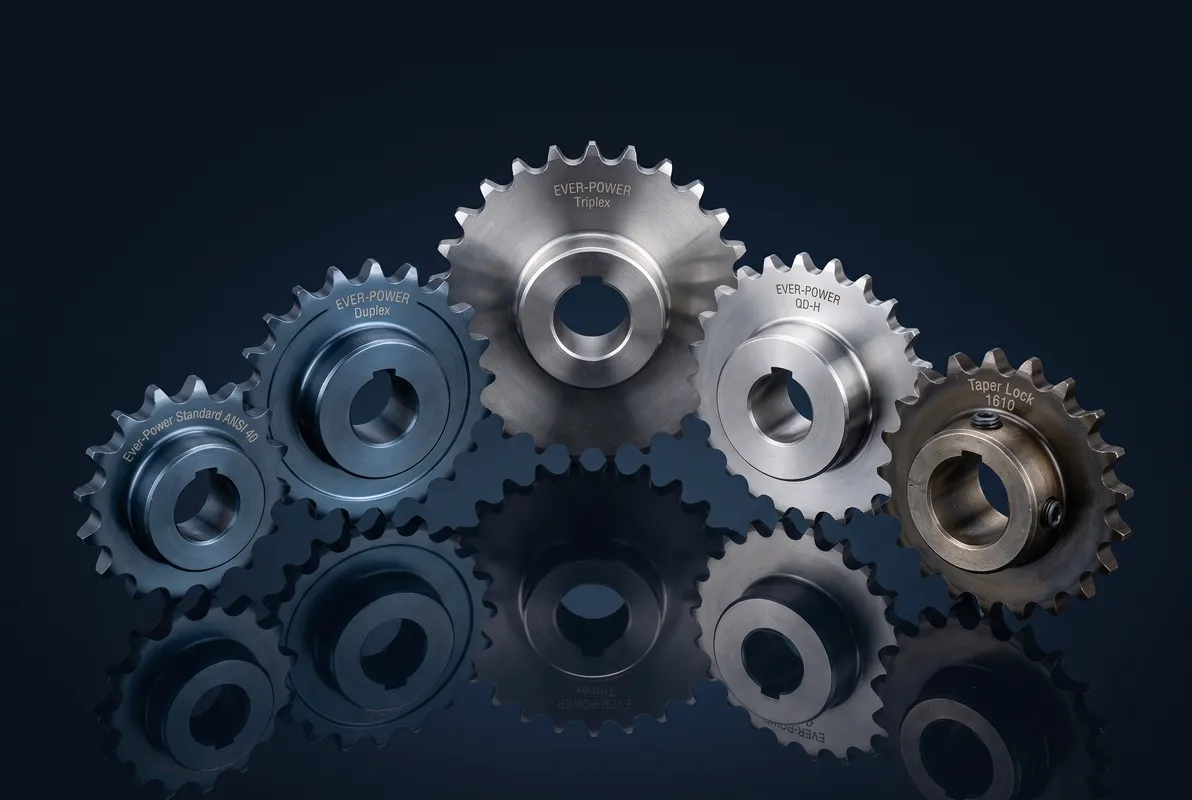
🔗 Decodificatore numerico a catena a doppio passo
| Numero di catena | Passo (in) | Diametro del rullo (pollici) | = Base ANSI |
|---|---|---|---|
| 2040 | 1″ | 0,312″ | rullo #40 |
| 2050 | 1-1/4″ | 0,400″ | rullo #50 |
| 2060 | 1-1/2″ | 0,469″ | rullo #60 |
| 2080 | 2 pollici | 0,625″ | rullo #80 |
| 2100 | 2-1/2″ | 0,750″ | rullo #100 |
| 2120 | 3 pollici | 0,875″ | rullo #120 |
Pignoni a doppio passo di tipo A o di tipo B: quale ti serve?
La scelta della forma dei denti per le ruote dentate a doppio passo dipende dalla velocità della catena e dalla fluidità di innesto richiesta. L'utilizzo del tipo sbagliato provoca un'usura accelerata della catena e della ruota dentata ed è un errore di installazione molto comune.
Tipo A — Dente standard (ogni dente si impegna)
Velocità massima: ≤50 giri/minuto alla ruota dentata
Ogni dente è a tutta altezza. Ad ogni giro, i denti alternati si innestano sui rulli e i denti tra di essi passano attraverso le fessure lisce dei perni nella catena. A basse velocità (inferiori a 50 giri/minuto), l'impatto dovuto all'innesto dei denti è trascurabile. A velocità più elevate, l'effetto poligonale sui denti alternati provoca una vibrazione percettibile: utilizzare il tipo B.
✔ Trasportatori a gravità, trasportatori di pallet a bassa velocità, azionamenti per coclee per cereali, elevatori a tazze a catena con velocità inferiore a 50 giri/minuto
Tipo B — Dente alternato (dente a passo esteso)
Consigliato: 50–300 giri/minuto al pignone
I denti alternati hanno l'altezza completa (ingranamento con i rulli); i denti intermedi sono ridotti alla sola altezza di gioco del perno liscio. Ciò significa che la catena si innesta solo sui denti alternati: in pratica, il pignone funziona come se avesse la metà dei denti dal punto di vista della frequenza di innesto. Questo elimina l'effetto poligonale causato dall'innesto alternato dei denti e produce un funzionamento fluido e silenzioso fino a velocità moderate.
✔ Trasportatori a lamelle, lavaggio pezzi, trasportatori per bottiglie, trasportatori per assemblaggio leggero: qualsiasi azionamento a doppio passo superiore a 50 giri/minuto
Critico: Una ruota dentata di tipo A su una trasmissione a catena a doppio passo che opera a velocità superiori a 50 giri/minuto genererà vibrazioni significative e accelererà l'usura dei rulli della catena nel giro di poche settimane. Specificare sempre il tipo B per le applicazioni su nastri trasportatori; specificare il tipo A solo per applicazioni a velocità ultra-basse confermate, inferiori a 50 giri/minuto. In caso di dubbio, specificare il tipo B.
Chiave: Z = numero di denti | de = diametro della punta (pollici) | dp = diametro del cerchio primitivo (pollici) | Foro max = foro massimo di serie (pollici) | H = larghezza del mozzo (pollici) | Tipo: A = tutti i denti a tutta altezza, B = forma del dente alternata
Specifiche della ruota dentata a doppio passo
2040 | Passo 1″ / 25,40 mm | Diametro rullo 0,312″ / 7,94 mm
| Z | Tipo | di (in) | dp (pollici) | Diametro massimo del foro (pollici) | H (pollici) |
|---|---|---|---|---|---|
| 6 | UN | 2.10 | 1.934 | ¾ | ⅞ |
| 8 | UN | 2.72 | 2.563 | ¾ | ⅞ |
| 10 | A / B | 3.35 | 3.196 | 1 | ⅞ |
| 12 | A / B | 3.97 | 3.830 | 1¼ | ⅞ |
| 15 | B | 4.93 | 4.775 | 1½ | ⅞ |
| 18 | B | 5.90 | 5.727 | 1¾ | ⅞ |
| 25 | B | 8.10 | 7.959 | 2 | ⅞ |
| 30 | B | 9.67 | 9.549 | 2 | ⅞ |
2060 | Passo 1½″ / 38,10 mm | Diametro rullo 0,469″ / 11,91 mm
| Z | Tipo | di (in) | dp (pollici) | Diametro massimo del foro (pollici) | H (pollici) |
|---|---|---|---|---|---|
| 6 | UN | 3.12 | 2.893 | ¾ | 1¼ |
| 8 | UN | 4.06 | 3.834 | 1 | 1¼ |
| 12 | A / B | 5.95 | 5.745 | 1½ | 1¼ |
| 18 | B | 8.86 | 8.590 | 2¼ | 1¼ |
| 25 | B | 12.15 | 11.938 | 2½ | 1¼ |
2080 | Passo 2″ / 50,80 mm | Diametro rullo 0,625″ / 15,88 mm
| Z | Tipo | di (in) | dp (pollici) | Diametro massimo del foro (pollici) | H (pollici) |
|---|---|---|---|---|---|
| 6 | UN | 4.20 | 3.868 | 1 | 1½ |
| 8 | UN | 5.45 | 5.125 | 1¼ | 1½ |
| 12 | A / B | 7.95 | 7.659 | 2 | 1½ |
| 18 | B | 11.80 | 11.454 | 3 | 1½ |
| 25 | B | 16.15 | 15.918 | 3½ | 1½ |
Disponibili anche i modelli 2050, 2100, 2120 e 2160: contattateci. Specificate il numero di catena, il numero di denti, il tipo (A o B) e il diametro del foro in pollici. Tutti i fori sono standard, ma vengono lavorati su ordinazione in base al diametro del vostro albero.

Catena abbinata e prodotti correlati
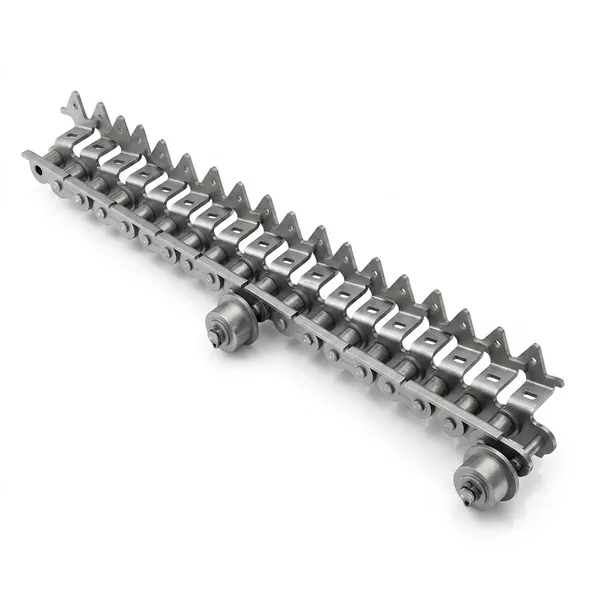
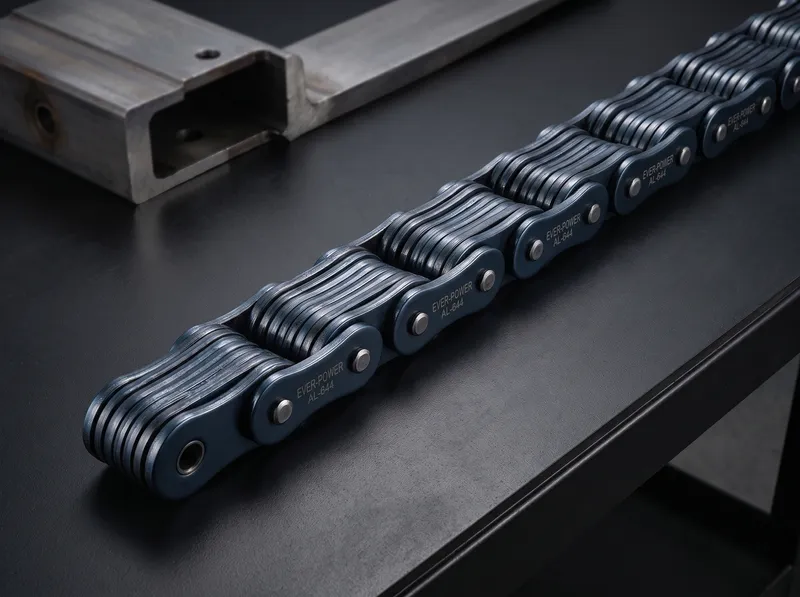
catene di foglie
Catene a maglie piatte serie BL e LH per montanti di carrelli elevatori, azionamenti per porte industriali e meccanismi di sollevamento. Portate di trazione da 11 kN a oltre 1.600 kN.
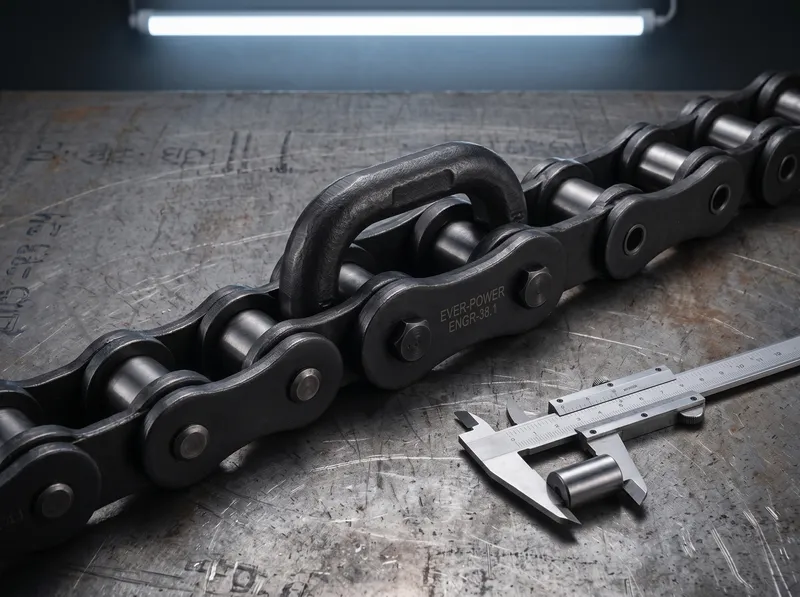
Catene ingegneristiche
Catene in acciaio saldato, ghisa e forgiate per il trasporto industriale pesante in acciaierie, cementifici, miniere e impianti chimici.
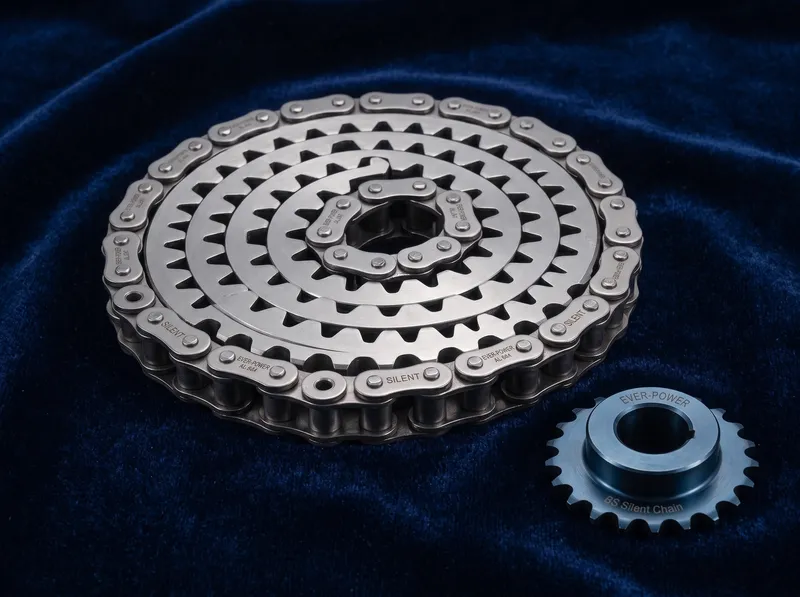
Catene in acciaio inossidabile
Catene a rulli in acciaio inox SUS304 e SUS316L per ambienti alimentari, farmaceutici e chimici. Adatte a lavaggi frequenti, temperature elevate e agenti corrosivi.
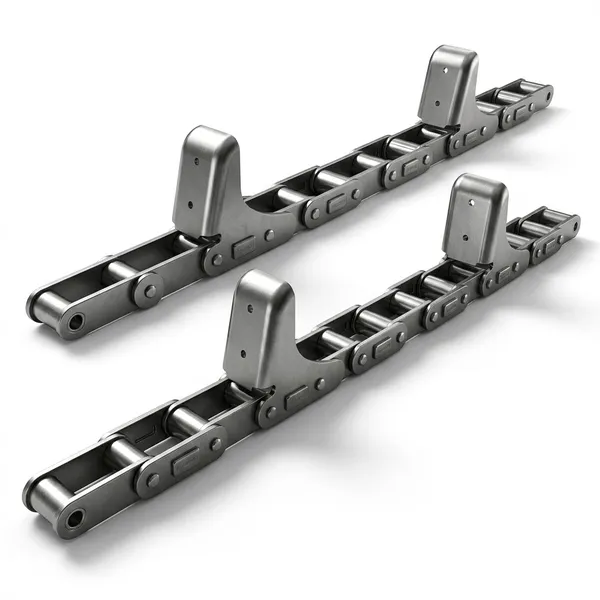
Filiere agricole
Serie CA, CC e catene per mais per mietitrebbie, raccoglitrici di cotone, presse e spandiconcime. Conformi agli standard ISO 487 / ASME B29.100.

Informazioni aggiuntive
| Redattore | Cxm |
|---|
Prodotti correlati
-
Pignoni doppi per due catene singole, standard asiatico
-
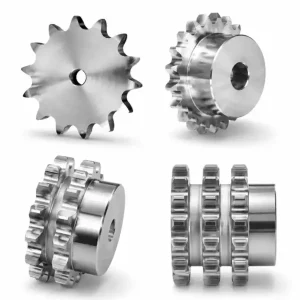
Ruote dentate e ruote a disco di serie, standard asiatico
-
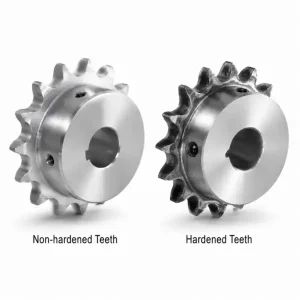
Pignoni con foro finito standard asiatico
-
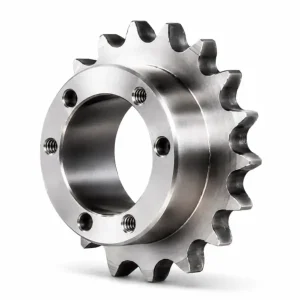
Pignoni con boccole QD American Standard
-
Pignoni doppi per due catene singole American Standard
-
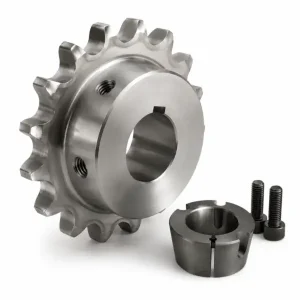
Pignoni con foro conico standard europeo | Blocco conico DIN 8187 ISO R606
-
Pignoni in ghisa standard europeo | GG22-GG25 DIN 8187 Diametro grande
-
Ruote dentate e ruote a dischi conformi agli standard europei | Simplex, Duplex, Triplex DIN 8187