Engineering Scope
Diagnostic Snapshot: Chain-drive noise after sprocket replacement
Treat new noise as evidence that the replacement changed meshing, alignment, runout, tension, or chain condition; compare the drive with the pre-replacement geometry instead of waiting for it to wear in. This article concentrates on chain drive noise, new sprocket noise, pitch mismatch, sprocket runout, chain tension, and roller chain lubrication as field-verifiable decision inputs.
For chain-drive noise after sprocket replacement, keep chain engagement, shaft mounting, operating duty, and maintainability in the same decision record; use the current drawing whenever an exact limit is model-specific.
Field Reference
- Chain/tooth interface
- Confirm chain drive noise, new sprocket noise, and the mating chain dimensions before changing hardware.
- Shaft/hub interface
- Record pitch mismatch and mounting details that control concentricity, axial position, or load transfer.
- Operating duty
- Document speed, load, shock, starts/reversals, contamination, washdown, and maintenance access relevant to chain-drive noise after sprocket replacement.
- Verification record
- For chain-drive noise after sprocket replacement, keep measured values, nominal drawing values, wear observations, and the final replacement requirement distinct in the service record.
Decision Principle
Release chain-drive noise after sprocket replacement from measured interfaces, not appearance.
For chain-drive noise after sprocket replacement, check the chain interface, shaft connection, duty, and installed geometry as separate acceptance items, then reconcile them in the final specification.
1. Immediate noise suggests an installation variable
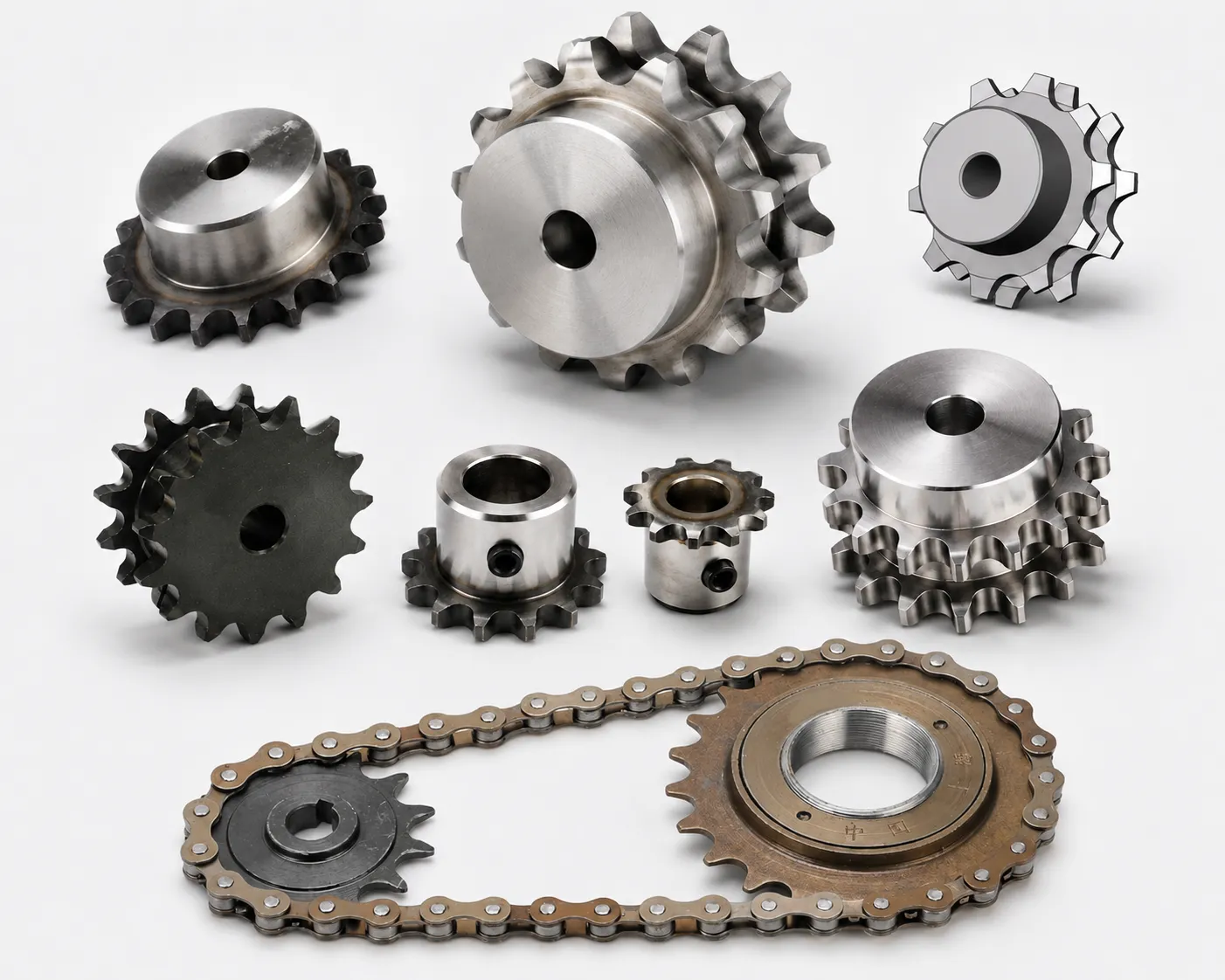
If the drive was quiet before the sprocket change, first check part identity, axial position, runout, hub seating, chain slack, and guard contact rather than assuming normal break-in. Treat immediate noise suggests an installation variable as a pass/fail interface: document chain drive noise, inspect the mating component, and use pitch mismatch to confirm the final operating fit. For component context, review roller chain sprocket replacement when the linked product family is relevant to the same chain-drive interface.
For commissioning, define how immediate noise suggests an installation variable will be checked after installation: chain seating, runout, shaft clearance, tooth-side contact, rpm, or loaded inspection as applicable.
2. Pitch or series mismatch produces harsh engagement
The chain can contact tooth tips or wrong flank locations when roller diameter, pitch, width, or standard is incorrect. Slow manual rotation often reveals the seating problem. A useful field note for chain-drive noise after sprocket replacement pairs new sprocket noise with sprocket runout. That keeps the decision tied to the actual chain drive rather than a visual match.
Verification for chain-drive noise after sprocket replacement: compare the field condition with nominal data and treat any difference that changes roller seating, shaft support, or service access as a release criterion.
3. Runout creates once-per-revolution noise
A radially eccentric sprocket changes chain tension cyclically; axial wobble can create side rubbing. Mark the sprocket and see whether the sound follows its rotation. For chain-drive noise after sprocket replacement, use pitch mismatch as the primary field reference and compare it with chain tension; resolve any disagreement before releasing the sprocket specification. For component context, review roller chain maintenance when the linked product family is relevant to the same chain-drive interface.
Use the wear evidence to test runout creates once-per-revolution noise: asymmetric polishing, fretting, root impact, or chain climbing should lead to a measurable correction rather than a like-for-like replacement.
4. A worn chain can sound different on a new tooth profile
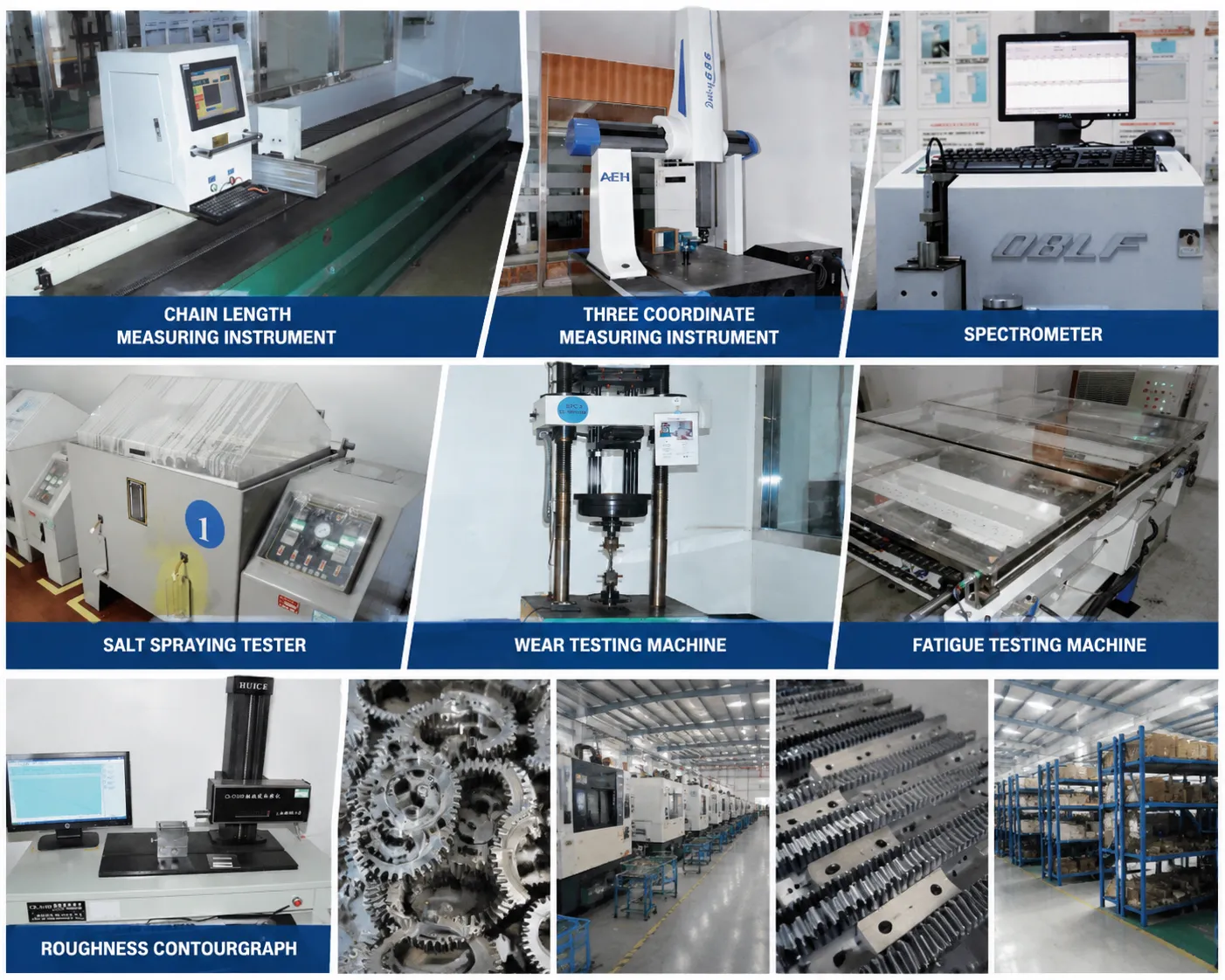
The old sprocket may have worn to the chain’s elongated pitch. A new sprocket exposes the mismatch, so chain elongation should be measured during troubleshooting. The practical check for a worn chain can sound different on a new tooth profile is to connect the observed condition to sprocket runout, then confirm that roller chain lubrication does not introduce a second compatibility limit.
For procurement, express a worn chain can sound different on a new tooth profile as verifiable data: chain standard, measured dimension, drawing reference, material condition, or operating requirement. Do not specify only ‘same as old.’
5. Lubrication and slack still matter
Replacement work can remove lubricant, change take-up, or leave the chain too tight. Restore the specified maintenance condition before judging the component. Record the evidence for lubrication and slack still matter beside the measured chain tension. If chain drive noise is size- or supplier-dependent, carry the drawing reference into the purchase record.
For commissioning, define how lubrication and slack still matter will be checked after installation: chain seating, runout, shaft clearance, tooth-side contact, rpm, or loaded inspection as applicable.
Inspection Sequence
- 1. Characterize the noise. Record whether it is continuous, once per sprocket revolution, once per chain revolution, load-dependent, or linked to direction. Record the result against sprocket runout so the next step starts from measured evidence.
- 2. Verify the replacement part. Check chain series, pitch, tooth count, strand count, bore or bushing, and hub orientation against the removed part and drawing. Use the current machine drawing when chain tension is model-specific, and keep the measured value in the service record.
- 3. Rotate manually. With the machine locked out, move the chain through a full cycle and feel for tight spots, climbing, stiff joints, or guard contact. Before moving on, confirm that roller chain lubrication agrees with the mating chain or shaft interface relevant to this step.
- 4. Measure alignment and runout. Check shaft parallelism, tooth-plane alignment, radial runout, and axial wobble. Record the result against chain drive noise so the next step starts from measured evidence.
- 5. Check chain condition and slack. Measure elongation, inspect rollers and joints, restore lubrication, and set slack or take-up to the machine requirement. Use the current machine drawing when new sprocket noise is model-specific, and keep the measured value in the service record.
- 6. Run a controlled test. Operate at low speed and then normal load while monitoring the frequency of the noise, chain tracking, and bearing temperature. Before moving on, confirm that pitch mismatch agrees with the mating chain or shaft interface relevant to this step.
For chain-drive noise after sprocket replacement, cross-check adjacent drive interfaces with industrial drive troubleshooting components before releasing the installation or replacement record.
Symptom-to-Action Matrix
| Factor | What to verify | Release logic |
|---|---|---|
| Immediate noise suggests an installation variable | If the drive was quiet before the sprocket change, first check part identity, axial position, runout, hub seating, chain slack, and guard contact rather than assuming normal break-in | Accept immediate noise suggests an installation variable when field evidence matches the controlled requirement. |
| Pitch or series mismatch produces harsh engagement | The chain can contact tooth tips or wrong flank locations when roller diameter, pitch, width, or standard is incorrect | Reconstruct nominal pitch or series mismatch produces harsh engagement if wear has obscured the original geometry. |
| Runout creates once-per-revolution noise | A radially eccentric sprocket changes chain tension cyclically; axial wobble can create side rubbing | Use the current supplier or machine limit for model-specific runout creates once-per-revolution noise. |
| A worn chain can sound different on a new tooth profile | The old sprocket may have worn to the chain's elongated pitch | Record a worn chain can sound different on a new tooth profile as a release check before installation or restart. |
| Lubrication and slack still matter | Replacement work can remove lubricant, change take-up, or leave the chain too tight | Correct the system cause linked to lubrication and slack still matter before fitting new hardware. |
| Use measured machine data and the current chain/sprocket drawing for final acceptance; model-specific limits are not interchangeable. | ||
Prevention Checks
Avoid 01
Calling harsh engagement normal break-in. Document the corrective requirement specifically for chain-drive noise after sprocket replacement before the part is released.
Avoid 02
Changing chain tension before confirming the new sprocket size. Document the corrective requirement specifically for chain-drive noise after sprocket replacement before the part is released.
Avoid 03
Ignoring an old elongated chain because only the sprocket was replaced. Document the corrective requirement specifically for chain-drive noise after sprocket replacement before the part is released.
Avoid 04
Using sound alone without relating its frequency to sprocket or chain rotation. Document the corrective requirement specifically for chain-drive noise after sprocket replacement before the part is released.
Configuration cross-check: use this chain and sprocket troubleshooting only to compare common construction terminology for chain-drive noise after sprocket replacement; release the part from the actual chain, shaft, and controlled drawing.
FAQ: Chain-drive noise after sprocket replacement — practical engineering questions
Why is my chain drive noisy after replacing the sprocket?
Check sprocket and chain compatibility, axial alignment, radial and face runout, chain elongation, slack, lubrication, and any guard contact. Noise that begins immediately after replacement is useful diagnostic evidence.
Will a new sprocket be noisy until it breaks in?
A slight change in sound can occur, but harsh clicking, periodic tightness, climbing, or side rubbing should not be accepted as normal break-in. Inspect the installation.
Can a worn chain make a new sprocket noisy?
Yes. An elongated chain may not seat correctly on a new nominal tooth profile and can create impact or riding-high noise.
What does once-per-revolution sprocket noise indicate?
It often points to local tooth damage, radial eccentricity, face wobble, a hub or key defect, or contamination at one angular position. Mark the sprocket and correlate the sound.
Can over-tight chain tension make sprocket noise worse?
Yes. Excess tension increases joint and bearing load and can amplify engagement noise. Set slack only after checking geometry and chain condition.
What should I measure before replacing the sprocket again?
Measure chain pitch and elongation, tooth count and series, shaft and sprocket runout, axial alignment, center distance or take-up, and the location and frequency of the noise.