Engineering Scope
Lifecycle Snapshot: Custom versus stock sprockets
Choose a custom sprocket only when chain interface, bore, hub, material, segmentation, tooth treatment, timing, or machine envelope cannot be satisfied economically and reliably by a stock configuration. This article concentrates on custom sprocket, stock sprocket, made to order sprocket, special bore, split sprocket, and custom hub as field-verifiable decision inputs.
For custom versus stock sprockets, keep chain engagement, shaft mounting, operating duty, and maintainability in the same decision record; use the current drawing whenever an exact limit is model-specific.
Field Reference
- Chain/tooth interface
- Confirm custom sprocket, stock sprocket, and the mating chain dimensions before changing hardware.
- Shaft/hub interface
- Record made to order sprocket and mounting details that control concentricity, axial position, or load transfer.
- Operating duty
- Document speed, load, shock, starts/reversals, contamination, washdown, and maintenance access relevant to custom versus stock sprockets.
- Verification record
- For custom versus stock sprockets, keep measured values, nominal drawing values, wear observations, and the final replacement requirement distinct in the service record.
Decision Principle
Release custom versus stock sprockets from measured interfaces, not appearance.
For custom versus stock sprockets, check the chain interface, shaft connection, duty, and installed geometry as separate acceptance items, then reconcile them in the final specification.
1. Stock sprockets reduce engineering and supply risk
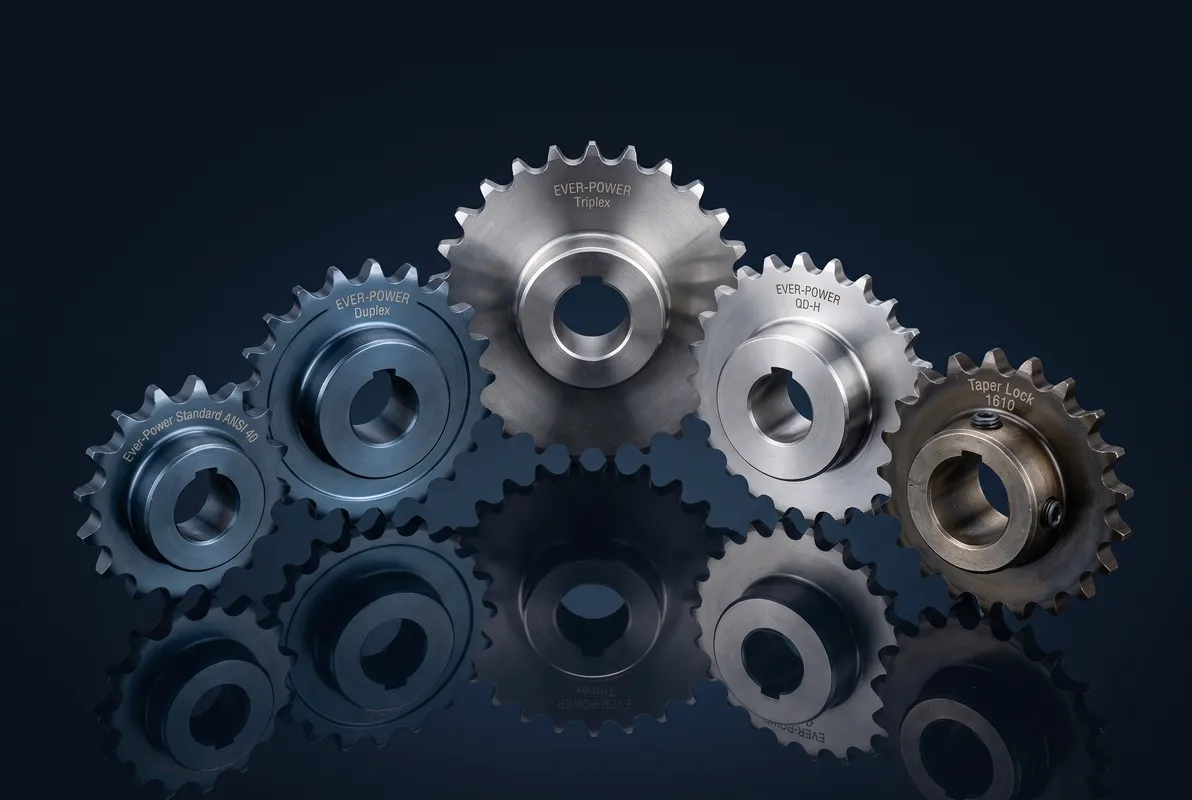
Standard tooth counts, bores, QD/Taper-Lock hubs, materials, and dimensions are easier to source and replace. Use stock when it meets the functional interfaces without machine compromise. The practical check for stock sprockets reduce engineering and supply risk is to connect the observed condition to custom sprocket, then confirm that made to order sprocket does not introduce a second compatibility limit. For component context, review custom industrial sprockets when the linked product family is relevant to the same chain-drive interface.
For commissioning, define how stock sprockets reduce engineering and supply risk will be checked after installation: chain seating, runout, shaft clearance, tooth-side contact, rpm, or loaded inspection as applicable.
2. Custom design is justified by a real constraint
Unusual shaft size, chain line, large hub, split construction, replaceable segments, nonstandard material, combined sprockets, special timing, or extreme envelope can make a made-to-order part the better solution. Record the evidence for custom design is justified by a real constraint beside the measured stock sprocket. If special bore is size- or supplier-dependent, carry the drawing reference into the purchase record.
Verification for custom versus stock sprockets: compare the field condition with nominal data and treat any difference that changes roller seating, shaft support, or service access as a release criterion.
3. Custom does not mean copy the worn part
A custom replacement should recover the intended tooth form and shaft interface. Reverse engineering must distinguish wear, field repairs, and original geometry. Treat custom does not mean copy the worn part as a pass/fail interface: document made to order sprocket, inspect the mating component, and use split sprocket to confirm the final operating fit. For component context, review industrial power transmission components when the linked product family is relevant to the same chain-drive interface.
Use the wear evidence to test custom does not mean copy the worn part: asymmetric polishing, fretting, root impact, or chain climbing should lead to a measurable correction rather than a like-for-like replacement.
4. Drawing control becomes critical
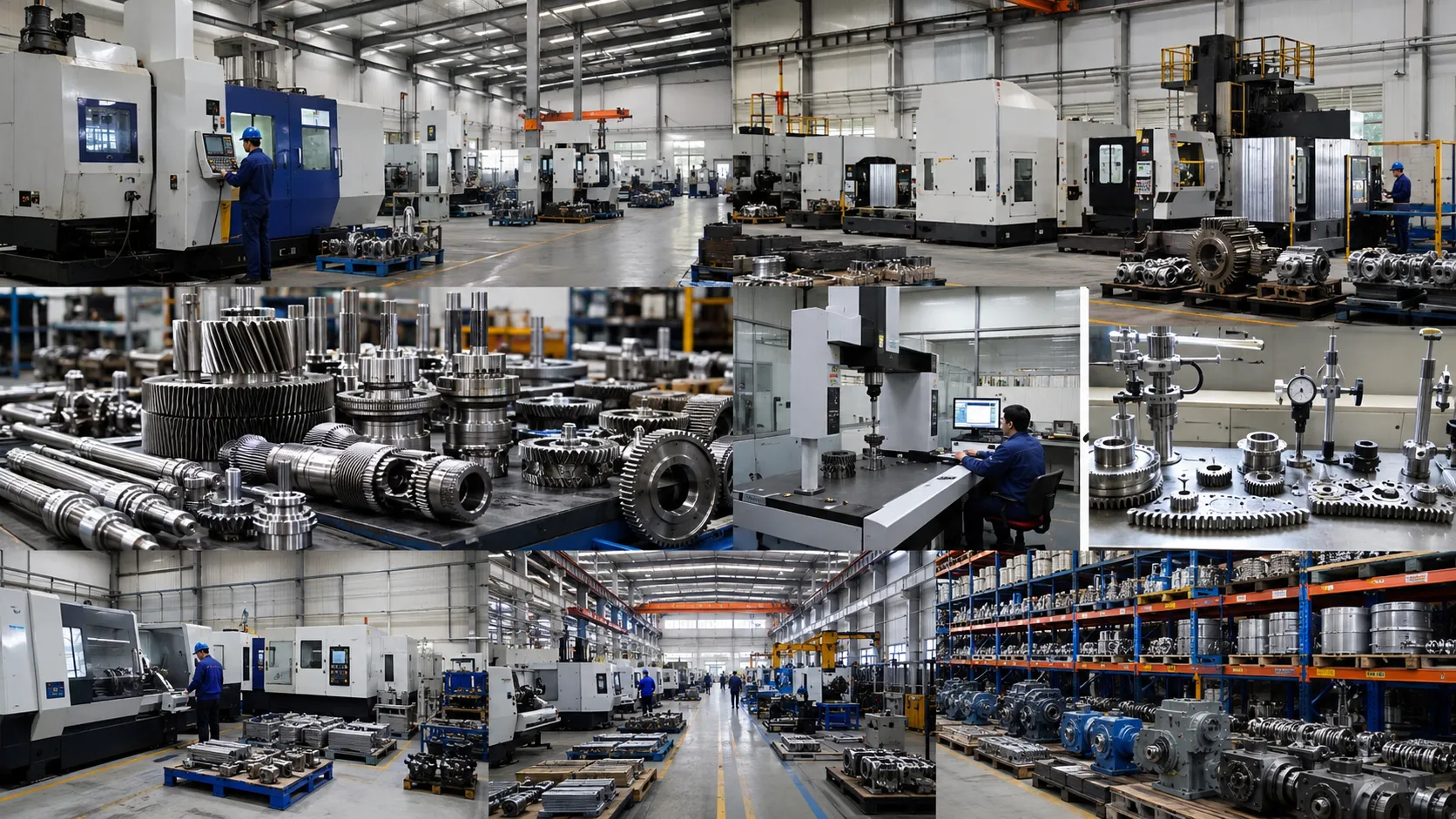
A custom sprocket needs a controlled drawing with chain reference, tooth count and form, bore and hub, material, heat treatment, runout datums, key or spline, and inspection requirements. A useful field note for custom versus stock sprockets pairs special bore with custom hub. That keeps the decision tied to the actual chain drive rather than a visual match.
For procurement, express drawing control becomes critical as verifiable data: chain standard, measured dimension, drawing reference, material condition, or operating requirement. Do not specify only ‘same as old.’
5. Lifecycle includes future replacement availability
A custom design should consider repeat orders, drawing ownership, spare quantity, lead time, and whether a standardized bushing or hub can reduce future dependency. For custom versus stock sprockets, use split sprocket as the primary field reference and compare it with custom sprocket; resolve any disagreement before releasing the sprocket specification.
For commissioning, define how lifecycle includes future replacement availability will be checked after installation: chain seating, runout, shaft clearance, tooth-side contact, rpm, or loaded inspection as applicable.
Evaluation Procedure
- 1. Check stock options first. Compare available tooth counts, hub styles, bushing systems, maximum bores, materials, and overall dimensions against the machine constraints. Before moving on, confirm that special bore agrees with the mating chain or shaft interface relevant to this step.
- 2. Document the blocking constraint. State exactly why stock fails: bore capacity, axial space, split access, chain spacing, material, tooth treatment, timing, or another measurable requirement. Record the result against split sprocket so the next step starts from measured evidence.
- 3. Build a full custom specification. Use chain and shaft data, load, rpm, environment, tooth form, hub, material, heat treatment, runout, and inspection requirements. Use the current machine drawing when custom hub is model-specific, and keep the measured value in the service record.
- 4. Review manufacturability. Confirm machining, heat-treatment distortion control, segment joint design, weld procedure if applicable, and availability of inspection references. Before moving on, confirm that custom sprocket agrees with the mating chain or shaft interface relevant to this step.
- 5. Plan spares and traceability. Assign part number and revision, retain the approved drawing, and decide how many spare parts or wear segments are needed. Record the result against stock sprocket so the next step starts from measured evidence.
- 6. Validate the first article. Inspect dimensions and runout, test chain seating and shaft fit, install under controlled conditions, and monitor the initial wear pattern before releasing repeat production. Use the current machine drawing when made to order sprocket is model-specific, and keep the measured value in the service record.
For custom versus stock sprockets, cross-check adjacent drive interfaces with engineering chain components before releasing the installation or replacement record.
Lifecycle Matrix
| Factor | What to verify | Release logic |
|---|---|---|
| Stock sprockets reduce engineering and supply risk | Standard tooth counts, bores, QD/Taper-Lock hubs, materials, and dimensions are easier to source and replace | Reconstruct nominal stock sprockets reduce engineering and supply risk if wear has obscured the original geometry. |
| Custom design is justified by a real constraint | Unusual shaft size, chain line, large hub, split construction, replaceable segments, nonstandard material, combined sprockets, special timing, or extreme envelope can make a made-to-order part the better solution | Use the current supplier or machine limit for model-specific custom design is justified by a real constraint. |
| Custom does not mean copy the worn part | A custom replacement should recover the intended tooth form and shaft interface | Record custom does not mean copy the worn part as a release check before installation or restart. |
| Drawing control becomes critical | A custom sprocket needs a controlled drawing with chain reference, tooth count and form, bore and hub, material, heat treatment, runout datums, key or spline, and inspection requirements | Correct the system cause linked to drawing control becomes critical before fitting new hardware. |
| Lifecycle includes future replacement availability | A custom design should consider repeat orders, drawing ownership, spare quantity, lead time, and whether a standardized bushing or hub can reduce future dependency | Accept lifecycle includes future replacement availability when field evidence matches the controlled requirement. |
| Use measured machine data and the current chain/sprocket drawing for final acceptance; model-specific limits are not interchangeable. | ||
Decision Review
Avoid 01
Ordering custom only because the old part has no readable number. Document the corrective requirement specifically for custom versus stock sprockets before the part is released.
Avoid 02
Copying worn tooth geometry. Document the corrective requirement specifically for custom versus stock sprockets before the part is released.
Avoid 03
Using an exotic bore that prevents economical future replacement. Document the corrective requirement specifically for custom versus stock sprockets before the part is released.
Avoid 04
Failing to keep the final drawing and revision after the first successful part. Document the corrective requirement specifically for custom versus stock sprockets before the part is released.
Configuration cross-check: use this custom sprocket configurations only to compare common construction terminology for custom versus stock sprockets; release the part from the actual chain, shaft, and controlled drawing.
FAQ: Custom versus stock sprockets — practical engineering questions
When should I order a custom sprocket instead of a stock sprocket?
Use custom when a measurable functional requirement such as bore, hub, chain spacing, split access, material, tooth treatment, timing, or envelope cannot be met by stock components without compromising the machine.
Is a custom sprocket always more expensive than stock?
The unit price is usually higher, but lifecycle cost can favor custom if it avoids machine modification, long downtime, repeated machining, or poor fit. Compare total installed cost and future spares.
What information is needed to manufacture a custom sprocket?
Provide chain standard and dimensions, tooth count and tooth form, bore and key/spline/bushing, hub and axial offsets, material, heat treatment, runout, speed, load, environment, and a controlled drawing.
Can a worn sprocket be used as the pattern for a custom replacement?
It can provide useful dimensions, but the worn tooth profile and damaged bore must not be copied as nominal geometry. Reconstruct the intended interface from the chain standard or original drawing.
Can a custom sprocket use a standard QD or Taper-Lock bushing?
Often yes, and doing so can simplify shaft adaptation and spares. The custom hub must be designed for the exact bushing series and required sprocket geometry.
How do I qualify the first custom sprocket before ordering more?
Inspect critical dimensions, tooth form, material documentation, bore or bushing, runout, chain seating, axial alignment, and initial loaded operation. Preserve the accepted drawing revision for future orders.