Engineering Scope
Application Snapshot: High-speed roller chain sprockets
Reduce noise and dynamic wear by using adequate tooth count, low runout, accurate alignment, appropriate chain pitch and rating, effective lubrication, controlled balance where required, and rigid shaft support. This article concentrates on high speed sprocket, roller chain noise, sprocket runout, chain lubrication, chordal action, and dynamic balance as field-verifiable decision inputs.
For high-speed roller chain sprockets, keep chain engagement, shaft mounting, operating duty, and maintainability in the same decision record; use the current drawing whenever an exact limit is model-specific.
Field Reference
- Chain/tooth interface
- Confirm high speed sprocket, roller chain noise, and the mating chain dimensions before changing hardware.
- Shaft/hub interface
- Record sprocket runout and mounting details that control concentricity, axial position, or load transfer.
- Operating duty
- Document speed, load, shock, starts/reversals, contamination, washdown, and maintenance access relevant to high-speed roller chain sprockets.
- Verification record
- For high-speed roller chain sprockets, keep measured values, nominal drawing values, wear observations, and the final replacement requirement distinct in the service record.
Decision Principle
Release high-speed roller chain sprockets from measured interfaces, not appearance.
For high-speed roller chain sprockets, check the chain interface, shaft connection, duty, and installed geometry as separate acceptance items, then reconcile them in the final specification.
1. Tooth count influences velocity ripple
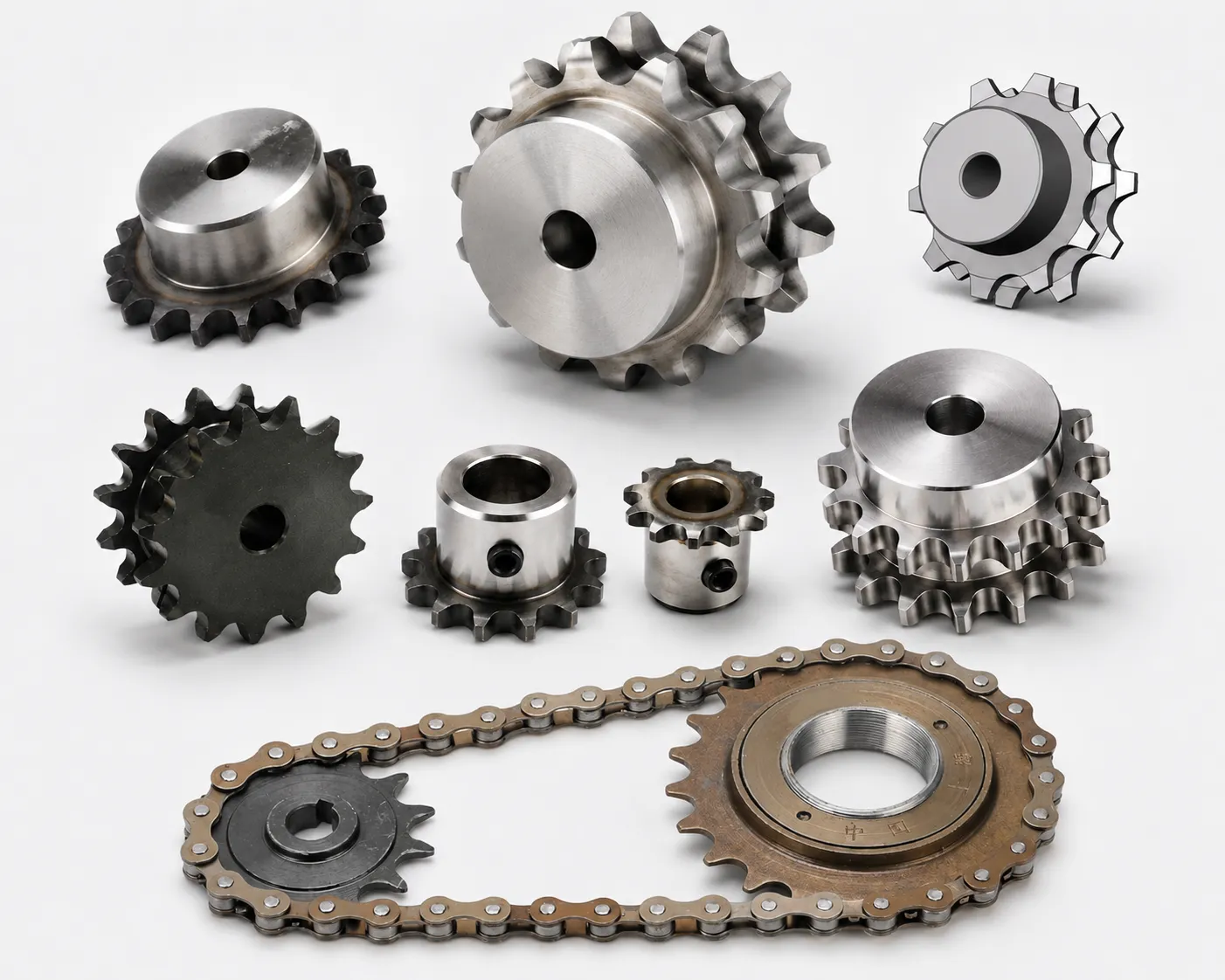
More teeth reduce chordal action and joint articulation, which is valuable when speed makes engagement frequency and vibration more noticeable. A useful field note for high-speed roller chain sprockets pairs high speed sprocket with sprocket runout. That keeps the decision tied to the actual chain drive rather than a visual match. For component context, review high speed roller chain sprockets when the linked product family is relevant to the same chain-drive interface.
For commissioning, define how tooth count influences velocity ripple will be checked after installation: chain seating, runout, shaft clearance, tooth-side contact, rpm, or loaded inspection as applicable.
2. Runout becomes a dynamic excitation
Small radial eccentricity produces cyclic chain-tension variation at rotational frequency; axial wobble creates repeated lateral steering. Precision mounting matters more as speed rises. For high-speed roller chain sprockets, use roller chain noise as the primary field reference and compare it with chain lubrication; resolve any disagreement before releasing the sprocket specification.
Verification for high-speed roller chain sprockets: compare the field condition with nominal data and treat any difference that changes roller seating, shaft support, or service access as a release criterion.
3. Lubrication must reach the articulating joint
High chain speed increases joint cycles and can change the lubrication method required. Splash, drip, bath, or forced systems should follow the chain manufacturer’s speed and load guidance. The practical check for lubrication must reach the articulating joint is to connect the observed condition to sprocket runout, then confirm that chordal action does not introduce a second compatibility limit. For component context, review high speed roller chain drives when the linked product family is relevant to the same chain-drive interface.
Use the wear evidence to test lubrication must reach the articulating joint: asymmetric polishing, fretting, root impact, or chain climbing should lead to a measurable correction rather than a like-for-like replacement.
4. Chain pitch and strand strategy affect dynamics
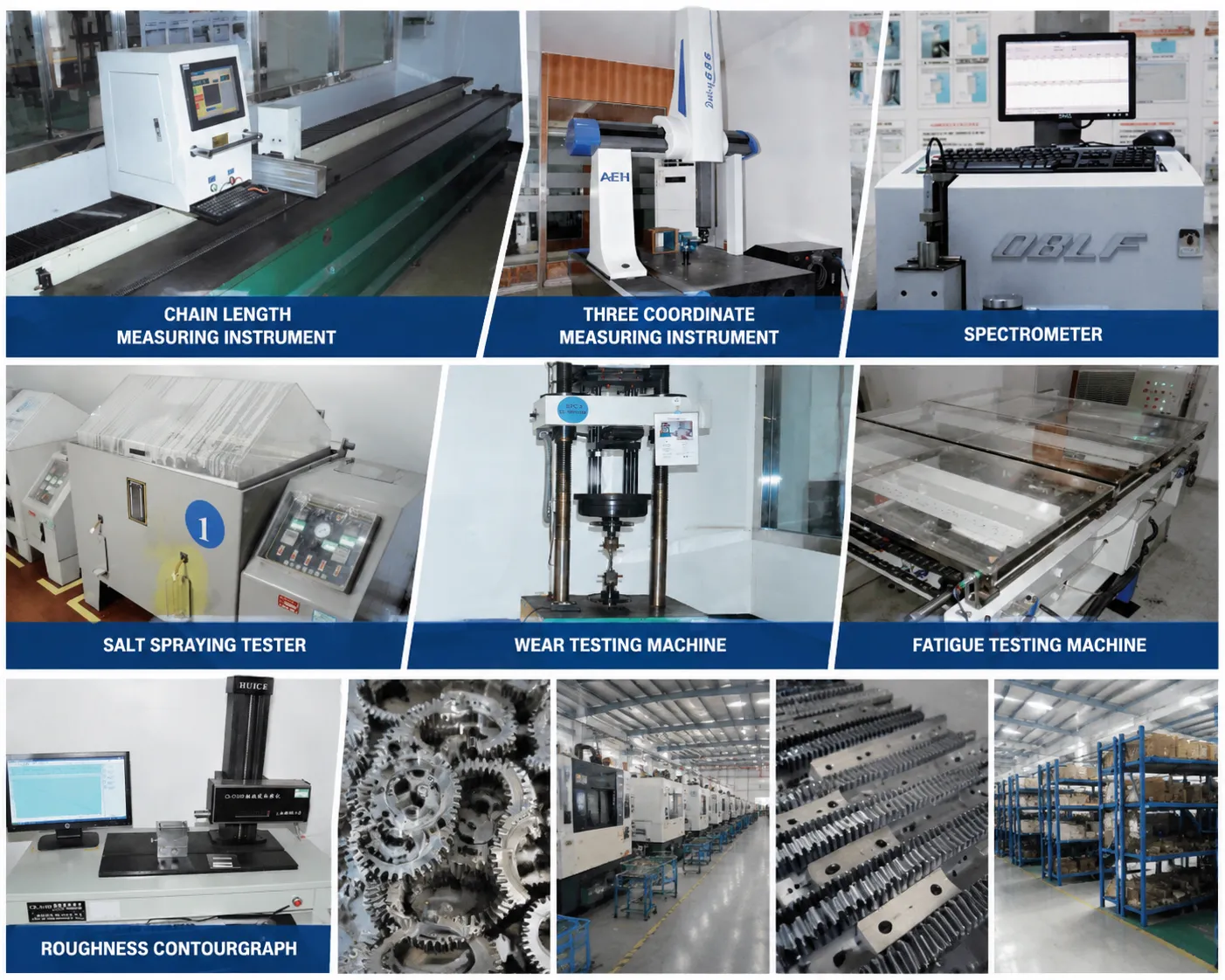
A smaller pitch with more strands may sometimes transmit the required power more smoothly than one large-pitch strand, subject to manufacturer rating and space. Record the evidence for chain pitch and strand strategy affect dynamics beside the measured chain lubrication. If dynamic balance is size- or supplier-dependent, carry the drawing reference into the purchase record.
For procurement, express chain pitch and strand strategy affect dynamics as verifiable data: chain standard, measured dimension, drawing reference, material condition, or operating requirement. Do not specify only ‘same as old.’
5. Balance and shaft stiffness may become design requirements
Large or fast sprockets can create vibration from mass imbalance or shaft deflection. Use supplier recommendations for balancing class or precision rather than applying an arbitrary universal threshold. Treat balance and shaft stiffness may become design requirements as a pass/fail interface: document chordal action, inspect the mating component, and use high speed sprocket to confirm the final operating fit.
For commissioning, define how balance and shaft stiffness may become design requirements will be checked after installation: chain seating, runout, shaft clearance, tooth-side contact, rpm, or loaded inspection as applicable.
Application Review Sequence
- 1. Calculate chain speed. Use pitch, tooth count, and sprocket rpm to establish the linear speed range for lubrication and rating checks. Record the result against chain lubrication so the next step starts from measured evidence.
- 2. Review tooth count. Evaluate the small sprocket for chordal action, articulation, wrap, and the chain maker's high-speed rating guidance. Use the current machine drawing when chordal action is model-specific, and keep the measured value in the service record.
- 3. Measure runout and alignment. Check shaft runout, sprocket radial and axial runout, tooth-plane alignment, and bearing condition. Before moving on, confirm that dynamic balance agrees with the mating chain or shaft interface relevant to this step.
- 4. Confirm lubrication method. Select and verify lubricant delivery that reaches the pin-bushing joints throughout the operating speed range. Record the result against high speed sprocket so the next step starts from measured evidence.
- 5. Check structure and balance. Review shaft stiffness, bearing spacing, sprocket mass distribution, hub fit, and any manufacturer balancing recommendation. Use the current machine drawing when roller chain noise is model-specific, and keep the measured value in the service record.
- 6. Commission by speed steps. Run at increasing speed while monitoring noise spectrum if available, chain tracking, temperature, lubricant distribution, and cyclic vibration. Before moving on, confirm that sprocket runout agrees with the mating chain or shaft interface relevant to this step.
For high-speed roller chain sprockets, cross-check adjacent drive interfaces with industrial power transmission components before releasing the installation or replacement record.
Application Matrix
| Factor | What to verify | Release logic |
|---|---|---|
| Tooth count influences velocity ripple | More teeth reduce chordal action and joint articulation, which is valuable when speed makes engagement frequency and vibration more noticeable | Use the current supplier or machine limit for model-specific tooth count influences velocity ripple. |
| Runout becomes a dynamic excitation | Small radial eccentricity produces cyclic chain-tension variation at rotational frequency; axial wobble creates repeated lateral steering | Record runout becomes a dynamic excitation as a release check before installation or restart. |
| Lubrication must reach the articulating joint | High chain speed increases joint cycles and can change the lubrication method required | Correct the system cause linked to lubrication must reach the articulating joint before fitting new hardware. |
| Chain pitch and strand strategy affect dynamics | A smaller pitch with more strands may sometimes transmit the required power more smoothly than one large-pitch strand, subject to manufacturer rating and space | Accept chain pitch and strand strategy affect dynamics when field evidence matches the controlled requirement. |
| Balance and shaft stiffness may become design requirements | Large or fast sprockets can create vibration from mass imbalance or shaft deflection | Reconstruct nominal balance and shaft stiffness may become design requirements if wear has obscured the original geometry. |
| Use measured machine data and the current chain/sprocket drawing for final acceptance; model-specific limits are not interchangeable. | ||
Specification Check
Avoid 01
Increasing speed without recalculating chain speed and lubrication. Document the corrective requirement specifically for high-speed roller chain sprockets before the part is released.
Avoid 02
Using a low tooth-count driver because it saves space. Document the corrective requirement specifically for high-speed roller chain sprockets before the part is released.
Avoid 03
Accepting visible sprocket wobble in a high-speed drive. Document the corrective requirement specifically for high-speed roller chain sprockets before the part is released.
Avoid 04
Assuming factory-applied chain preservative is the full operating lubricant. Document the corrective requirement specifically for high-speed roller chain sprockets before the part is released.
Configuration cross-check: use this roller chain drive selection only to compare common construction terminology for high-speed roller chain sprockets; release the part from the actual chain, shaft, and controlled drawing.
FAQ: High-speed roller chain sprockets — practical engineering questions
How do I reduce noise in a high-speed roller chain drive?
Use adequate small-sprocket tooth count, good shaft and sprocket alignment, low runout, healthy chain pitch, the correct slack, and a lubrication method suited to the calculated chain speed.
Why does sprocket runout matter more at high speed?
Runout creates cyclic tension and lateral motion every revolution. As rotational frequency increases, the excitation can become significant for noise, vibration, chain wear, and bearing load.
Should I use more sprocket teeth at high speed?
More teeth generally reduce chordal action and articulation, but increase diameter and chain speed at a given rpm. Choose tooth count through the manufacturer's drive-selection method.
Does a high-speed sprocket need dynamic balancing?
It may, depending on size, mass, rpm, precision requirements, and machine sensitivity. Use the sprocket or equipment manufacturer's balancing recommendation rather than a universal rule.
What lubrication is needed for a high-speed roller chain?
The required method depends on chain speed, load, pitch, environment, and chain design. Use the chain manufacturer's lubrication chart and verify that lubricant reaches the joints.
What should I measure when troubleshooting high-speed chain vibration?
Measure sprocket and shaft runout, alignment, tooth count, chain speed, chain elongation, slack, bearing movement, lubrication, and vibration frequency relative to shaft and chain engagement frequencies.