Engineering Scope
Diagnostic Snapshot: Fast sprocket wear in dusty and abrasive environments
Control abrasion by treating contamination, lubricant selection and delivery, chain elongation, tooth hardness, guarding, cleaning, and inspection frequency as one wear system. This article concentrates on abrasive sprocket wear, dusty chain drive, contamination, tooth hardening, chain lubrication, and sprocket wear as field-verifiable decision inputs.
For fast sprocket wear in dusty and abrasive environments, keep chain engagement, shaft mounting, operating duty, and maintainability in the same decision record; use the current drawing whenever an exact limit is model-specific.
Field Reference
- Chain/tooth interface
- Confirm abrasive sprocket wear, dusty chain drive, and the mating chain dimensions before changing hardware.
- Shaft/hub interface
- Record contamination and mounting details that control concentricity, axial position, or load transfer.
- Operating duty
- Document speed, load, shock, starts/reversals, contamination, washdown, and maintenance access relevant to fast sprocket wear in dusty and abrasive environments.
- Verification record
- For fast sprocket wear in dusty and abrasive environments, keep measured values, nominal drawing values, wear observations, and the final replacement requirement distinct in the service record.
Decision Principle
Release fast sprocket wear in dusty and abrasive environments from measured interfaces, not appearance.
For fast sprocket wear in dusty and abrasive environments, check the chain interface, shaft connection, duty, and installed geometry as separate acceptance items, then reconcile them in the final specification.
1. Dust can become a grinding compound
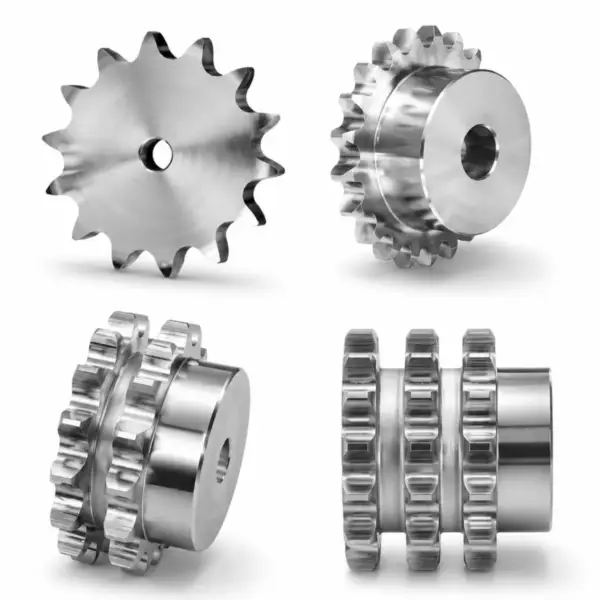
Fine mineral or process particles mixed with oil can enter roller-to-tooth and pin-bushing contacts. The resulting slurry accelerates both chain elongation and tooth wear. For fast sprocket wear in dusty and abrasive environments, use abrasive sprocket wear as the primary field reference and compare it with contamination; resolve any disagreement before releasing the sprocket specification. For component context, review hardened industrial sprockets when the linked product family is relevant to the same chain-drive interface.
For commissioning, define how dust can become a grinding compound will be checked after installation: chain seating, runout, shaft clearance, tooth-side contact, rpm, or loaded inspection as applicable.
2. Dry operation is not automatically cleaner
Removing lubricant may reduce dirt adhesion but can dramatically increase chain-joint wear unless a chain specifically designed for low or no lubrication is used. The practical check for dry operation is not automatically cleaner is to connect the observed condition to dusty chain drive, then confirm that tooth hardening does not introduce a second compatibility limit.
Verification for fast sprocket wear in dusty and abrasive environments: compare the field condition with nominal data and treat any difference that changes roller seating, shaft support, or service access as a release criterion.
3. Harder teeth address only one surface
Hardened sprockets can resist abrasive flank wear, but the chain rollers and joints still need protection. Chain elongation will eventually change tooth contact even on hard teeth. Record the evidence for harder teeth address only one surface beside the measured contamination. If chain lubrication is size- or supplier-dependent, carry the drawing reference into the purchase record. For component context, review roller chain lubrication when the linked product family is relevant to the same chain-drive interface.
Use the wear evidence to test harder teeth address only one surface: asymmetric polishing, fretting, root impact, or chain climbing should lead to a measurable correction rather than a like-for-like replacement.
4. Guard design should reject contamination
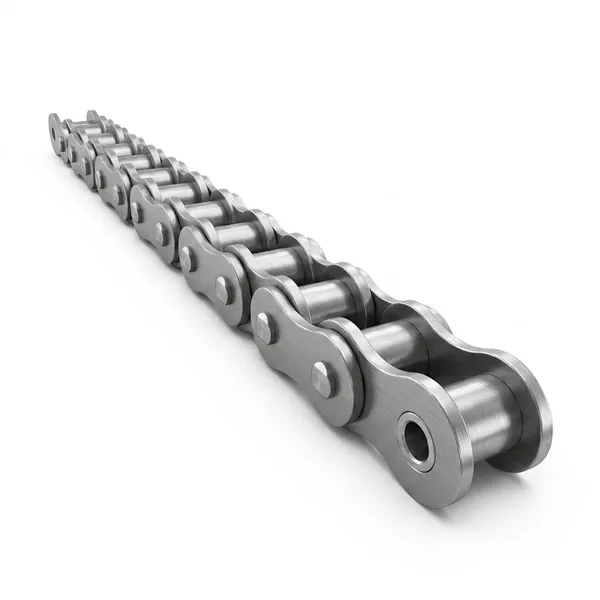
A guard that only covers rotating parts may still allow dust to fall onto the return span. Consider shields, labyrinth paths, drainage, and cleaning access. Treat guard design should reject contamination as a pass/fail interface: document tooth hardening, inspect the mating component, and use sprocket wear to confirm the final operating fit.
For procurement, express guard design should reject contamination as verifiable data: chain standard, measured dimension, drawing reference, material condition, or operating requirement. Do not specify only ‘same as old.’
5. Inspection frequency should follow contamination rate
Rather than using a fixed calendar interval copied from a clean machine, monitor chain elongation, lubricant condition, tooth wear, and debris accumulation to set the service interval. A useful field note for fast sprocket wear in dusty and abrasive environments pairs chain lubrication with abrasive sprocket wear. That keeps the decision tied to the actual chain drive rather than a visual match.
For commissioning, define how inspection frequency should follow contamination rate will be checked after installation: chain seating, runout, shaft clearance, tooth-side contact, rpm, or loaded inspection as applicable.
Inspection Sequence
- 1. Identify the abrasive source. Document particle type, size range if known, entry direction, process spills, and whether dust is dry, wet, sticky, or chemically aggressive. Before moving on, confirm that tooth hardening agrees with the mating chain or shaft interface relevant to this step.
- 2. Inspect lubricant condition. Check whether oil reaches the chain joints and whether it carries visible grit or forms paste at the sprocket roots. Record the result against chain lubrication so the next step starts from measured evidence.
- 3. Measure chain wear. Track elongation over time because joint wear often drives the tooth-contact shift that creates hooking. Use the current machine drawing when sprocket wear is model-specific, and keep the measured value in the service record.
- 4. Inspect tooth material and profile. Record hardness or treatment from the drawing if available and document flank, root, and side wear patterns. Before moving on, confirm that abrasive sprocket wear agrees with the mating chain or shaft interface relevant to this step.
- 5. Improve exclusion and cleaning. Modify shields or cleaning access so contamination is removed before it cycles repeatedly through the tooth mesh. Record the result against dusty chain drive so the next step starts from measured evidence.
- 6. Verify the revised maintenance plan. After changes, trend chain elongation and sprocket wear so the new interval is based on actual condition rather than assumption. Use the current machine drawing when contamination is model-specific, and keep the measured value in the service record.
For fast sprocket wear in dusty and abrasive environments, cross-check adjacent drive interfaces with industrial drive maintenance components before releasing the installation or replacement record.
Symptom-to-Action Matrix
| Factor | What to verify | Release logic |
|---|---|---|
| Dust can become a grinding compound | Fine mineral or process particles mixed with oil can enter roller-to-tooth and pin-bushing contacts | Correct the system cause linked to dust can become a grinding compound before fitting new hardware. |
| Dry operation is not automatically cleaner | Removing lubricant may reduce dirt adhesion but can dramatically increase chain-joint wear unless a chain specifically designed for low or no lubrication is used | Accept dry operation is not automatically cleaner when field evidence matches the controlled requirement. |
| Harder teeth address only one surface | Hardened sprockets can resist abrasive flank wear, but the chain rollers and joints still need protection | Reconstruct nominal harder teeth address only one surface if wear has obscured the original geometry. |
| Guard design should reject contamination | A guard that only covers rotating parts may still allow dust to fall onto the return span | Use the current supplier or machine limit for model-specific guard design should reject contamination. |
| Inspection frequency should follow contamination rate | Rather than using a fixed calendar interval copied from a clean machine, monitor chain elongation, lubricant condition, tooth wear, and debris accumulation to set the service interval | Record inspection frequency should follow contamination rate as a release check before installation or restart. |
| Use measured machine data and the current chain/sprocket drawing for final acceptance; model-specific limits are not interchangeable. | ||
Prevention Checks
Avoid 01
Adding more sticky grease to a dusty chain without checking where it goes. Document the corrective requirement specifically for fast sprocket wear in dusty and abrasive environments before the part is released.
Avoid 02
Hardening teeth while leaving abrasive slurry inside the guard. Document the corrective requirement specifically for fast sprocket wear in dusty and abrasive environments before the part is released.
Avoid 03
Switching to dry running on a chain not intended for it. Document the corrective requirement specifically for fast sprocket wear in dusty and abrasive environments before the part is released.
Avoid 04
Using clean-environment maintenance intervals in a high-dust process. Document the corrective requirement specifically for fast sprocket wear in dusty and abrasive environments before the part is released.
Configuration cross-check: use this chain drive maintenance guidance only to compare common construction terminology for fast sprocket wear in dusty and abrasive environments; release the part from the actual chain, shaft, and controlled drawing.
FAQ: Fast sprocket wear in dusty and abrasive environments — practical engineering questions
Why do sprockets wear quickly in dusty environments?
Abrasive particles enter the roller-to-tooth contact and chain joints, where they increase material removal and chain elongation. Poor guarding and contaminated lubricant accelerate the cycle.
Should I use hardened sprockets in abrasive service?
They can be useful when tooth wear is a limiting mechanism, but also control contamination, chain lubrication, chain wear, and alignment. Hard teeth alone do not protect the chain joints.
Is grease better than oil for a dusty roller chain drive?
The answer depends on the chain design, speed, environment, and lubricant delivery. The key requirement is lubricant reaching the pin-bushing joint without becoming a trap for abrasive contamination; follow the chain supplier's lubrication guidance.
Can I run a roller chain dry to avoid dust buildup?
Only if the chain is designed and rated for that operating mode. Standard chain can wear rapidly without lubricant at the articulating joints.
How can I reduce abrasive sprocket wear?
Improve exclusion, clean accumulated debris, deliver the correct lubricant to chain joints, monitor chain elongation, maintain alignment, and consider tooth material or hardening based on the wear pattern.
What should I monitor in a dusty chain drive?
Trend chain elongation, tooth flank and root wear, lubricant contamination, side wear, guard condition, take-up travel, bearing movement, and the rate at which debris re-enters the mesh.