Steel Stock Bore Sprockets American Standard
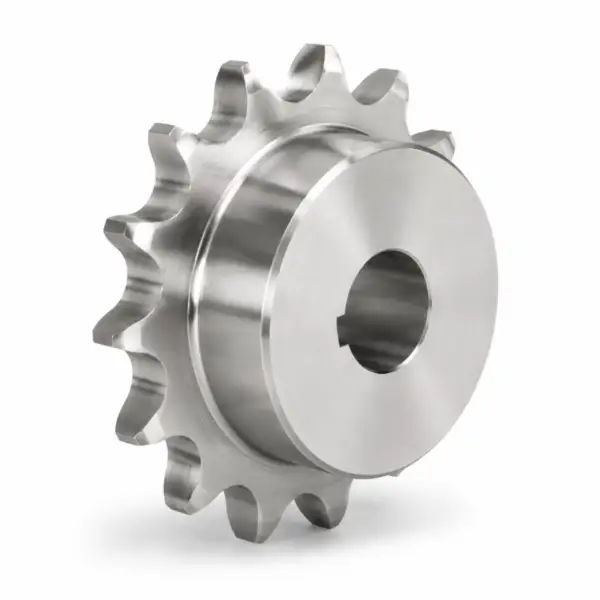
Korea Ever-Power American standard stock bore sprockets cover the full ANSI B29.1 chain range from #25 (6.35 mm pitch, 1/4″) through #240 (76.2 mm pitch, 3″), in simplex, duplex and triplex configurations. The tooth profile is machined to the ANSI B29.1 involute form — compatible with any roller chain manufactured to American ANSI standards, including chains from U.S., Canadian, Mexican and South Korean manufacturers.
#25 – #240
Chain Size Range
Z=9 – 120
Tooth Count Range
ANSI B29.1
Standard
ISO 9001
Qualità certificata
American Standard Steel Stock Bore Sprockets – Product Overview
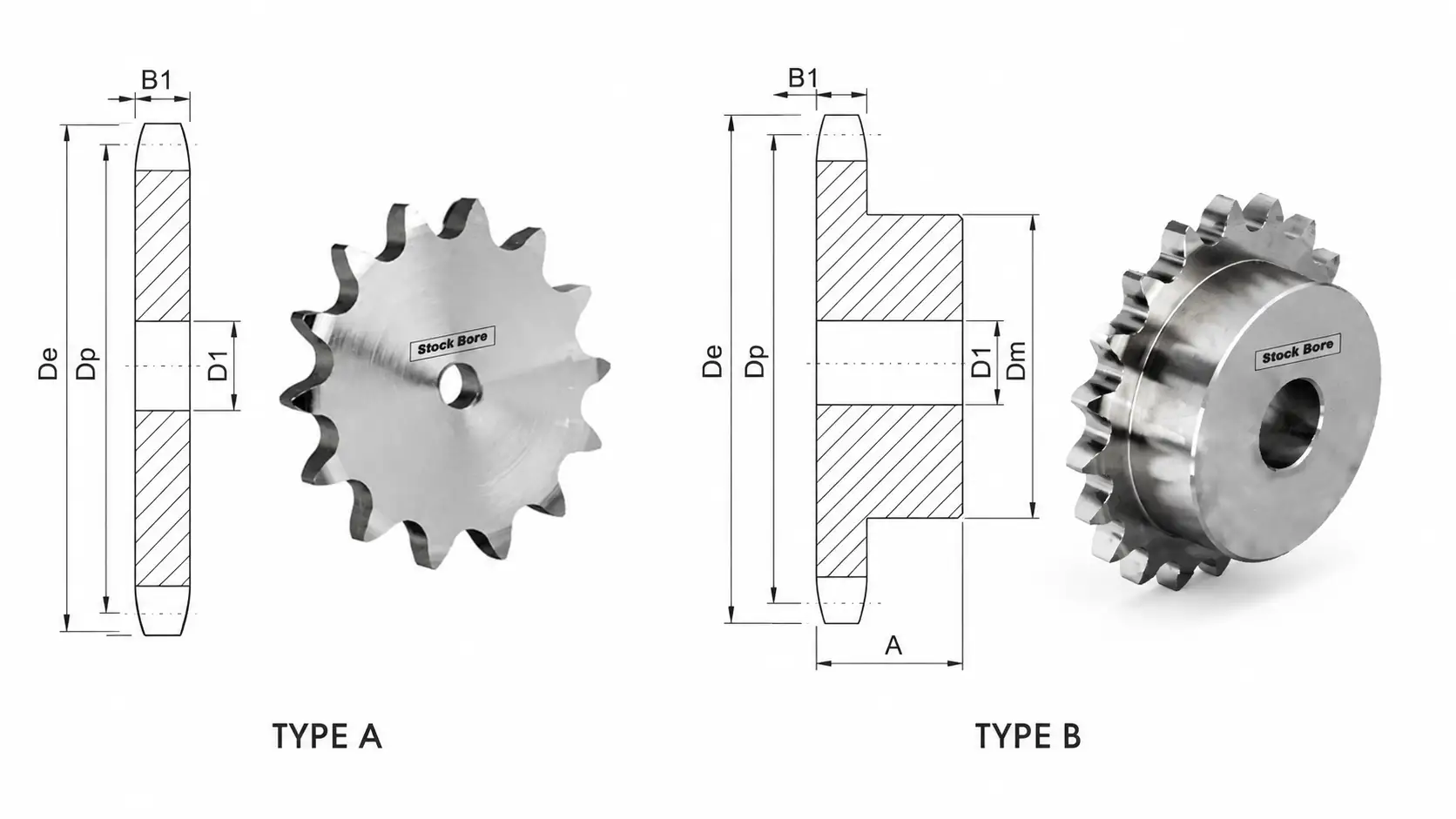
Stock bore sprockets are supplied with an unfinished bore — a pilot bore drilled for reference, with the hub left full so the bore can be machined to any shaft diameter from the minimum pilot bore up to the maximum bore for that hub size. The keyway and setscrew are machined to your specification at the time of boring. This makes stock bore the most flexible option for non-standard shaft sizes, metric or inch shaft diameters, and applications requiring tolerances or keyway forms outside the standard finished bore range.
Material is C45 medium carbon steel. Tooth flanks are induction-hardened to 52–58 HRC while the hub bore area remains unhardened and machinable. All sprockets are phosphate-treated for corrosion protection during storage and early service. The most commonly ordered sizes — #40, #50, #60 and #80 in Z=12 through Z=60 — are held in stock for immediate despatch. For non-stocked sizes, lead time is 7–14 working days. Pair with standard roller drive chain for a complete matched drive.
📐 ANSI vs European — key difference
ANSI chain and DIN 8187 chain have the same pitch for many sizes but different roller diameters and inner widths. An ANSI sprocket will not run correctly with European chain and vice versa — even where the pitch matches. Always confirm which chain standard is in use before ordering.
| Chain | Standard | Region |
|---|---|---|
| #40 / #50 / #60 | ANSI B29.1 | Americas, Korea |
| 06B / 08B / 10B | DIN 8187 | Europe |
How to Read an ANSI Chain Number
The ANSI chain number is not arbitrary — it encodes the pitch and configuration of the chain. Understanding it lets you confirm the sprocket specification from the chain number stamped on the chain link plate.
#40
4 = pitch in eighths of an inch
4 ÷ 8 = ½″ = 12.70 mm pitch
0 = standard (rollerized)
#60
6 = pitch in eighths
6 ÷ 8 = ¾″ = 19.05 mm pitch
0 = standard rollerized
#41
4 = ½″ pitch
1 = lightweight (reduced roller)
#41 = light-duty ½″
#80-2
8 = 1″ pitch
-2 = duplex (two strands)
1″ pitch duplex chain
Suffix -2 = duplex, -3 = triplex. No suffix = simplex. #25 and #35 are light-duty sizes with smaller rollers relative to pitch. Always match the chain number exactly when ordering sprockets — the suffix matters.
Legenda della colonna: Chain = ANSI chain number | Pitch = chain pitch (in / mm) | Roller Ø = roller diameter (mm) | Z range = available tooth counts | de max = tip diameter at max Z | Bore max = maximum bore at hub (mm) | Available: S=simplex, D=duplex, T=triplex
ANSI Sprocket Specifications by Chain Size
| Chain | Pitch (in / mm) | Roller Ø (mm) | Larghezza interna (mm) | Z Range | de max (mm) | Bore max (mm) | Available |
|---|---|---|---|---|---|---|---|
| #25 | ¼″ / 6.35 | 3.30 | 3.18 | 9 – 120 | 243.1 | 25 | S |
| #35 | ⅜″ / 9.525 | 5.08 | 4.78 | 6 – 90 | 273.9 | 32 | S, D |
| #40 | ½″ / 12.70 | 7.95 | 7.85 | 9 – 90 | 363.5 | 50 | S, D, T |
| #50 | ⅝″ / 15.875 | 10.16 | 9.53 | 9 – 90 | 454.5 | 60 | S, D, T |
| #60 | ¾″ / 19.05 | 11.91 | 12.70 | 9 – 90 | 545.3 | 75 | S, D, T |
| #80 | 1″ / 25.40 | 15.88 | 15.88 | 9 – 90 | 727.0 | 90 | S, D, T |
| #100 | 1¼″ / 31.75 | 19.05 | 19.05 | 9 – 76 | 770.0 | 100 | S, D, T |
| #120 | 1½″ / 38.10 | 22.23 | 25.40 | 9 – 76 | 927.0 | 110 | S, D, T |
| #140 | 1¾″ / 44.45 | 25.40 | 25.40 | 9 – 57 | 812.0 | 115 | S, D |
| #160 | 2″ / 50.80 | 28.58 | 31.75 | 8 – 57 | 930.0 | 125 | S, D |
| #200 | 2½″ / 63.50 | 39.67 | 38.10 | 8 – 45 | 916.0 | 140 | S, D |
| #240 | 3″ / 76.20 | 47.63 | 50.80 | 8 – 38 | 928.0 | 160 | S, D |
Common stock sizes (#40–#80, Z=12–60) available for immediate despatch. All other sizes 7–14 working days. S=Simplex, D=Duplex, T=Triplex. Contact us with chain number, tooth count, strand and required bore diameter to confirm availability and lead time.
ANSI vs DIN 8187 — Technical Differences that Matter
Many engineers assume ANSI and European chain are interchangeable where pitches match — they are not. The differences in roller diameter and inner width mean the tooth profile must be different to achieve correct roller seating. Mixing standards causes premature wear and potential chain jump.
| Dimension | ANSI #40 (½″) | DIN 8187 08B-1 (½″) | Impact on sprocket |
|---|---|---|---|
| Pitch | 12.70 mm | 12.70 mm | Identical — pitch circle diameter is the same for a given Z |
| Roller diameter | 7.95 mm | 8.51 mm | Larger DIN roller won't seat correctly in ANSI tooth profile — sits too high |
| Inner width | 7.85 mm | 7.75 mm | Different tooth width machined — chain doesn't seat correctly if wrong standard |
| Tooth profile | ANSI B29.1 | DIN 8187 | Not interchangeable — always match sprocket standard to chain standard |

Applicazioni
North American Industrial Machinery
The Americas standard for industrial machinery chain drives is ANSI B29.1. Any equipment designed or manufactured in the USA, Canada, Mexico, Colombia or Brazil will use ANSI chain. #40 and #50 are the most common sizes in light and medium industrial conveyors; #60 and #80 cover the majority of heavy industrial and agricultural OEM drives in North America. Stock bore is the standard MRO specification for replacement drives.
Korean-Manufactured Equipment
Korea uses ANSI B29.1 as its domestic chain standard — Korean industrial machinery from manufacturers including Doosan, Hyundai Heavy Industries and agricultural OEMs all specify ANSI chain. This is why Korea Ever-Power stocks the full ANSI sprocket range alongside the European range. Replacement sprockets for Korean equipment imported into Europe or Australia must be ordered to ANSI specification, not DIN 8187, even though the pitch may appear identical.
Export Machinery for Americas Markets
European and Asian OEMs designing machinery for North American or South American markets must specify ANSI chain and sprockets to ensure local service parts availability. #50 and #60 ANSI sprockets are stocked by virtually every industrial supply house in the USA, Canada and Brazil — replacing a DIN 8187 sprocket in an American workshop requires a specialist import order. Our gamma completa di pignoni covers both standards for export machine builders.
Catena abbinata e prodotti correlati
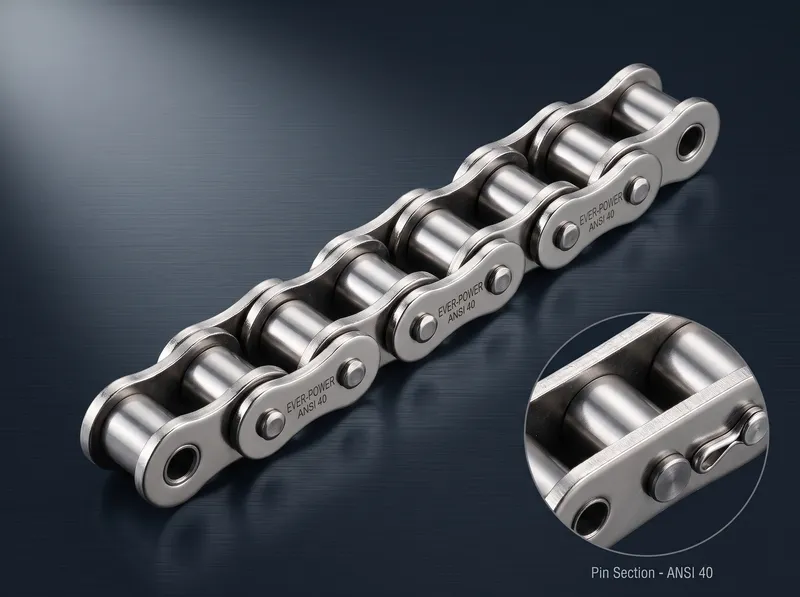
catene di foglie
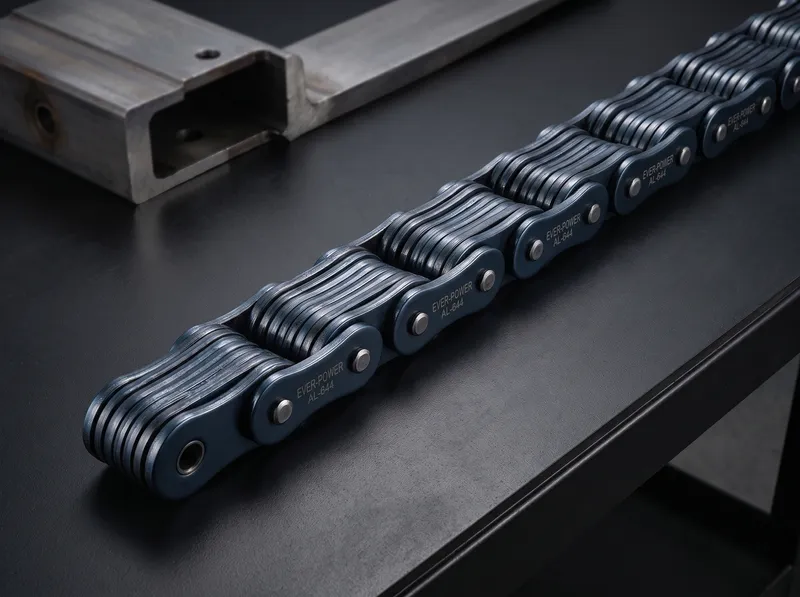
Catene a maglie piatte serie BL e LH per montanti di carrelli elevatori, azionamenti per porte industriali e meccanismi di sollevamento. Portate di trazione da 11 kN a oltre 1.600 kN.
Catene ingegneristiche
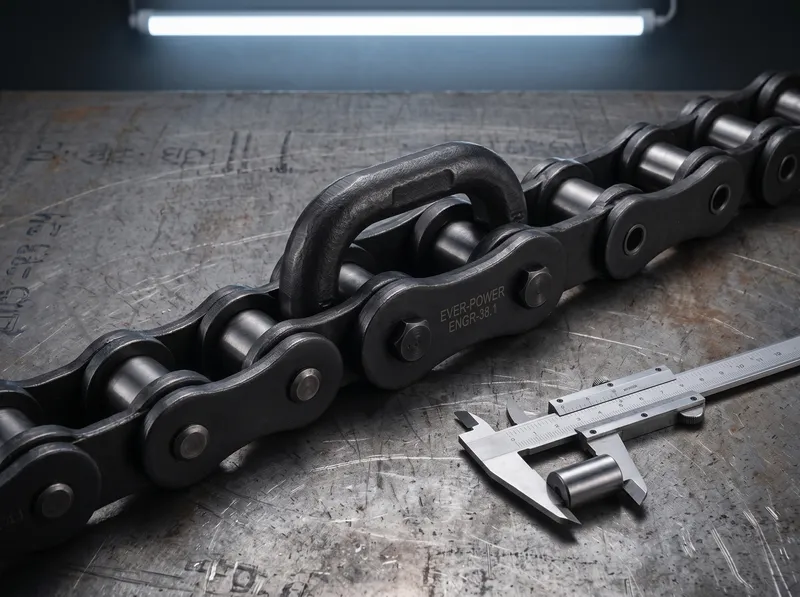
Catene in acciaio saldato, ghisa e forgiate per il trasporto industriale pesante in acciaierie, cementifici, miniere e impianti chimici.
Catene in acciaio inossidabile
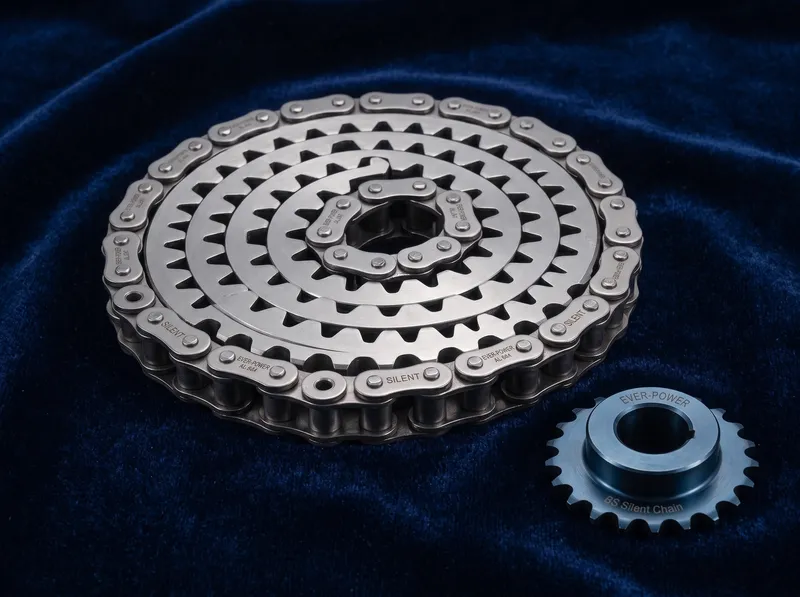
Catene a rulli in acciaio inox SUS304 e SUS316L per ambienti alimentari, farmaceutici e chimici. Adatte a lavaggi frequenti, temperature elevate e agenti corrosivi.
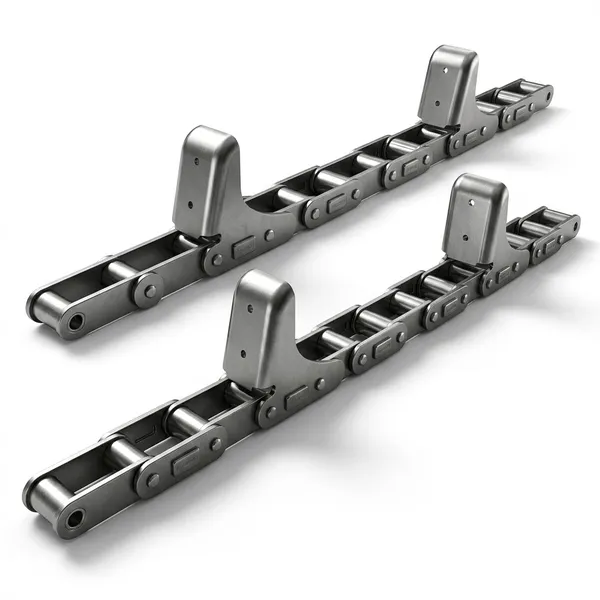
Filiere agricole
Serie CA, CC e catene per mais per mietitrebbie, raccoglitrici di cotone, presse e spandiconcime. Conformi agli standard ISO 487 / ASME B29.100.
Domande frequenti

Informazioni aggiuntive
| Redattore | Cxm |
|---|
Prodotti correlati
-
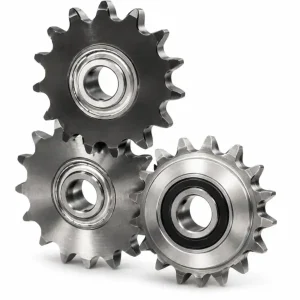
Double Pitch Sprockets Asian Standard
-
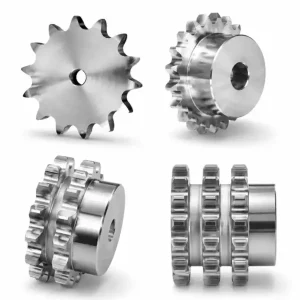
Stock Bore Sprockets & Platewheels Asian Standard
-
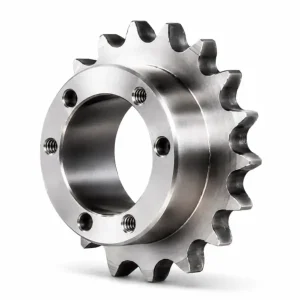
Sprockets with QD Bushings American Standard
-
Double Pitch Sprockets American Standard
-
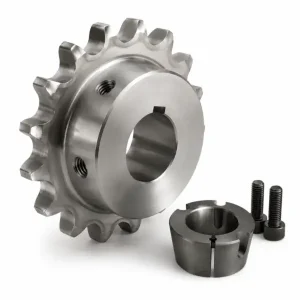
Taper Bore Sprockets American Standard
-
Pignoni folli con cuscinetti a sfera, standard europeo | Pignoni tenditori a ruota libera DIN 8187
-
Pignoni con foro conico standard europeo | Blocco conico DIN 8187 ISO R606
-
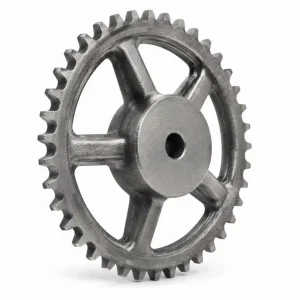
Pignoni in ghisa standard europeo | GG22-GG25 DIN 8187 Diametro grande