Engineering Scope
Application Snapshot: Conveyor sprockets for bulk material handling
Select conveyor sprockets from the actual chain geometry, chain pull, shaft torque, material abrasion, speed, contamination, replaceability, and maintenance access rather than from tooth count alone. This article concentrates on conveyor sprocket, bulk material handling, conveyor chain, chain pull, abrasive wear, and segmental sprocket as field-verifiable decision inputs.
For conveyor sprockets for bulk material handling, keep chain engagement, shaft mounting, operating duty, and maintainability in the same decision record; use the current drawing whenever an exact limit is model-specific.
Field Reference
- Chain/tooth interface
- Confirm conveyor sprocket, bulk material handling, and the mating chain dimensions before changing hardware.
- Shaft/hub interface
- Record conveyor chain and mounting details that control concentricity, axial position, or load transfer.
- Operating duty
- Document speed, load, shock, starts/reversals, contamination, washdown, and maintenance access relevant to conveyor sprockets for bulk material handling.
- Verification record
- For conveyor sprockets for bulk material handling, keep measured values, nominal drawing values, wear observations, and the final replacement requirement distinct in the service record.
Decision Principle
Release conveyor sprockets for bulk material handling from measured interfaces, not appearance.
For conveyor sprockets for bulk material handling, check the chain interface, shaft connection, duty, and installed geometry as separate acceptance items, then reconcile them in the final specification.
1. The conveyor chain defines the tooth interface
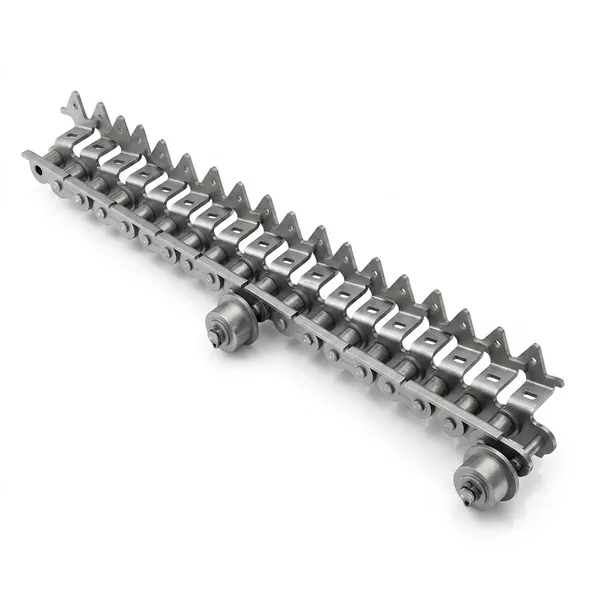
Bulk handling may use roller, bushed, engineered-class, or double-pitch conveyor chains. Record the exact chain series, roller or barrel diameter, attachments, and strand arrangement before specifying teeth. A useful field note for conveyor sprockets for bulk material handling pairs conveyor sprocket with conveyor chain. That keeps the decision tied to the actual chain drive rather than a visual match. For component context, review conveyor chains for bulk handling when the linked product family is relevant to the same chain-drive interface.
For procurement, express the conveyor chain defines the tooth interface as verifiable data: chain standard, measured dimension, drawing reference, material condition, or operating requirement. Do not specify only ‘same as old.’
2. Chain pull and shaft torque drive hub design
A large low-speed conveyor can have high chain pull even when motor power seems modest. Bore, key, shaft, hub, and any taper bushing must be checked for the actual load and shock. For conveyor sprockets for bulk material handling, use bulk material handling as the primary field reference and compare it with chain pull; resolve any disagreement before releasing the sprocket specification.
For commissioning, define how chain pull and shaft torque drive hub design will be checked after installation: chain seating, runout, shaft clearance, tooth-side contact, rpm, or loaded inspection as applicable.
3. Bulk material changes tooth wear
Sand, grain dust, ore fines, ash, or sticky product can pack into tooth roots or become abrasive. Root relief, hardened teeth, cleaning, and guarding should be considered from the material behavior. The practical check for bulk material changes tooth wear is to connect the observed condition to conveyor chain, then confirm that abrasive wear does not introduce a second compatibility limit. For component context, review industrial conveyor sprockets when the linked product family is relevant to the same chain-drive interface.
Verification for conveyor sprockets for bulk material handling: compare the field condition with nominal data and treat any difference that changes roller seating, shaft support, or service access as a release criterion.
4. Large sprockets create maintenance choices
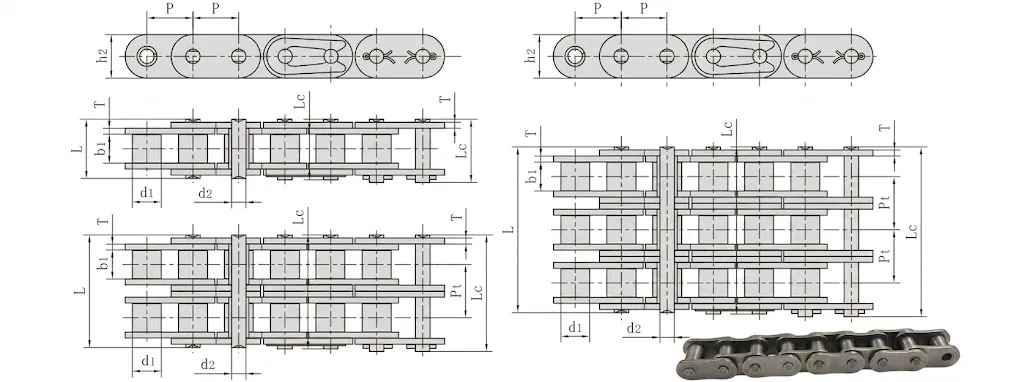
One-piece wheels, split sprockets, and replaceable segmental rims have different downtime and runout tradeoffs. On difficult shafts, replaceable tooth segments can reduce outage work. Record the evidence for large sprockets create maintenance choices beside the measured chain pull. If segmental sprocket is size- or supplier-dependent, carry the drawing reference into the purchase record.
Use the wear evidence to test large sprockets create maintenance choices: asymmetric polishing, fretting, root impact, or chain climbing should lead to a measurable correction rather than a like-for-like replacement.
5. Slow speed does not eliminate alignment requirements
Misaligned large conveyor sprockets can overload one tooth side, track the chain against guides, and accelerate attachment or roller wear. Shaft and tooth-plane alignment remain essential. Treat slow speed does not eliminate alignment requirements as a pass/fail interface: document abrasive wear, inspect the mating component, and use conveyor sprocket to confirm the final operating fit.
For procurement, express slow speed does not eliminate alignment requirements as verifiable data: chain standard, measured dimension, drawing reference, material condition, or operating requirement. Do not specify only ‘same as old.’
Application Matrix
| Factor | What to verify | Release logic |
|---|---|---|
| The conveyor chain defines the tooth interface | Bulk handling may use roller, bushed, engineered-class, or double-pitch conveyor chains | Use the current supplier or machine limit for model-specific the conveyor chain defines the tooth interface. |
| Chain pull and shaft torque drive hub design | A large low-speed conveyor can have high chain pull even when motor power seems modest | Record chain pull and shaft torque drive hub design as a release check before installation or restart. |
| Bulk material changes tooth wear | Sand, grain dust, ore fines, ash, or sticky product can pack into tooth roots or become abrasive | Correct the system cause linked to bulk material changes tooth wear before fitting new hardware. |
| Large sprockets create maintenance choices | One-piece wheels, split sprockets, and replaceable segmental rims have different downtime and runout tradeoffs | Accept large sprockets create maintenance choices when field evidence matches the controlled requirement. |
| Slow speed does not eliminate alignment requirements | Misaligned large conveyor sprockets can overload one tooth side, track the chain against guides, and accelerate attachment or roller wear | Reconstruct nominal slow speed does not eliminate alignment requirements if wear has obscured the original geometry. |
| Use measured machine data and the current chain/sprocket drawing for final acceptance; model-specific limits are not interchangeable. | ||
Application Review Sequence
- 1. Identify the conveyor chain. Record chain standard or drawing, pitch, roller or barrel, inner width, attachments, and number of strands. If the observation changes chain pull, stop and update the replacement specification before continuing.
- 2. Determine chain pull and duty. Use conveyor design data for working pull, starting or jam loads, speed, duty cycle, and direction rather than relying only on motor nameplate power. Repeat or rotate the check when wear could bias abrasive wear; the goal is nominal geometry, not one convenient reading.
- 3. Choose tooth count and diameter. Balance engagement smoothness, available envelope, shaft height, material clearance, and manufacturer guidance. Photograph the setup when useful and identify the reference surfaces used to establish segmental sprocket.
- 4. Choose rim and material. Evaluate carbon steel, hardened teeth, stainless or corrosion-resistant construction, split/segmental design, and replaceable rims from the actual wear mechanism. If the observation changes conveyor sprocket, stop and update the replacement specification before continuing.
- 5. Design for cleaning and inspection. Provide access to tooth roots, fasteners, split joints, bearings, and take-up; prevent material buildup from hiding wear. Repeat or rotate the check when wear could bias bulk material handling; the goal is nominal geometry, not one convenient reading.
- 6. Verify under load. After installation, inspect chain seating, tracking, root packing, shaft deflection, bearing movement, and tooth contact with normal material flow. Photograph the setup when useful and identify the reference surfaces used to establish conveyor chain.
For conveyor sprockets for bulk material handling, cross-check adjacent drive interfaces with engineering chain components before releasing the installation or replacement record.
Specification Check
Avoid 01
Using precision roller-chain sprocket geometry for an engineering conveyor chain. Document the corrective requirement specifically for conveyor sprockets for bulk material handling before the part is released.
Avoid 02
Sizing the hub from motor horsepower without checking starting chain pull. Document the corrective requirement specifically for conveyor sprockets for bulk material handling before the part is released.
Avoid 03
Ignoring product buildup in tooth roots. Document the corrective requirement specifically for conveyor sprockets for bulk material handling before the part is released.
Avoid 04
Choosing a solid wheel where shaft disassembly dominates maintenance downtime. Document the corrective requirement specifically for conveyor sprockets for bulk material handling before the part is released.
Configuration cross-check: use this conveyor sprocket options only to compare common construction terminology for conveyor sprockets for bulk material handling; release the part from the actual chain, shaft, and controlled drawing.
FAQ: Conveyor sprockets for bulk material handling — practical engineering questions
How do I select a conveyor sprocket for bulk material handling?
Start with the exact conveyor chain and roller/barrel geometry, then check chain pull, speed, tooth count, shaft and hub, material abrasion, corrosion, buildup, alignment, and maintenance access.
Should conveyor sprocket teeth be hardened?
Hardening can be valuable where abrasive flank and root wear are limiting, but it should accompany contamination control, chain wear monitoring, and suitable material toughness for the shock duty.
When are split or segmental conveyor sprockets useful?
They are useful when the shaft is difficult to disassemble or the tooth rim wears faster than the hub. The split or segment joint must still maintain concentricity and structural load capacity.
How does bulk material affect sprocket tooth design?
Material can pack tooth roots, abrade flanks, corrode surfaces, or block roller seating. The chain and sprocket designer may need root clearance, special materials, hardening, shielding, or cleaning access.
What measurements are needed for a conveyor sprocket replacement?
Record chain series, pitch, roller/barrel, attachments, tooth count, face width, bore, keyway or bushing, hub, shaft size, chain line, material buildup, and existing wear pattern.
Should I replace conveyor chain and sprockets together?
Inspect chain elongation and joint condition plus tooth profile and new-chain seating. Replace the components whose condition would compromise correct engagement or planned outage reliability.