Engineering Scope
Application Snapshot: Agricultural sprockets for harvesters, elevators, and feeder drives
Select agricultural sprockets for crop shock, dust, mud, moisture, reversing, seasonal service, field replacement, and the exact agricultural or roller-chain geometry used by the machine. This article concentrates on agricultural sprocket, harvester chain, feeder drive, elevator chain, dust and mud, and field maintenance as field-verifiable decision inputs.
For agricultural sprockets for harvesters, elevators, and feeder drives, keep chain engagement, shaft mounting, operating duty, and maintainability in the same decision record; use the current drawing whenever an exact limit is model-specific.
Field Reference
- Chain/tooth interface
- Confirm agricultural sprocket, harvester chain, and the mating chain dimensions before changing hardware.
- Shaft/hub interface
- Record feeder drive and mounting details that control concentricity, axial position, or load transfer.
- Operating duty
- Document speed, load, shock, starts/reversals, contamination, washdown, and maintenance access relevant to agricultural sprockets for harvesters, elevators, and feeder drives.
- Verification record
- For agricultural sprockets for harvesters, elevators, and feeder drives, keep measured values, nominal drawing values, wear observations, and the final replacement requirement distinct in the service record.
Decision Principle
Release agricultural sprockets for harvesters, elevators, and feeder drives from measured interfaces, not appearance.
For agricultural sprockets for harvesters, elevators, and feeder drives, check the chain interface, shaft connection, duty, and installed geometry as separate acceptance items, then reconcile them in the final specification.
1. Identify the machine chain family first
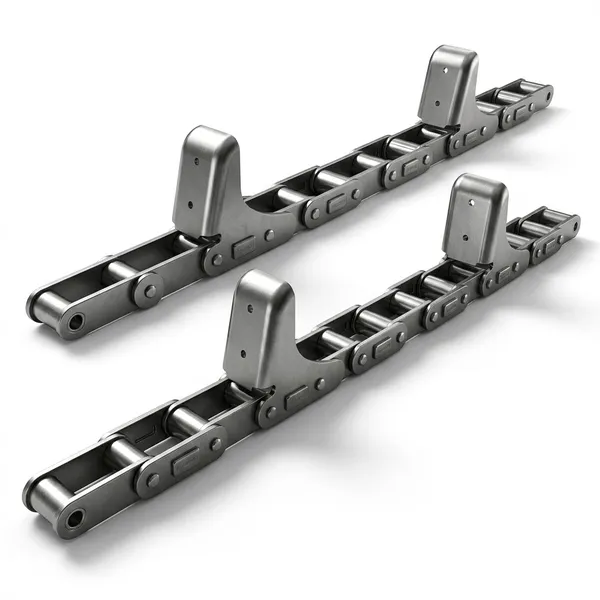
Agricultural machines can use standard roller chain, agricultural roller chain, detachable chain, elevator chain, or special gathering chains. The sprocket tooth form must follow the chain, not the machine brand alone. Record the evidence for identify the machine chain family first beside the measured agricultural sprocket. If feeder drive is size- or supplier-dependent, carry the drawing reference into the purchase record. For component context, review agricultural chains when the linked product family is relevant to the same chain-drive interface.
For commissioning, define how identify the machine chain family first will be checked after installation: chain seating, runout, shaft clearance, tooth-side contact, rpm, or loaded inspection as applicable.
2. Shock and intermittent loading matter
Feeder slugs, crop bunching, reversals, clutch engagement, and jam clearing create loads that a smooth-duty catalog selection may not represent. Treat shock and intermittent loading matter as a pass/fail interface: document harvester chain, inspect the mating component, and use elevator chain to confirm the final operating fit.
Verification for agricultural sprockets for harvesters, elevators, and feeder drives: compare the field condition with nominal data and treat any difference that changes roller seating, shaft support, or service access as a release criterion.
3. Contamination is part of normal duty
Dust, chaff, mud, fertilizer residue, and water can enter both chain joints and tooth roots. Material, hardening, shielding, and cleaning access should reflect this environment. A useful field note for agricultural sprockets for harvesters, elevators, and feeder drives pairs feeder drive with dust and mud. That keeps the decision tied to the actual chain drive rather than a visual match. For component context, review agricultural sprockets when the linked product family is relevant to the same chain-drive interface.
Use the wear evidence to test contamination is part of normal duty: asymmetric polishing, fretting, root impact, or chain climbing should lead to a measurable correction rather than a like-for-like replacement.
4. Seasonal maintenance favors serviceable mounting
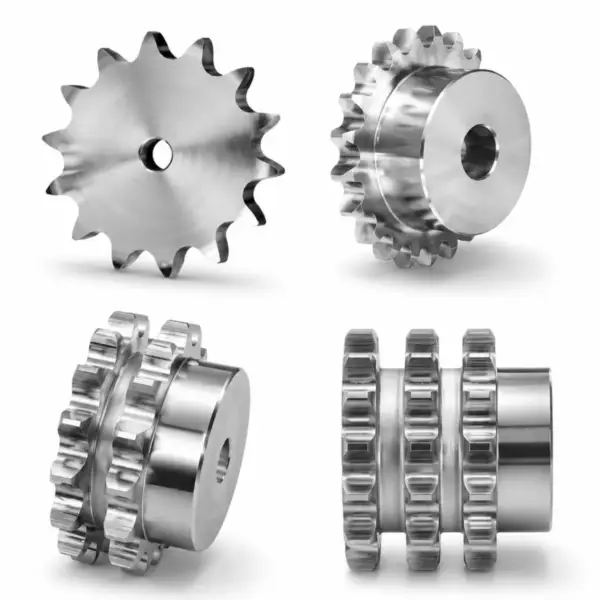
Finished bore, taper bushing, split designs, and common tooth counts each offer different advantages when a machine must be repaired quickly during harvest. For agricultural sprockets for harvesters, elevators, and feeder drives, use elevator chain as the primary field reference and compare it with field maintenance; resolve any disagreement before releasing the sprocket specification.
For procurement, express seasonal maintenance favors serviceable mounting as verifiable data: chain standard, measured dimension, drawing reference, material condition, or operating requirement. Do not specify only ‘same as old.’
5. Storage corrosion can be as important as running wear
A sprocket can corrode during off-season storage even if field hours are limited. Cleaning, protective lubricant, drainage, and storage practice should be part of the lifecycle plan. The practical check for storage corrosion can be as important as running wear is to connect the observed condition to dust and mud, then confirm that agricultural sprocket does not introduce a second compatibility limit.
For commissioning, define how storage corrosion can be as important as running wear will be checked after installation: chain seating, runout, shaft clearance, tooth-side contact, rpm, or loaded inspection as applicable.
Application Review Sequence
- 1. Identify chain and location. Record the chain type, tooth count, shaft position, drive direction, attachments, and machine function such as feeder, elevator, auger, or pickup. Use the current machine drawing when elevator chain is model-specific, and keep the measured value in the service record.
- 2. Characterize crop load. Note normal feed rate, slugging, jams, reversing, clutch or shear-device behavior, and any field history of tooth or chain failures. Before moving on, confirm that dust and mud agrees with the mating chain or shaft interface relevant to this step.
- 3. Inspect contamination paths. Look at chaff entry, mud splash, chemical exposure, washdown, and where material packs around the sprocket. Record the result against field maintenance so the next step starts from measured evidence.
- 4. Select material and mounting. Choose tooth material or hardening plus bore or bushing arrangement with field repair, corrosion, and shaft access in mind. Use the current machine drawing when agricultural sprocket is model-specific, and keep the measured value in the service record.
- 5. Verify alignment and guards. Check shaft supports, bearing movement, chain guides, guards, and take-up so crop debris does not push the chain out of plane. Before moving on, confirm that harvester chain agrees with the mating chain or shaft interface relevant to this step.
- 6. Plan seasonal preservation. Clean, inspect, lubricate or protect, release unnecessary static tension where approved, and record wear before storage so parts can be ordered before the next season. Record the result against feeder drive so the next step starts from measured evidence.
For agricultural sprockets for harvesters, elevators, and feeder drives, cross-check adjacent drive interfaces with agricultural power transmission components before releasing the installation or replacement record.
Application Matrix
| Factor | What to verify | Release logic |
|---|---|---|
| Identify the machine chain family first | Agricultural machines can use standard roller chain, agricultural roller chain, detachable chain, elevator chain, or special gathering chains | Record identify the machine chain family first as a release check before installation or restart. |
| Shock and intermittent loading matter | Feeder slugs, crop bunching, reversals, clutch engagement, and jam clearing create loads that a smooth-duty catalog selection may not represent | Correct the system cause linked to shock and intermittent loading matter before fitting new hardware. |
| Contamination is part of normal duty | Dust, chaff, mud, fertilizer residue, and water can enter both chain joints and tooth roots | Accept contamination is part of normal duty when field evidence matches the controlled requirement. |
| Seasonal maintenance favors serviceable mounting | Finished bore, taper bushing, split designs, and common tooth counts each offer different advantages when a machine must be repaired quickly during harvest | Reconstruct nominal seasonal maintenance favors serviceable mounting if wear has obscured the original geometry. |
| Storage corrosion can be as important as running wear | A sprocket can corrode during off-season storage even if field hours are limited | Use the current supplier or machine limit for model-specific storage corrosion can be as important as running wear. |
| Use measured machine data and the current chain/sprocket drawing for final acceptance; model-specific limits are not interchangeable. | ||
Specification Check
Avoid 01
Ordering by machine model without confirming chain size after aftermarket modifications. Document the corrective requirement specifically for agricultural sprockets for harvesters, elevators, and feeder drives before the part is released.
Avoid 02
Using a smooth-duty sprocket selection in a feeder with repeated slug loads. Document the corrective requirement specifically for agricultural sprockets for harvesters, elevators, and feeder drives before the part is released.
Avoid 03
Ignoring fertilizer or washdown corrosion during storage. Document the corrective requirement specifically for agricultural sprockets for harvesters, elevators, and feeder drives before the part is released.
Avoid 04
Installing a field replacement without rechecking bent guides or bearing mounts. Document the corrective requirement specifically for agricultural sprockets for harvesters, elevators, and feeder drives before the part is released.
Configuration cross-check: use this agricultural sprocket options only to compare common construction terminology for agricultural sprockets for harvesters, elevators, and feeder drives; release the part from the actual chain, shaft, and controlled drawing.
FAQ: Agricultural sprockets for harvesters, elevators, and feeder drives — practical engineering questions
How do I choose an agricultural sprocket for a harvester?
Identify the exact chain family and tooth count, then evaluate shock, crop contamination, moisture, shaft and hub, field replacement access, alignment, and any manufacturer-specific timing or shear protection.
Do agricultural sprockets need hardened teeth?
They often benefit where abrasive crop dust, soil, or high engagement cycles drive tooth wear, but the base material and hardening must still suit shock and the chain condition.
Can I use a standard roller chain sprocket on agricultural chain?
Only when the agricultural chain is dimensionally the same precision roller-chain series. Many agricultural chains use dedicated attachments or tooth geometry, so verify the exact chain.
Why do harvester sprockets wear unevenly?
Common causes include crop contamination, chain elongation, shaft or guide misalignment, bent frames, reversing, localized overload, and inadequate lubrication.
What should I inspect before harvest season?
Inspect chain elongation, tooth profile, side wear, keys and bushings, bearing play, alignment, guards, take-up travel, lubricant condition, and stored corrosion.
What data should I provide for an agricultural sprocket replacement?
Provide chain designation and measurements, tooth count, shaft bore and key or bushing, hub geometry, machine position, speed, shock/reversing duty, contamination, corrosion, and required field-service features.