Mühendislik Kapsamı
Compatibility Snapshot: Simplex, duplex, and triplex sprockets
Match sprocket strand count and tooth-row spacing to the roller chain, then verify shaft capacity, alignment, and equal load sharing across the rows. This article concentrates on simplex sprocket, duplex sprocket, triplex sprocket, multi-strand roller chain, tooth row spacing, and strand count as field-verifiable decision inputs.
For simplex, duplex, and triplex sprockets, keep chain engagement, shaft mounting, operating duty, and maintainability in the same decision record; use the current drawing whenever an exact limit is model-specific.
Alan Referansı
- Zincir/diş arayüzü
- Confirm simplex sprocket, duplex sprocket, and the mating chain dimensions before changing hardware.
- Şaft/göbek arayüzü
- Record triplex sprocket and mounting details that control concentricity, axial position, or load transfer.
- Görev
- Document speed, load, shock, starts/reversals, contamination, washdown, and maintenance access relevant to simplex, duplex, and triplex sprockets.
- Doğrulama kaydı
- For simplex, duplex, and triplex sprockets, keep measured values, nominal drawing values, wear observations, and the final replacement requirement distinct in the service record.
Karar İlkesi
Release simplex, duplex, and triplex sprockets from measured interfaces, not appearance.
For simplex, duplex, and triplex sprockets, check the chain interface, shaft connection, duty, and installed geometry as separate acceptance items, then reconcile them in the final specification.
Doğrulama Sırası
- 1. Identify the chain strand count. Read the chain designation where possible and physically count rows, rollers, and connecting-pin extensions to confirm simplex, duplex, or triplex construction. Record the result against multi-strand roller chain so the next step starts from measured evidence.
- 2. Measure transverse spacing. Measure between roller-row centerlines or use the chain drawing; do not infer row spacing only from the overall chain width. Use the current machine drawing when tooth row spacing is model-specific, and keep the measured value in the service record.
- 3. Check sprocket tooth rows. Inspect every row for matching tooth count, pitch, wear profile, and axial position relative to the shaft reference. Before moving on, confirm that strand count agrees with the mating chain or shaft interface relevant to this step.
- 4. Align the shafts and rows. Establish shaft parallelism first, then bring corresponding tooth planes into coplanarity with a straightedge, laser, or measured datum. Record the result against simplex sprocket so the next step starts from measured evidence.
- 5. Check hub and key capacity. Verify the sprocket hub, bore, key, shaft diameter, and axial retention for the total drive load rather than for a single strand. Use the current machine drawing when duplex sprocket is model-specific, and keep the measured value in the service record.
- 6. Run and inspect. After initial operation, check tracking on all rows, listen for periodic noise, and look for polished side contact that would indicate unequal alignment. Before moving on, confirm that triplex sprocket agrees with the mating chain or shaft interface relevant to this step.
For simplex, duplex, and triplex sprockets, cross-check adjacent drive interfaces with endüstriyel zincir tahrik bileşenleri Kurulum veya değiştirme kaydını yayınlamadan önce.
1. Strand count is a geometry requirement
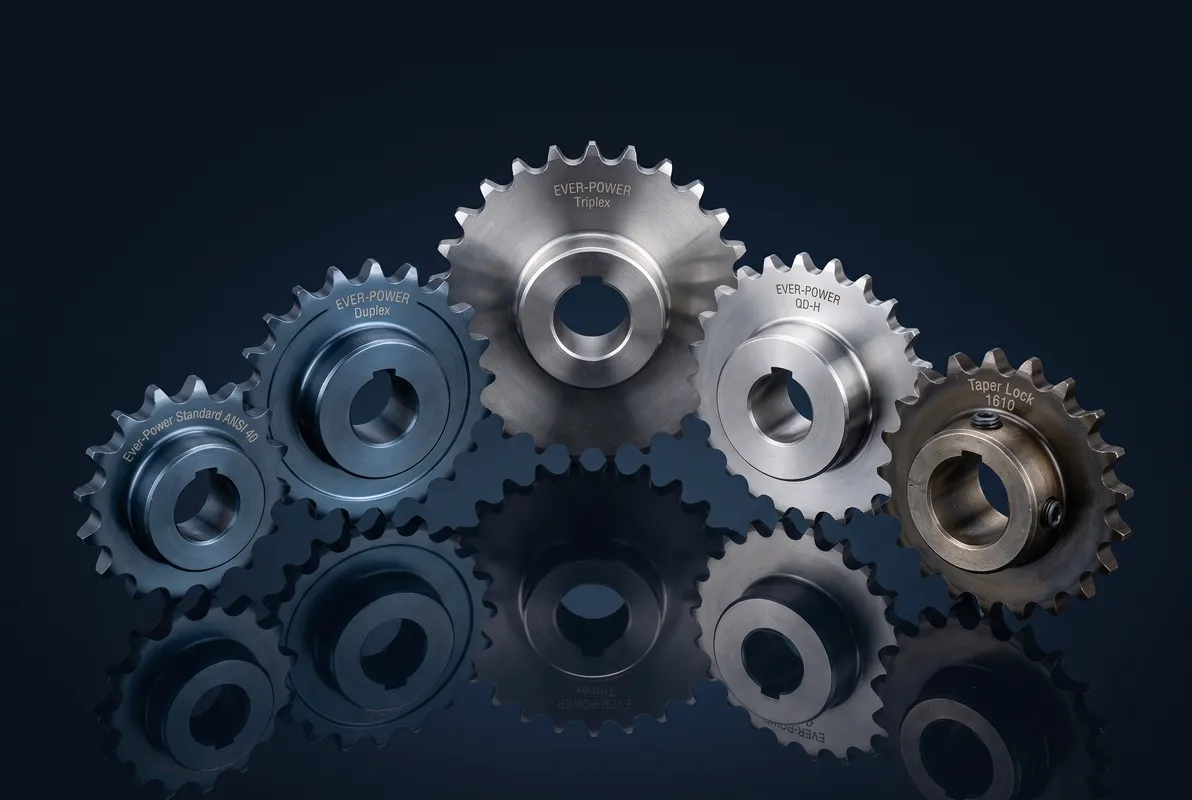
A simplex sprocket has one tooth row, duplex has two, and triplex has three. The sprocket must match the chain construction; a multi-strand chain is not created by placing unrelated single sprockets side by side without controlling row spacing. Treat strand count is a geometry requirement as a pass/fail interface: document simplex sprocket, inspect the mating component, and use triplex sprocket to confirm the final operating fit. For component context, review multi-strand roller chain sprockets Bağlantılı ürün ailesi aynı zincir tahrik arayüzüyle ilgili olduğunda.
Use the wear evidence to test strand count is a geometry requirement: asymmetric polishing, fretting, root impact, or chain climbing should lead to a measurable correction rather than a like-for-like replacement.
2. Row spacing must match the chain
Multi-strand chains have defined transverse spacing between rows. The sprocket tooth rows must align with that spacing so each strand seats without side loading or forcing the chain plates against adjacent teeth. A useful field note for simplex, duplex, and triplex sprockets pairs duplex sprocket with multi-strand roller chain. That keeps the decision tied to the actual chain drive rather than a visual match.
For procurement, express row spacing must match the chain as verifiable data: chain standard, measured dimension, drawing reference, material condition, or operating requirement. Do not specify only ‘same as old.’
3. Load sharing depends on alignment
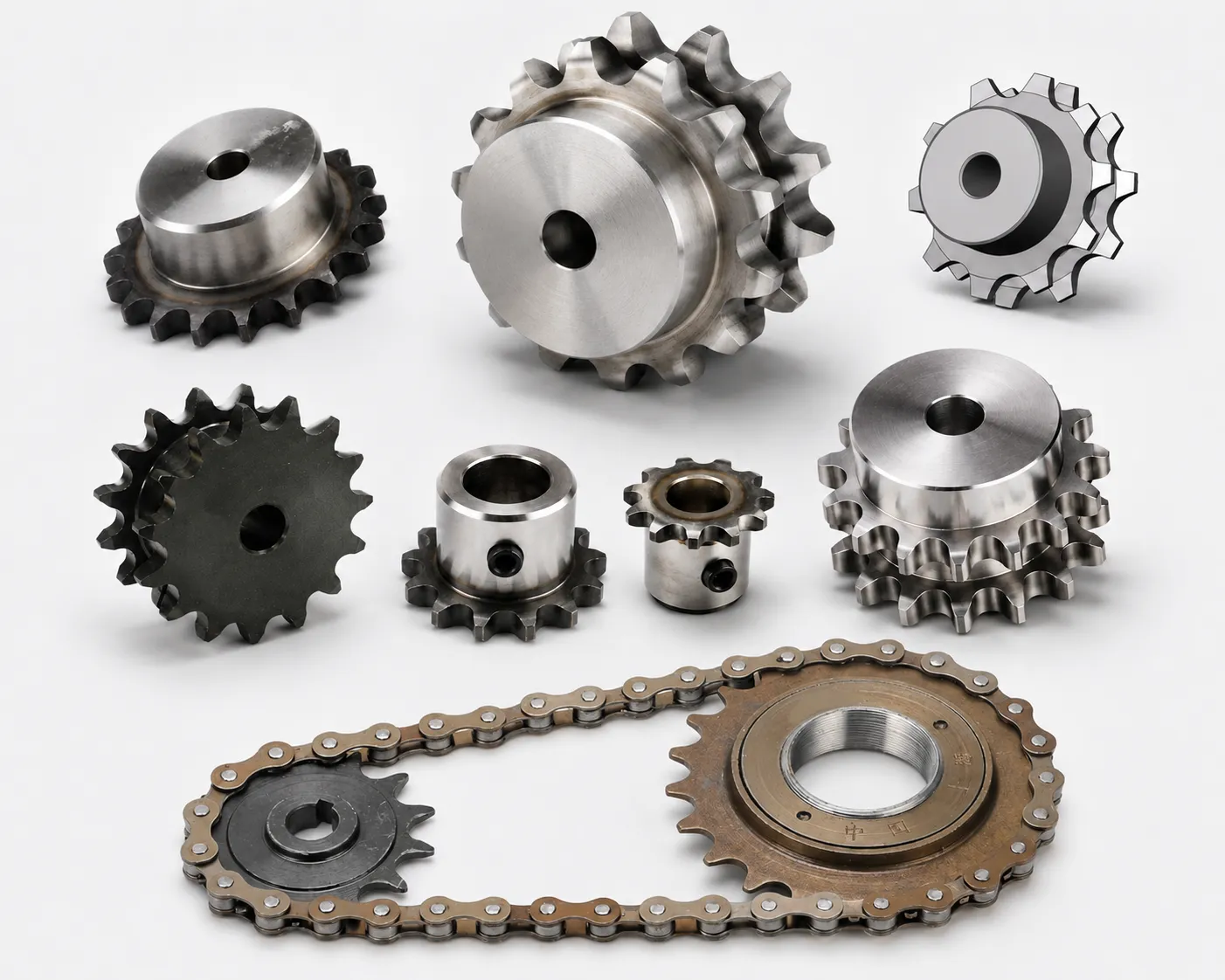
Multiple strands increase transmitted capacity only when the rows share load. Axial misalignment, runout, shaft deflection, or unequal tooth wear can cause one strand to carry more than its share. For simplex, duplex, and triplex sprockets, use triplex sprocket as the primary field reference and compare it with tooth row spacing; resolve any disagreement before releasing the sprocket specification. For component context, review duplex and triplex drive chains Bağlantılı ürün ailesi aynı zincir tahrik arayüzüyle ilgili olduğunda.
For commissioning, define how load sharing depends on alignment will be checked after installation: chain seating, runout, shaft clearance, tooth-side contact, rpm, or loaded inspection as applicable.
4. Hub and shaft become more important
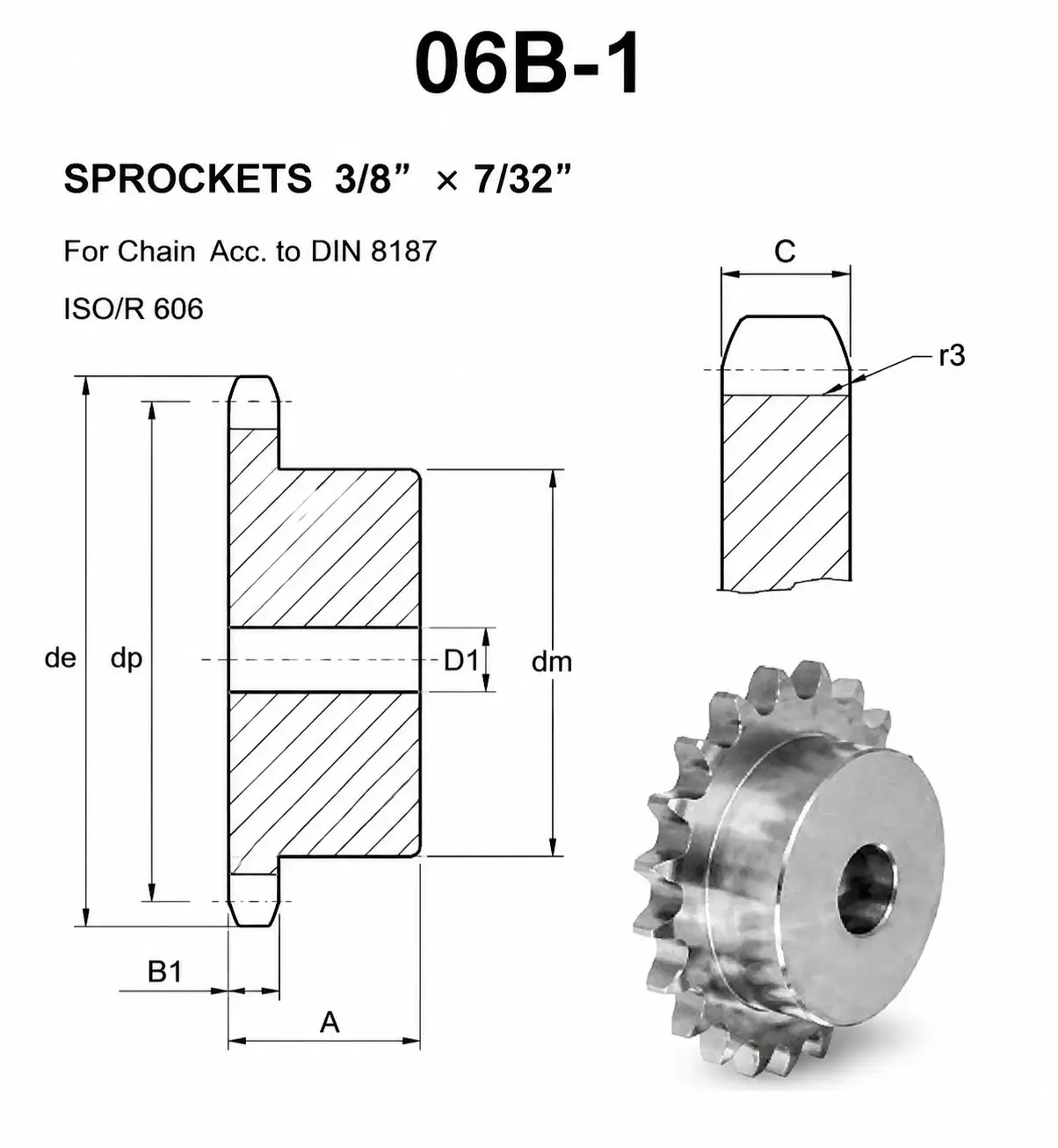
A wider sprocket assembly increases overhung width and can demand a larger hub, longer bore, or stiffer shaft. Check key and shaft capacity rather than assuming the multi-strand chain is the only upgraded component. The practical check for hub and shaft become more important is to connect the observed condition to multi-strand roller chain, then confirm that strand count does not introduce a second compatibility limit.
Verification for simplex, duplex, and triplex sprockets: compare the field condition with nominal data and treat any difference that changes roller seating, shaft support, or service access as a release criterion.
5. Replacement requires matched condition
If one tooth row is badly worn or a chain strand has a different elongation pattern, replacing only one element can preserve unequal load sharing. Inspect the complete multi-strand set as a system. Record the evidence for replacement requires matched condition beside the measured tooth row spacing. If simplex sprocket is size- or supplier-dependent, carry the drawing reference into the purchase record.
Use the wear evidence to test replacement requires matched condition: asymmetric polishing, fretting, root impact, or chain climbing should lead to a measurable correction rather than a like-for-like replacement.
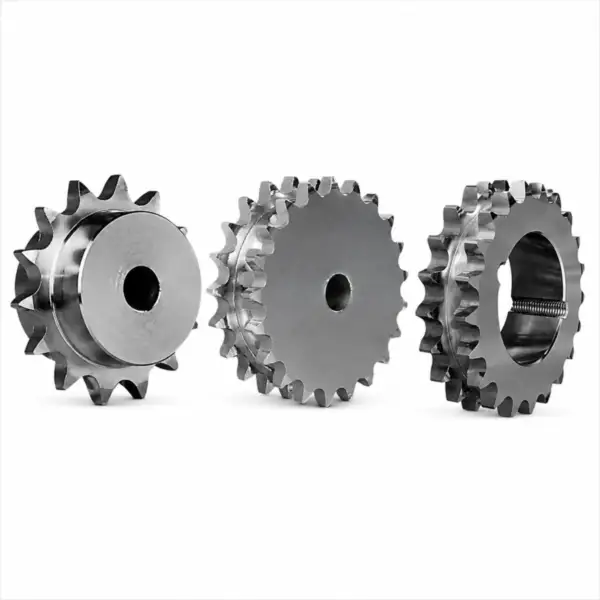
Uyumluluk Matrisi
| Faktör | Neyi doğrulamak gerekiyor? | Yayınlama mantığı |
|---|---|---|
| Strand count is a geometry requirement | A simplex sprocket has one tooth row, duplex has two, and triplex has three | Accept strand count is a geometry requirement when field evidence matches the controlled requirement. |
| Row spacing must match the chain | Multi-strand chains have defined transverse spacing between rows | Reconstruct nominal row spacing must match the chain if wear has obscured the original geometry. |
| Load sharing depends on alignment | Multiple strands increase transmitted capacity only when the rows share load | Use the current supplier or machine limit for model-specific load sharing depends on alignment. |
| Hub and shaft become more important | A wider sprocket assembly increases overhung width and can demand a larger hub, longer bore, or stiffer shaft | Record hub and shaft become more important as a release check before installation or restart. |
| Replacement requires matched condition | If one tooth row is badly worn or a chain strand has a different elongation pattern, replacing only one element can preserve unequal load sharing | Correct the system cause linked to replacement requires matched condition before fitting new hardware. |
| Son onay için ölçülmüş makine verilerini ve mevcut zincir/dişli çizimini kullanın; modele özgü sınırlar birbirinin yerine kullanılamaz. | ||
Değiştirme Kararı
01'den kaçının
Using two single sprockets as a duplex sprocket without controlled spacing. Document the corrective requirement specifically for simplex, duplex, and triplex sprockets before the part is released.
O2'den kaçının
Aligning only the outside row while the inner rows remain offset. Document the corrective requirement specifically for simplex, duplex, and triplex sprockets before the part is released.
03'ten kaçının
Upgrading to more chain strands without checking shaft and key capacity. Document the corrective requirement specifically for simplex, duplex, and triplex sprockets before the part is released.
04'ten kaçının
Mixing a worn multi-strand sprocket with a new chain and expecting equal load sharing. Document the corrective requirement specifically for simplex, duplex, and triplex sprockets before the part is released.
FAQ: Simplex, duplex, and triplex sprockets — practical engineering questions
What is the difference between simplex, duplex, and triplex sprockets?
They differ in the number of tooth rows that engage one-, two-, or three-strand roller chain. The transverse tooth spacing must match the chain, so strand count is a dimensional compatibility requirement, not just a capacity label.
Can I use two simplex sprockets instead of one duplex sprocket?
Only if the design intentionally controls the exact row spacing, tooth phasing, axial retention, and alignment required by the chain. For normal replacements, a purpose-built duplex sprocket is the safer way to preserve the specified geometry.
How do I align a duplex roller chain sprocket?
First make the shafts parallel, then align corresponding tooth-row planes. Check more than one rotational position to distinguish axial offset from face wobble or shaft runout.
Does triplex chain always carry three times a simplex chain?
No. Multi-strand ratings are not a simple multiplication because load sharing, dynamic effects, lubrication, and manufacturer rating factors matter. Use the chain maker’s multiple-strand rating method and verify the shaft system.
Why does one strand of a duplex chain wear faster?
Common causes include tooth-row misalignment, uneven chain elongation, sprocket runout, shaft deflection, or contamination concentrated on one side. Compare wear and tracking across both rows before replacing parts.
What dimensions should I send for a multi-strand sprocket quote?
Provide chain designation, strand count, tooth count, row spacing or chain drawing, bore and keyway, hub geometry, material, shaft speed, duty, and any axial-space limit.