Ambito ingegneristico
Compatibility Snapshot: Engineering-chain and precision roller-chain sprockets
Treat engineering-chain sprockets and precision roller-chain sprockets as different tooth systems; match the actual roller or barrel geometry, pitch, width, and governing chain family. This article concentrates on engineering chain sprocket, roller chain sprocket, tooth geometry, barrel diameter, chain pitch, and sprocket tooth form as field-verifiable decision inputs.
For engineering-chain and precision roller-chain sprockets, keep chain engagement, shaft mounting, operating duty, and maintainability in the same decision record; use the current drawing whenever an exact limit is model-specific.
Riferimento di campo
- Interfaccia catena/dente
- Confirm engineering chain sprocket, roller chain sprocket, and the mating chain dimensions before changing hardware.
- Interfaccia albero/mozzo
- Record tooth geometry and mounting details that control concentricity, axial position, or load transfer.
- Servizio operativo
- Document speed, load, shock, starts/reversals, contamination, washdown, and maintenance access relevant to engineering-chain and precision roller-chain sprockets.
- Registro di verifica
- For engineering-chain and precision roller-chain sprockets, keep measured values, nominal drawing values, wear observations, and the final replacement requirement distinct in the service record.
Principio decisionale
Release engineering-chain and precision roller-chain sprockets from measured interfaces, not appearance.
For engineering-chain and precision roller-chain sprockets, check the chain interface, shaft connection, duty, and installed geometry as separate acceptance items, then reconcile them in the final specification.
1. The chain family defines the tooth form
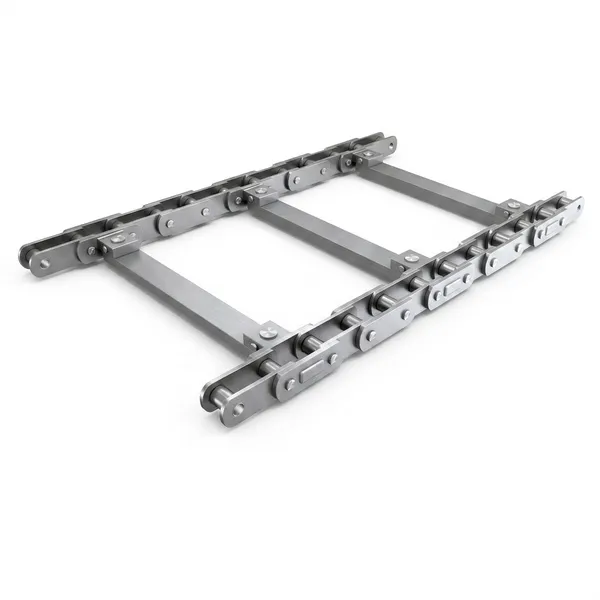
Precision roller chain and engineered conveyor or drive chains can use very different roller, barrel, plate, and attachment geometry. A matching nominal pitch does not prove that one sprocket tooth form will carry the other chain. The practical check for the chain family defines the tooth form is to connect the observed condition to engineering chain sprocket, then confirm that tooth geometry does not introduce a second compatibility limit. For component context, review catene ingegneristiche quando la famiglia di prodotti collegata è pertinente alla stessa interfaccia di trasmissione a catena.
For commissioning, define how the chain family defines the tooth form will be checked after installation: chain seating, runout, shaft clearance, tooth-side contact, rpm, or loaded inspection as applicable.
2. Roller or barrel contact changes the root
The diameter and shape that contacts the tooth root determine seating, pressure distribution, and clearance. Engineering chains may use large rollers, flanged rollers, bush-only joints, or special barrels that require dedicated tooth geometry. Record the evidence for roller or barrel contact changes the root beside the measured roller chain sprocket. If barrel diameter is size- or supplier-dependent, carry the drawing reference into the purchase record.
Verification for engineering-chain and precision roller-chain sprockets: compare the field condition with nominal data and treat any difference that changes roller seating, shaft support, or service access as a release criterion.
3. Width and side clearance are functional
The space between sprocket side faces must clear chain plates, attachments, or roller flanges without allowing excessive side motion. Width should be taken from the chain and sprocket drawing, not inferred from pitch. Treat width and side clearance are functional as a pass/fail interface: document tooth geometry, inspect the mating component, and use chain pitch to confirm the final operating fit. For component context, review industrial chain sprockets quando la famiglia di prodotti collegata è pertinente alla stessa interfaccia di trasmissione a catena.
Use the wear evidence to test width and side clearance are functional: asymmetric polishing, fretting, root impact, or chain climbing should lead to a measurable correction rather than a like-for-like replacement.
4. Conveyor sprockets may include special features
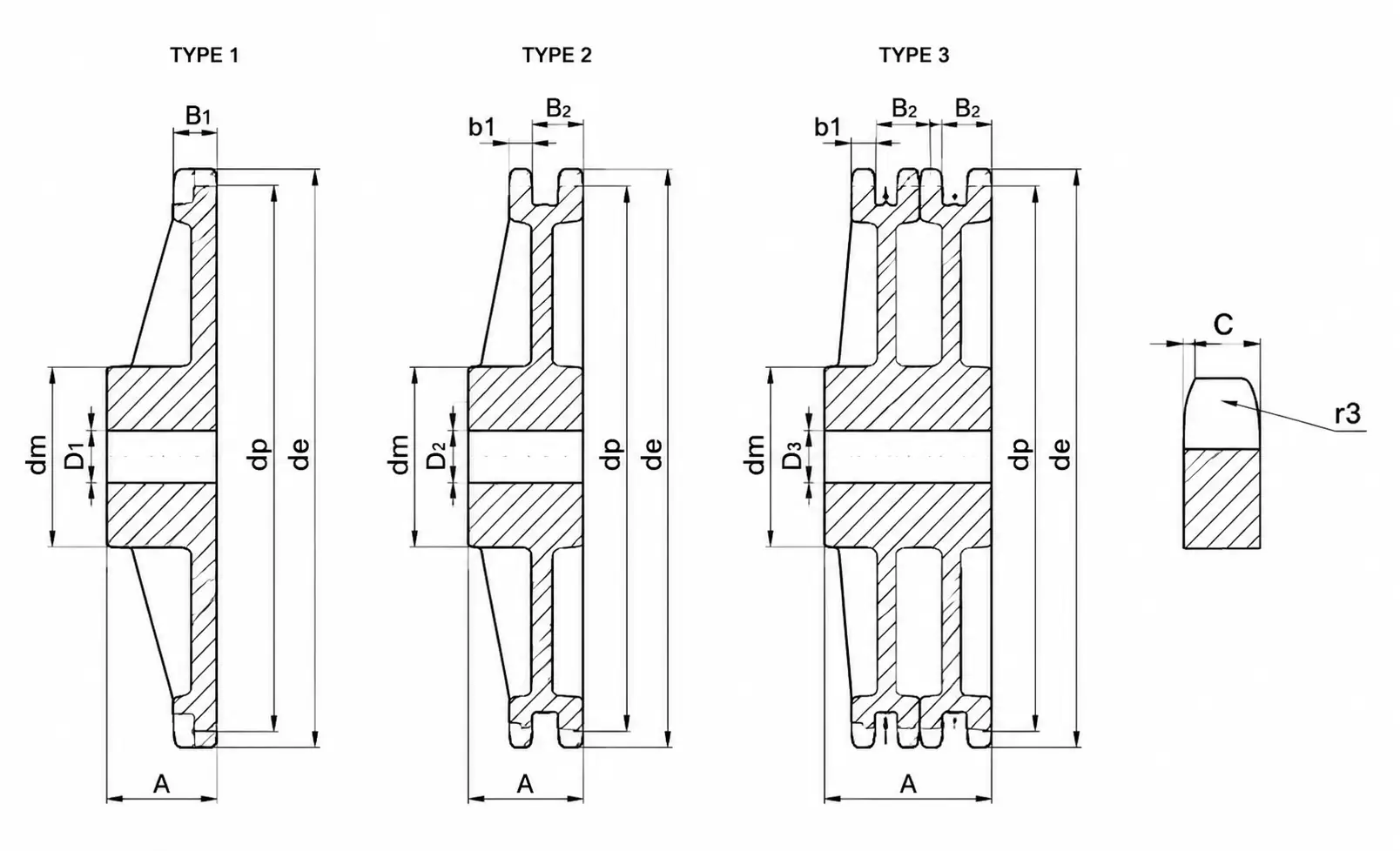
Large engineering-chain sprockets can use flame-cut or machined teeth, replaceable segments, relief pockets, hardened rims, or special hubs. Those features are application decisions rather than precision-roller-chain standards. A useful field note for engineering-chain and precision roller-chain sprockets pairs barrel diameter with sprocket tooth form. That keeps the decision tied to the actual chain drive rather than a visual match.
For procurement, express conveyor sprockets may include special features as verifiable data: chain standard, measured dimension, drawing reference, material condition, or operating requirement. Do not specify only ‘same as old.’
5. Replacement starts with chain identification
When the chain marking is missing, record pitch, roller or barrel diameter, inside width, side-plate form, attachments, pin style, and several sprocket dimensions before selecting a tooth form. For engineering-chain and precision roller-chain sprockets, use chain pitch as the primary field reference and compare it with engineering chain sprocket; resolve any disagreement before releasing the sprocket specification.
For commissioning, define how replacement starts with chain identification will be checked after installation: chain seating, runout, shaft clearance, tooth-side contact, rpm, or loaded inspection as applicable.
Sequenza di verifica
- 1. Identify the chain construction. Photograph the chain and record whether it is precision roller chain, steel bushed chain, conveyor chain, agricultural chain, or another engineered family. Record the result against barrel diameter so the next step starts from measured evidence.
- 2. Measure functional geometry. Measure pitch over several joints, roller or barrel diameter, inside width, attachment clearances, and strand arrangement. Use the current machine drawing when chain pitch is model-specific, and keep the measured value in the service record.
- 3. Document the existing sprocket. Count teeth and record root or caliper diameter, face width, hub, bore, and any replaceable tooth segments or special relief. Before moving on, confirm that sprocket tooth form agrees with the mating chain or shaft interface relevant to this step.
- 4. Check the applicable standard or drawing. Use the chain manufacturer's drawing or the relevant ASME/ISO family to establish the intended tooth form and clearance. Record the result against engineering chain sprocket so the next step starts from measured evidence.
- 5. Inspect wear before copying geometry. Do not reverse-engineer a heavily hooked or worn tooth as if it represented the original profile; compare unworn areas or obtain a reference drawing. Use the current machine drawing when roller chain sprocket is model-specific, and keep the measured value in the service record.
- 6. Release a controlled specification. Put chain family, chain dimensions, tooth count, tooth form reference, material, heat treatment, bore, hub, and runout requirements on the purchase drawing. Before moving on, confirm that tooth geometry agrees with the mating chain or shaft interface relevant to this step.
For engineering-chain and precision roller-chain sprockets, cross-check adjacent drive interfaces with conveyor chain systems prima di rilasciare il registro di installazione o sostituzione.
Matrice di compatibilità
| Fattore | Cosa verificare | Logica di rilascio |
|---|---|---|
| The chain family defines the tooth form | Precision roller chain and engineered conveyor or drive chains can use very different roller, barrel, plate, and attachment geometry | Reconstruct nominal the chain family defines the tooth form if wear has obscured the original geometry. |
| Roller or barrel contact changes the root | The diameter and shape that contacts the tooth root determine seating, pressure distribution, and clearance | Use the current supplier or machine limit for model-specific roller or barrel contact changes the root. |
| Width and side clearance are functional | The space between sprocket side faces must clear chain plates, attachments, or roller flanges without allowing excessive side motion | Record width and side clearance are functional as a release check before installation or restart. |
| Conveyor sprockets may include special features | Large engineering-chain sprockets can use flame-cut or machined teeth, replaceable segments, relief pockets, hardened rims, or special hubs | Correct the system cause linked to conveyor sprockets may include special features before fitting new hardware. |
| Replacement starts with chain identification | When the chain marking is missing, record pitch, roller or barrel diameter, inside width, side-plate form, attachments, pin style, and several sprocket dimensions before selecting a tooth form | Accept replacement starts with chain identification when field evidence matches the controlled requirement. |
| Per l'accettazione finale, utilizzare i dati misurati dalla macchina e il disegno aggiornato della catena/pignone; i limiti specifici del modello non sono intercambiabili. | ||
Decisione di sostituzione
Evitare 01
Ordering by pitch alone when the roller or barrel diameter differs. Document the corrective requirement specifically for engineering-chain and precision roller-chain sprockets before the part is released.
Evitare l'ossigeno
Copying a worn tooth profile into a replacement drawing. Document the corrective requirement specifically for engineering-chain and precision roller-chain sprockets before the part is released.
Evitare 03
Using precision roller-chain tooth width for a flanged engineering-chain roller. Document the corrective requirement specifically for engineering-chain and precision roller-chain sprockets before the part is released.
Evitare 04
Ignoring attachments that need clearance around the sprocket rim. Document the corrective requirement specifically for engineering-chain and precision roller-chain sprockets before the part is released.
Verifica incrociata della configurazione: usa questo engineering sprocket options only to compare common construction terminology for engineering-chain and precision roller-chain sprockets; release the part from the actual chain, shaft, and controlled drawing.
FAQ: Engineering-chain and precision roller-chain sprockets — practical engineering questions
Can an engineering chain run on a standard roller chain sprocket?
Only when the chain and sprocket are specifically dimensioned to the same tooth interface. Many engineering chains use different roller, barrel, width, or tooth-form requirements, so nominal pitch alone is not enough.
What is different about an engineering chain sprocket tooth?
The tooth root, flank, width, and clearance are designed around the engineering chain's roller or barrel geometry and duty. Large conveyor sprockets may also use special relief, segmentation, or hardening.
How do I identify an unknown engineering chain sprocket?
Measure chain pitch, roller or barrel diameter, inside width, attachments, and sprocket tooth count and root geometry. Use those dimensions to locate the chain family or obtain a manufacturer drawing.
Why does a same-pitch chain ride high on the sprocket teeth?
The roller diameter or tooth profile may not match, or the chain may be elongated. Compare the chain dimensions and sprocket series before adjusting tension.
Can I copy the tooth profile from a worn conveyor sprocket?
No. Wear can hook the working flank and enlarge the apparent pitch contact. Use an unworn reference, chain standard, or original drawing to reconstruct the intended tooth form.
What should a heavy-duty engineering sprocket specification include?
Include chain series and drawing, pitch, roller or barrel geometry, tooth count, face and side clearances, hub and shaft interface, material, tooth treatment, replaceable segment details, runout requirements, and operating duty.