Tekninen laajuus
Application Snapshot: Heavy-duty sprockets for engineering-chain conveyors
Design heavy-duty engineering sprockets around the chain drawing, barrel or roller contact, high chain pull, tooth material, replaceable segments, shaft torque, contamination, and planned maintenance method. This article concentrates on heavy duty sprocket, engineering chain conveyor, replaceable sprocket segments, chain pull, barrel diameter, and tooth material as field-verifiable decision inputs.
For heavy-duty sprockets for engineering-chain conveyors, keep chain engagement, shaft mounting, operating duty, and maintainability in the same decision record; use the current drawing whenever an exact limit is model-specific.
Kenttäviite
- Ketjun/hampaan rajapinta
- Confirm heavy duty sprocket, engineering chain conveyor, and the mating chain dimensions before changing hardware.
- Akselin/navan liitoskohta
- Record replaceable sprocket segments and mounting details that control concentricity, axial position, or load transfer.
- Käyttötehtävä
- Document speed, load, shock, starts/reversals, contamination, washdown, and maintenance access relevant to heavy-duty sprockets for engineering-chain conveyors.
- Vahvistustiedot
- For heavy-duty sprockets for engineering-chain conveyors, keep measured values, nominal drawing values, wear observations, and the final replacement requirement distinct in the service record.
Päätösperiaate
Release heavy-duty sprockets for engineering-chain conveyors from measured interfaces, not appearance.
For heavy-duty sprockets for engineering-chain conveyors, check the chain interface, shaft connection, duty, and installed geometry as separate acceptance items, then reconcile them in the final specification.
Hakemuksen tarkistusjärjestys
- 1. Collect chain drawing and duty data. Record pitch, roller/barrel, width, attachments, working pull, starting pull, speed, direction, and jam or shock history. Before moving on, confirm that chain pull agrees with the mating chain or shaft interface relevant to this step.
- 2. Measure the shaft system. Record shaft diameter, key or spline, bearing spacing, hub position, allowable overhang, and any observed deflection or fretting. Record the result against barrel diameter so the next step starts from measured evidence.
- 3. Choose sprocket construction. Compare one-piece, split, segmental, fabricated, cast, and machined options for load, precision, field access, and replacement strategy. Use the current machine drawing when tooth material is model-specific, and keep the measured value in the service record.
- 4. Select rim material. Use wear history and contamination to define steel grade, tooth hardening, corrosion protection, or replaceable wear segments. Before moving on, confirm that heavy duty sprocket agrees with the mating chain or shaft interface relevant to this step.
- 5. Define inspection datums. Specify bore, pilot, tooth-row, segment-joint, radial-runout, and face-runout references on the drawing. Record the result against engineering chain conveyor so the next step starts from measured evidence.
- 6. Plan segment replacement. If segments are used, define matched sets, bolt procedure, cleaning, runout check, chain condition check, and how replacement wear is recorded. Use the current machine drawing when replaceable sprocket segments is model-specific, and keep the measured value in the service record.
For heavy-duty sprockets for engineering-chain conveyors, cross-check adjacent drive interfaces with industrial conveyor chains ennen asennus- tai korvaustietueen julkaisemista.
1. Use the engineering chain drawing as the starting geometry
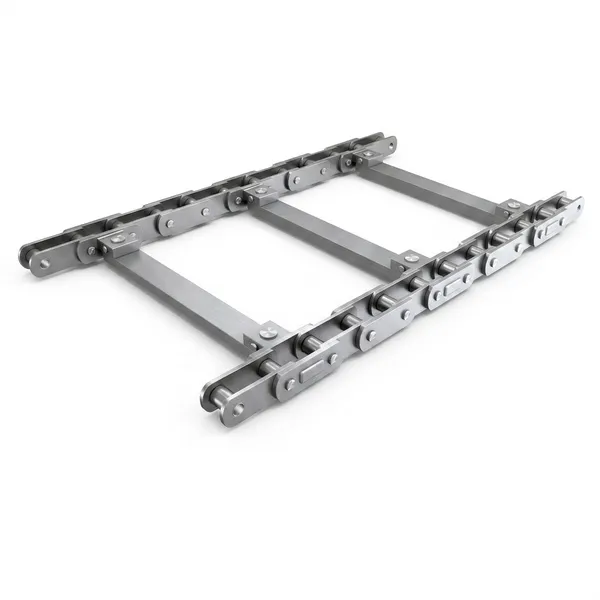
Large conveyor chains can use bush, roller, flanged-roller, or special barrel arrangements. Tooth form and face clearance must be matched to that geometry. Treat use the engineering chain drawing as the starting geometry as a pass/fail interface: document heavy duty sprocket, inspect the mating component, and use replaceable sprocket segments to confirm the final operating fit. For component context, review heavy-duty engineering chains kun linkitetty tuoteperhe on relevantti samalle ketjukäyttöliittymälle.
Use the wear evidence to test use the engineering chain drawing as the starting geometry: asymmetric polishing, fretting, root impact, or chain climbing should lead to a measurable correction rather than a like-for-like replacement.
2. High chain pull demands a complete shaft check
Bore, key, hub, shaft diameter, bearing spacing, and shaft deflection can be the limiting elements. Sprocket rim strength alone is not a complete heavy-duty design. A useful field note for heavy-duty sprockets for engineering-chain conveyors pairs engineering chain conveyor with chain pull. That keeps the decision tied to the actual chain drive rather than a visual match.
For procurement, express high chain pull demands a complete shaft check as verifiable data: chain standard, measured dimension, drawing reference, material condition, or operating requirement. Do not specify only ‘same as old.’
3. Replaceable segments can isolate the wear part
Segmental teeth or rims let maintenance renew the engagement surface without removing a large hub from the shaft. Joint design, bolt access, concentric pilot, and matched segment sets are critical. For heavy-duty sprockets for engineering-chain conveyors, use replaceable sprocket segments as the primary field reference and compare it with barrel diameter; resolve any disagreement before releasing the sprocket specification. For component context, review heavy-duty conveyor sprockets kun linkitetty tuoteperhe on relevantti samalle ketjukäyttöliittymälle.
For commissioning, define how replaceable segments can isolate the wear part will be checked after installation: chain seating, runout, shaft clearance, tooth-side contact, rpm, or loaded inspection as applicable.
4. Material and hardening follow the wear mechanism
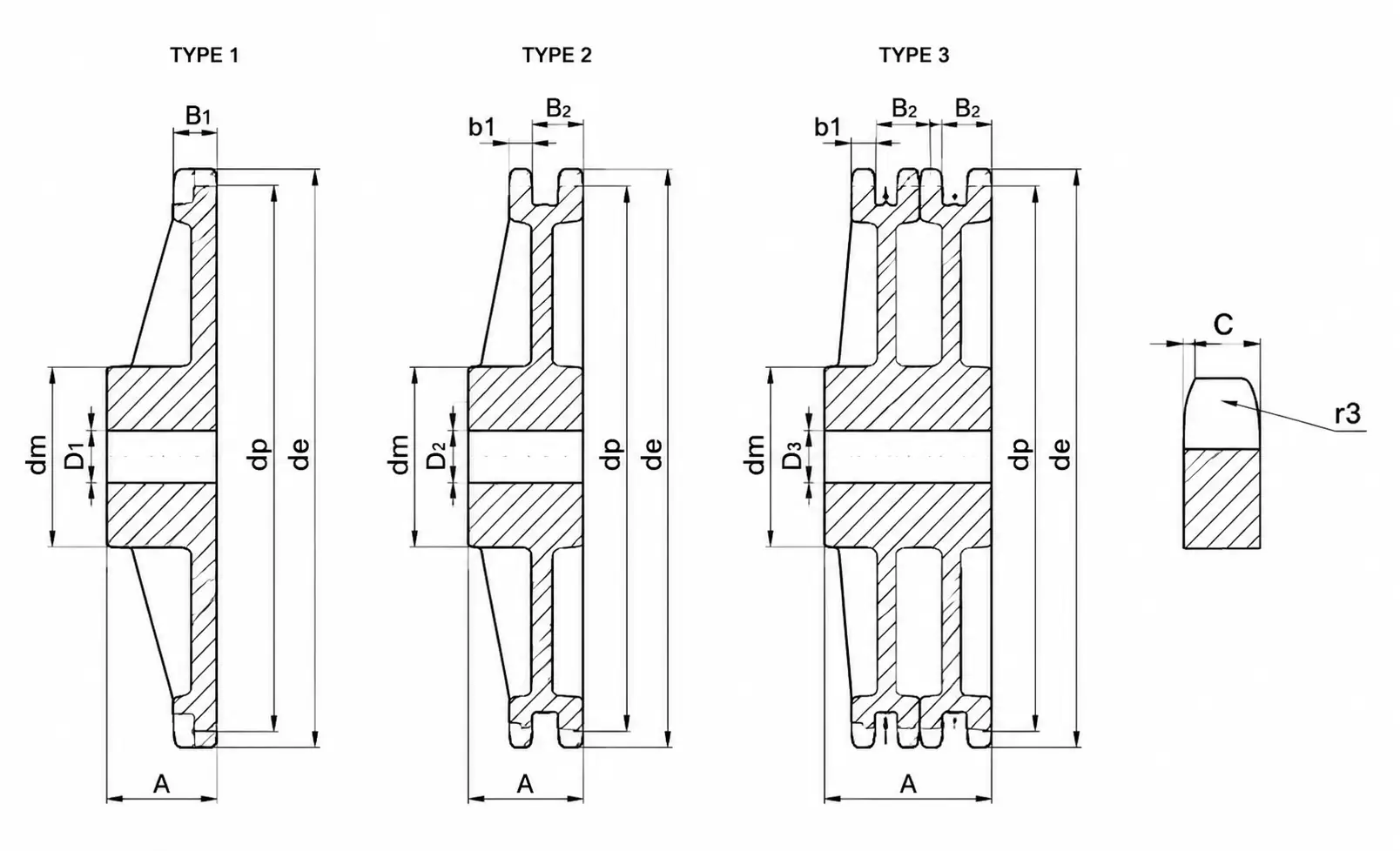
Abrasive fines, shock, corrosion, and high contact cycles point to different steel grades, heat treatments, or replaceable rim strategies. Avoid selecting hardness independently from toughness. The practical check for material and hardening follow the wear mechanism is to connect the observed condition to chain pull, then confirm that tooth material does not introduce a second compatibility limit.
Verification for heavy-duty sprockets for engineering-chain conveyors: compare the field condition with nominal data and treat any difference that changes roller seating, shaft support, or service access as a release criterion.
5. Root clearance and material buildup matter
Bulk solids can pack into deep tooth roots and alter roller seating. Cleaning access or relief features should be considered with the chain and material flow. Record the evidence for root clearance and material buildup matter beside the measured barrel diameter. If heavy duty sprocket is size- or supplier-dependent, carry the drawing reference into the purchase record.
Use the wear evidence to test root clearance and material buildup matter: asymmetric polishing, fretting, root impact, or chain climbing should lead to a measurable correction rather than a like-for-like replacement.
Sovellusmatriisi
| Tekijä | Mitä varmistaa | Vapautuslogiikka |
|---|---|---|
| Use the engineering chain drawing as the starting geometry | Large conveyor chains can use bush, roller, flanged-roller, or special barrel arrangements | Accept use the engineering chain drawing as the starting geometry when field evidence matches the controlled requirement. |
| High chain pull demands a complete shaft check | Bore, key, hub, shaft diameter, bearing spacing, and shaft deflection can be the limiting elements | Reconstruct nominal high chain pull demands a complete shaft check if wear has obscured the original geometry. |
| Replaceable segments can isolate the wear part | Segmental teeth or rims let maintenance renew the engagement surface without removing a large hub from the shaft | Use the current supplier or machine limit for model-specific replaceable segments can isolate the wear part. |
| Material and hardening follow the wear mechanism | Abrasive fines, shock, corrosion, and high contact cycles point to different steel grades, heat treatments, or replaceable rim strategies | Record material and hardening follow the wear mechanism as a release check before installation or restart. |
| Root clearance and material buildup matter | Bulk solids can pack into deep tooth roots and alter roller seating | Correct the system cause linked to root clearance and material buildup matter before fitting new hardware. |
| Käytä lopullista hyväksyntää varten mitattuja konetietoja ja nykyistä ketju-/rattaan piirustusta; mallikohtaiset rajat eivät ole keskenään vaihdettavissa. | ||
Teknisten tietojen tarkistus
Vältä 01
Using precision roller-chain tooth form for a large engineering chain. Document the corrective requirement specifically for heavy-duty sprockets for engineering-chain conveyors before the part is released.
Vältä 02
Designing replaceable segments without a concentric locating feature. Document the corrective requirement specifically for heavy-duty sprockets for engineering-chain conveyors before the part is released.
Vältä 03
Increasing tooth hardness without checking impact toughness. Document the corrective requirement specifically for heavy-duty sprockets for engineering-chain conveyors before the part is released.
Vältä 04
Ignoring shaft deflection and assuming sprocket alignment is static. Document the corrective requirement specifically for heavy-duty sprockets for engineering-chain conveyors before the part is released.
Konfiguraation ristiintarkistus: käytä tätä heavy-duty sprocket configurations only to compare common construction terminology for heavy-duty sprockets for engineering-chain conveyors; release the part from the actual chain, shaft, and controlled drawing.
FAQ: Heavy-duty sprockets for engineering-chain conveyors — practical engineering questions
What makes an engineering chain sprocket heavy duty?
It is not just thickness. Heavy-duty design considers chain geometry, working and starting pull, shaft and hub strength, tooth material and treatment, contamination, alignment, and a serviceable replacement strategy.
When should I use replaceable sprocket segments?
They are attractive when the tooth rim wears faster than the hub and complete shaft disassembly is expensive. The segment joints and pilots must preserve tooth spacing and concentricity.
Do engineering conveyor sprockets need hardened teeth?
Sometimes. Abrasive or high-cycle wear can justify hardening, while severe shock may require careful toughness control. Base the choice on actual wear and material data.
How do I match a heavy-duty sprocket to engineering chain?
Use the exact chain drawing: pitch, roller or barrel, width, attachments, and tooth-form requirements. Do not select by pitch alone.
Why do large conveyor sprocket roots fill with material?
Bulk product can be carried into the mesh and trapped by the chain geometry. Buildup prevents full roller seating and can raise impact load; provide cleaning and inspect root condition.
What information should be on a heavy-duty sprocket drawing?
Include chain reference, tooth form, tooth count, rim dimensions, material and heat treatment, hub and shaft interface, segment joints if used, runout datums, clearances, and operating chain pull and environment.