The old chain is evidence for choose chain tensioner take-up, but wear, previous substitutions, or maintenance changes can make it a poor master. A defensible service replacement starts from installation duty and uses the worn assembly only as one source of dimensional information.
Determine whether adjustment should move a shaft, an idler sprocket, or a guide shoe; the best method depends on machine layout, available stroke, drive direction, and maintenance access. Then long spans need enough take-up travel for installation tolerance and wear elongation while maintaining acceptable wrap and preventing the slack strand from striking guards or structure. Those two checks define why chain tensioner and take-up belong in the same specification rather than being collected by separate teams after an order is placed.
For choose chain tensioner take-up, any numeric limit tied to slack span or idler sprocket must come from the applicable chain-series or equipment documentation; the sections below focus on how to obtain and interpret the engineering inputs.
- Pangunang desisyon
- Choose chain take-up by span length, drive orientation, reversal, load, wear compensation, wrap, and maintenance access
- Unang ebidensya
- chain tensioner
- Interface sa pagpares
- long center distance
- Pagsusi sa pagpagawas
- idler sprocket reconciled with the selected product and machine data.
Confirm chain tensioner, long center distance, and the mating geometry first; a failure here eliminates the candidate regardless of price.
Then compare take-up, slack span, and idler sprocket with duty, environment, and service access before release.
1. Ipasabot ang Operating Duty
Determine whether adjustment should move a shaft, an idler sprocket, or a guide shoe; the best method depends on machine layout, available stroke, drive direction, and maintenance access
Choose the adjustment architecture before choosing the tensioner hardware. A movable driven shaft can preserve direct chain engagement, an idler sprocket can redirect the slack span, and a guide shoe can support long sag where its use is permitted. Compare available space, adjustment stroke, access for maintenance, drive direction, guarding, and whether moving the shaft would disturb another alignment or coupling. The industrial drive chains category is the product route once chain tensioner and take-up are known.
2. Ihubad ang Katungdanan Ngadto sa mga Kinahanglanon sa Kadena
Long spans need enough take-up travel for installation tolerance and wear elongation while maintaining acceptable wrap and preventing the slack strand from striking guards or structure
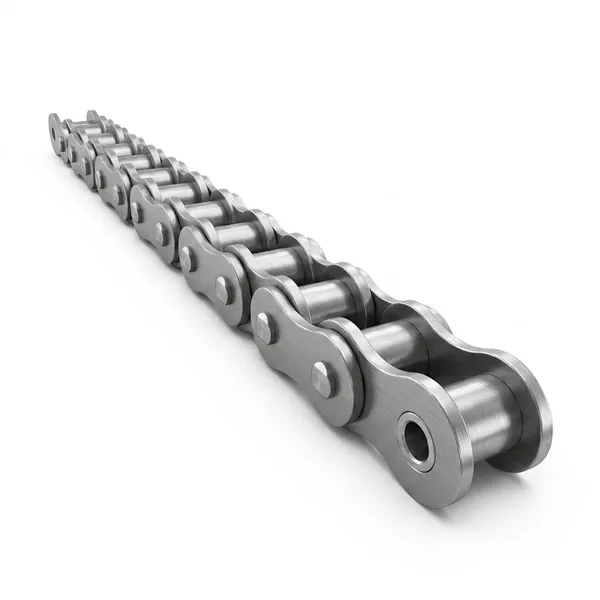
Long center distances magnify slack-span movement and make take-up travel a design variable. Establish the installed chain length tolerance, expected wear take-up range, minimum required wrap on the working sprockets, and clearance to guards or structure. The goal is controlled slack, not a drum-tight chain. Reserve enough usable adjustment that a new chain can be installed without starting the take-up at the end of its travel.
3. Susiha ang Geometry ug ang mga Mating Component
Reversing drives require tension control that works when the tight and slack sides swap; a one-sided gravity take-up may not control both directions adequately
A reversing chain drive swaps the tight and slack sides, so a device that controls only one span in forward rotation may become ineffective after reversal. Trace both torque directions and identify where slack moves in each case. Check whether a spring, dual-sided arrangement, movable shaft, or another approved method is required. Do not assume a gravity idler that works on a one-way conveyor will stabilize a reversing drive. Once long center distance is documented for choose chain tensioner take-up, the mga sprocket sa roller chain Ang panid naghatag sa katugbang nga kategorya.
If long center distance agrees with released reference but idler sprocket does not, treat choose chain tensioner take-up as an interface problem and survey the mating hardware in advance of changing chain size. If both agree yet the symptom remains, move upstream to load, alignment, lubrication, or support conditions. Numeric limits that belong to one series stay with that series.
4. Disenyo para sa Kalikopan ug Lubrication
An idler sprocket must match chain pitch and provide suitable engagement, while a sliding shoe must use a compatible wear material and contact the chain where the manufacturer permits
If an idler sprocket is used, it must match chain pitch and strand arrangement and should engage where the machine design permits without creating an excessively sharp reverse bend. Verify tooth condition, bearing support, lateral alignment, and the amount of engagement throughout the adjustment stroke. A sliding shoe needs a chain-compatible wear surface, adequate length, and a contact location approved for the chain construction and direction of travel. For a broader component comparison, use the industrial chain selection resource only after idler sprocket is verified.
| Susiha | Kamahinungdanon sa inhenyeriya | Pamaagi sa pag-verify |
|---|---|---|
| Chain Tensioner | determine whether adjustment should move a shaft, an idler sprocket, or a guide shoe; the best method depends on machine layout, available stroke, drive direction, and maintenance access | Verify chain tensioner from a named datum or approved source, then reconcile take-up for choose chain tensioner take-up ahead of release. |
| Take-Up | long spans need enough take-up travel for installation tolerance and wear elongation while maintaining acceptable wrap and preventing the slack strand from striking guards or structure | Verify take-up from a named datum or approved source, then reconcile long center distance for choose chain tensioner take-up before release. |
| Long Center Distance | reversing drives require tension control that works when the tight and slack sides swap; a one-sided gravity take-up may not control both directions adequately | Verify long center distance from a named datum or approved source, then reconcile slack span for choose chain tensioner take-up in advance of release. |
| Slack Span | an idler sprocket must match chain pitch and provide suitable engagement, while a sliding shoe must use a compatible wear material and contact the chain where the manufacturer permits | Verify slack span from a named datum or approved source, then reconcile idler sprocket for choose chain tensioner take-up before release. |
| Ganghaan sa Pagpagawas | Approve choose chain tensioner take-up only after field evidence, mating geometry, and the selected chain data agree. | |
Send chain tensioner, long center distance, the mating-component condition, duty, and photographs of the measured references so the open interface can be reviewed before ordering.
5. Itandi ang mga Sangputanan sa Pagmentinar ug Pagkapakyas
Avoid using a tensioner to mask gross shaft misalignment, eccentric sprockets, wrong chain length, or excessive wear; correct those conditions before setting take-up
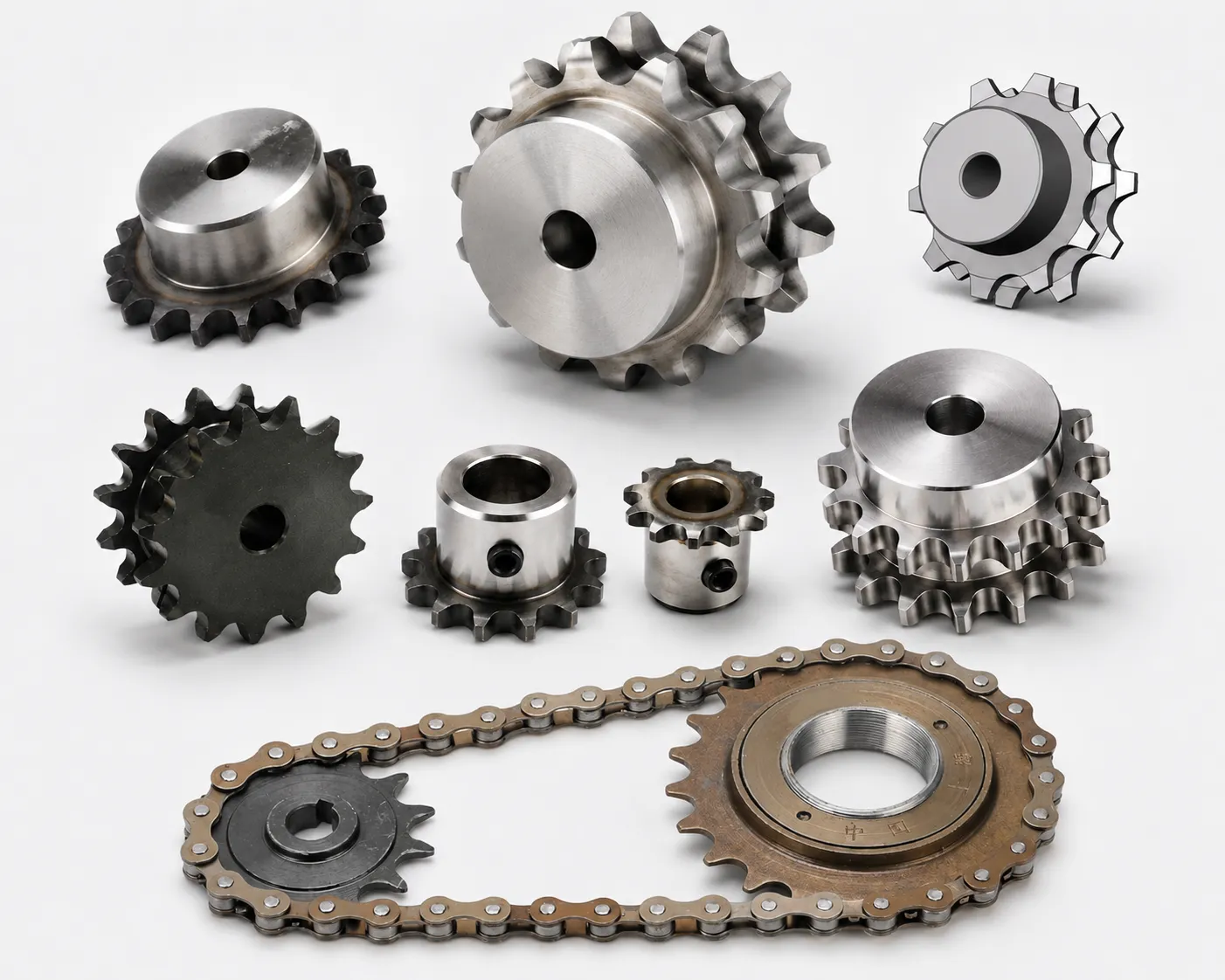
A tensioner cannot repair incorrect geometry. Before adding take-up force, check shaft parallelism, sprocket runout, sprocket tooth condition, chain pitch and length, and whether wear is already beyond the equipment criterion. Excessive tension used to suppress noise or jumping transfers load into bearings and joints and may accelerate wear. Correct misalignment, eccentricity, or wrong chain length first; then set the adjustment device for its intended control function. With choose chain tensioner take-up duty fixed, review the mechanical transmission components mga opsyon nga mohaom niini nga interface.
6. Ipagawas ang Espesipikasyon Uban sa Ebidensya
Record new-chain tensioner position and available stroke, then trend position with chain elongation so the take-up becomes an inspection indicator rather than only an adjustment device
Record the tensioner or take-up position when a new chain is commissioned and mark the usable remaining stroke. During later inspections, trend that position with measured chain elongation, sprocket condition, and slack behavior. A rapid change in take-up position can signal wear, seating, or a mechanical shift. The trend is more useful than repeatedly moving the device to the same visual sag without documenting how much adjustment has been consumed.
Field Example: Turning Choose Chain Tensioner Take-up Into a Release Decision
A buyer and technician can make choose chain tensioner take-up auditable by walking the drive together before the request for quotation is issued. Determine whether adjustment should move a shaft, an idler sprocket, or a guide shoe; the best method depends on drive layout, available stroke, drive direction, and maintenance access. Next, the team checks take-up and long center distance while the relevant mating hardware is exposed. The sequence matters: it establishes function and geometry before a catalogue size is allowed to influence the decision.
The service-side review then applies two different questions. First, an idler sprocket must match chain pitch and provide suitable engagement, while a sliding shoe must use a compatible wear material and contact the chain where the manufacturer permits. Second, avoid using a tensioner to mask gross shaft misalignment, eccentric sprockets, wrong chain length, or excessive wear; correct those conditions in advance of setting take-up. The team records slack span with the environment and maintenance access instead of treating it as a later service issue. That makes the specification usable by both procurement and maintenance.
Release follows only subsequent to register new-chain tensioner position and available stroke, then trend position with chain elongation so the take-up becomes an inspection indicator rather than only an adjustment device. The choose chain tensioner take-up work order keeps chain tensioner, long center distance, idler sprocket, interface photographs, and the controlled document used for any series-specific limit.
Choose Chain Tensioner Take-up Release Checklist
- Determine whether adjustment should move a shaft, an idler sprocket, or a guide shoe; the best method depends on installation layout, available stroke, drive direction, and maintenance access. Document the evidence for chain tensioner with a named reference.
- Long spans need enough take-up travel for installation tolerance and wear elongation while maintaining acceptable wrap and preventing the slack strand from striking guards or structure. Keep the take-up observation with the choose chain tensioner take-up work order.
- Reversing drives require tension control that works when the tight and slack sides swap; a one-sided gravity take-up may not control both directions adequately. Use the applicable product criterion when long center distance needs a numeric limit.
- An idler sprocket must match chain pitch and provide suitable engagement, while a sliding shoe must use a compatible wear material and contact the chain where the product maker permits. Reconcile slack span with the mating hardware before release.
- Avoid using a tensioner to mask gross shaft misalignment, eccentric sprockets, wrong chain length, or excessive wear; correct those conditions in advance of setting take-up. Repeat the idler sprocket verify where position or wear can change the result.
- Register new-chain tensioner position and available stroke, then trend position with chain elongation so the take-up becomes an inspection indicator rather than only an adjustment device. Archive chain tensioner with the chain identity and equipment duty.
Choose Chain Tensioner Take-up FAQ
How do I choose or verify chain tensioner for choose chain tensioner take-up?
For choose chain tensioner take-up, the first review is chain tensioner. Determine whether adjustment should move a shaft, an idler sprocket, or a guide shoe; the best method depends on installation layout, available stroke, drive direction, and maintenance access. For lifting or other safety-critical duty, the equipment-specific inspection and release method governs.
What machine data is needed before checking take-up?
With choose chain tensioner take-up, judge take-up in its real service state. Long spans need enough take-up travel for installation tolerance and wear elongation while maintaining acceptable wrap and preventing the slack strand from striking guards or structure. Include the mating sprocket, sheave, guide, or attachment whenever slack span is part of the load path.
How do I know whether long center distance is compatible with the existing system?
For this choose chain tensioner take-up question, verify long center distance and idler sprocket together. Reversing drives require tension control that works when the tight and slack sides swap; a one-sided gravity take-up may not control both directions adequately. If a numeric limit is needed for idler sprocket, use the product-specific equipment or chain-series criterion.
Can I select a replacement by slack span alone?
On choose chain tensioner take-up, appearance alone cannot establish slack span. An idler sprocket must match chain pitch and provide suitable engagement, while a sliding shoe must use a compatible wear material and contact the chain where the product maker permits. If the slack span evidence conflicts with chain tensioner, resolve the interface before purchasing the replacement item.
When does idler sprocket become the limiting factor for choose chain tensioner take-up?
A defensible choose chain tensioner take-up answer begins with measured idler sprocket. Avoid using a tensioner to mask gross shaft misalignment, eccentric sprockets, wrong chain length, or excessive wear; correct those conditions in advance of setting take-up. Keep the idler sprocket reading with the maintenance note so future inspections can trend change.
What should be documented before releasing a choose chain tensioner take-up replacement order?
Before releasing choose chain tensioner take-up, document chain tensioner and long center distance. Register new-chain tensioner position and available stroke, then trend position with chain elongation so the take-up becomes an inspection indicator rather than only an adjustment device. Subsequent to correction, recheck long center distance under the same permitted process service state used to establish the symptom.
Cxm.