For set chain slack tension, the most expensive mistake is often a mechanical part that fits during assembly but does not fit the running load path. Selection therefore has to connect measured geometry with speed, load, contamination, maintenance access, and the mating sprocket, sheave, guide, or attachment.
Identify the tight and slack spans under the actual drive direction and check whether the drive reverses, is vertical, or uses a tensioner because these arrangements change the adjustment method. Then measure slack or deflection at the specified span and reference condition rather than pulling the chain tight by feel; new roller chain needs operating clearance for articulation and thermal effects. Those two checks define why chain slack and chain tension belong in the same specification rather than being collected by separate teams after an order is placed.
For set chain slack tension, any numeric limit tied to catenary sag or take-up must come from the applicable chain-series or equipment documentation; the sections below focus on how to obtain and interpret the engineering inputs.
- Primarna odluka
- Set chain slack by the machine geometry and manufacturer procedure while preserving engagement and avoiding excessive shaft bearing load
- Prvi dokaz
- chain slack
- Interfejs za sparivanje
- bearing load
- Provjera izdanja
- take-up reconciled with the selected product and machine data.
Look for change in chain slack, noise, lubricant condition, and visible tracking.
Measure chain tension and document catenary sag with the same reference method.
Inspect bearing load, take-up, shafts, guides, and guards before deciding repair versus replacement.
1. Set a Repeatable Inspection Baseline
Identify the tight and slack spans under the actual drive direction and check whether the drive reverses, is vertical, or uses a tensioner because these arrangements change the adjustment method
Preserve chain slack on set chain slack tension with take-up position and installation state. A setting that looks acceptable on an unloaded horizontal run may change under temperature, product load, reversal, or vertical duty, so verify chain tension and the approved adjustment method before tightening. Once chain slack is documented for set chain slack tension, the roller chain selection stranica nudi odgovarajuću kategoriju.
2. Inspect the Chain Joints and Mating Parts
Measure slack or deflection at the specified span and reference condition rather than pulling the chain tight by feel; new roller chain needs operating clearance for articulation and thermal effects
For set chain slack tension, the engineering mechanism links chain tension with catenary sag. Geometry determines where contact occurs, duty determines how often and how heavily it is loaded, and environment changes friction or material state. Keep those three parts together during selection or diagnosis.
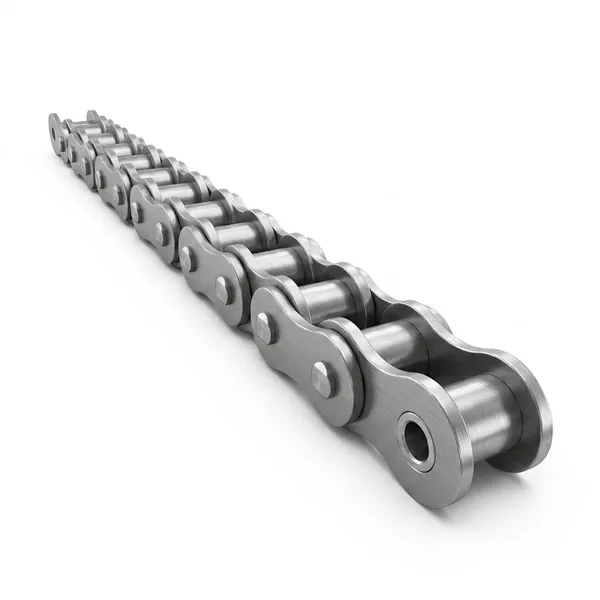
3. Control Lubrication and Contamination
Over-tension adds static load to shaft bearings and chain joints, while excessive slack can cause whipping, guide impact, poor wrap, or tooth disengagement
On set chain slack tension, bearing load is credible only when the load case is named. Log normal running, peak or upset conditions, frequency of transients, and the speed at which they occur; pair those observations with catenary sag. Do not substitute minimum tensile strength for an allowable working or fatigue selection method. With set chain slack tension duty fixed, review the industrial sprocket selection opcije koje odgovaraju ovom interfejsu.
Use a two-part release for set chain slack tension: first prove bearing load; then prove take-up. A failure in either step is enough to stop substitution. When both pass, verify free articulation, seating, tracking, and available adjustment on the asset; those observations catch assembly effects that a catalog comparison cannot.
| Provjeri | Inženjerski značaj | Pristup verifikaciji |
|---|---|---|
| Chain Slack | identify the tight and slack spans under the actual drive direction and check whether the drive reverses, is vertical, or uses a tensioner because these arrangements change the adjustment method | Verify chain slack from a named datum or approved source, then reconcile chain tension for set chain slack tension before release. |
| Chain Tension | measure slack or deflection at the specified span and reference condition rather than pulling the chain tight by feel; new roller chain needs operating clearance for articulation and thermal effects | Verify chain tension from a named datum or approved source, then reconcile bearing load for set chain slack tension prior to release. |
| Bearing Load | over-tension adds static load to shaft bearings and chain joints, while excessive slack can cause whipping, guide impact, poor wrap, or tooth disengagement | Verify bearing load from a named datum or approved source, then reconcile catenary sag for set chain slack tension ahead of release. |
| Catenary Sag | use adjustable centers or the intended take-up device within its working range; do not compensate for an exhausted take-up by removing links without checking chain wear and center geometry | Verify catenary sag from a named datum or approved source, then reconcile take-up for set chain slack tension before release. |
| Otpuštajuća kapija | Approve set chain slack tension only after field evidence, mating geometry, and the selected chain data agree. | |
4. Check Alignment, Slack, and Attachments
Use adjustable centers or the intended take-up device within its working range; do not compensate for an exhausted take-up by removing links without checking chain wear and center geometry
The useful release choice for set chain slack tension comes from agreement between catenary sag, chain slack, and equipment behavior. If in-service dimensions and process symptoms point in different directions, establish the mating element and controlled drawing before changing chain size or adjustment. The opcije valjkastih i transportnih lanaca is an optional category reference once the set chain slack tension interface is defined.
Send chain slack, bearing load, the mating-component condition, duty, and photographs of the measured references so the open interface can be reviewed before ordering.
5. Make a Repair-or-Replace Decision
Rotate the drive by hand and check tension at multiple positions because sprocket runout or eccentricity can create a tight spot that is missed at one shaft position
For set chain slack tension, treat take-up as a geometry and load-control variable. Verify the specified span or take-up reference with the drive stationary, note chain orientation and load state, and relate the setting to chain slack; excessive take-up can increase shaft and bearing loads without curing misalignment or wear. For set chain slack tension, use the asortiman komponenti lančanog pogona range only after take-up passes the machine check.
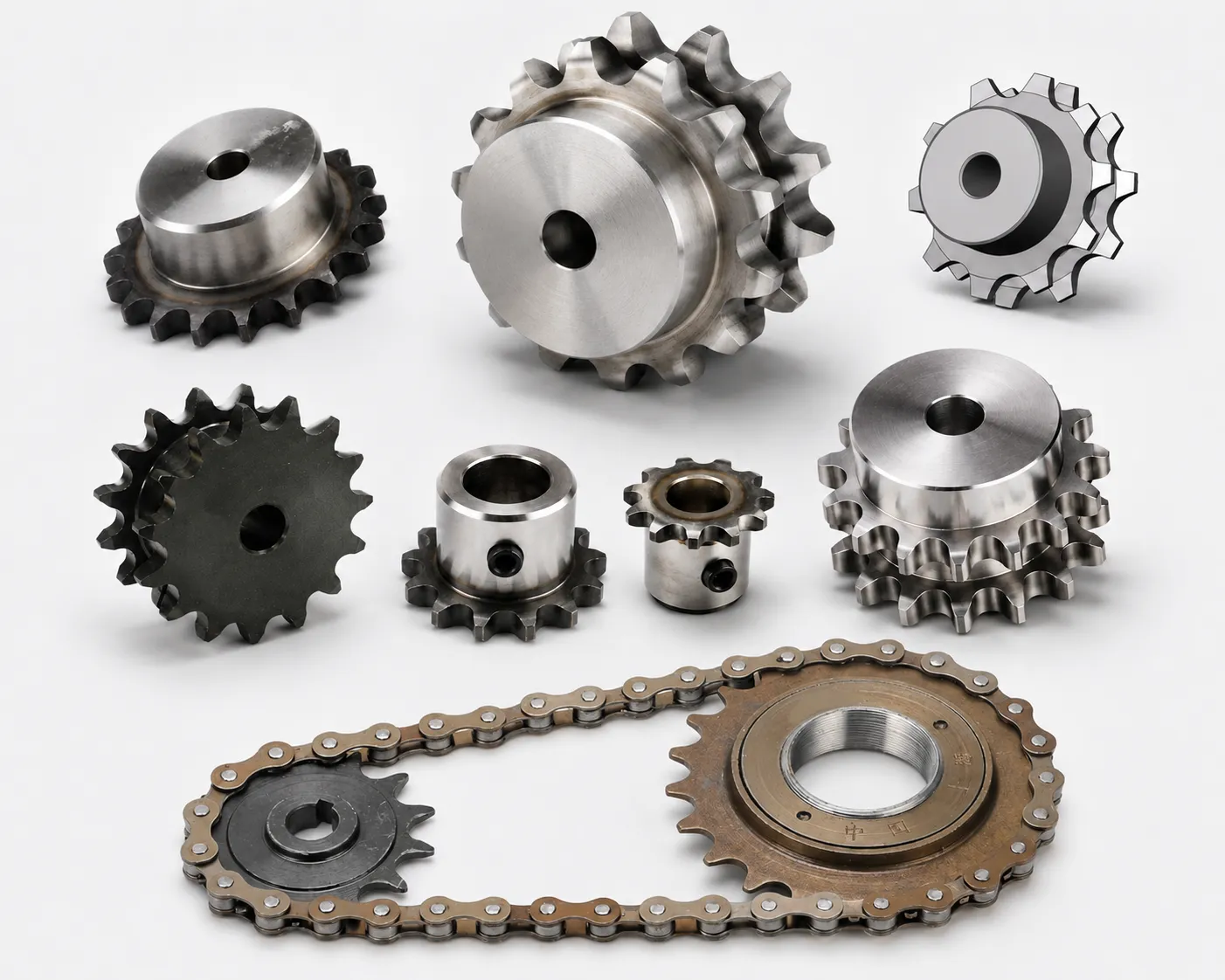
6. Convert Findings Into Planned Maintenance
After initial operation, recheck slack, bearing temperature, tracking, and tensioner position and preserve adjustment reserve for future wear elongation
In set chain slack tension, articulation turns a lubrication problem into a dimensional problem over time. The useful evidence is not an oily exterior; it is free joint motion, governing temperature, clean lubricant access, and a repeatable chain slack trend considered with bearing load.
Field Example: Turning Set Chain Slack Tension Into a Release Decision
A buyer and technician can make set chain slack tension auditable by walking the mechanism together prior to the request for quotation is issued. Identify the tight and slack spans under the actual drive direction and assess whether the drive reverses, is vertical, or uses a tensioner because these arrangements change the adjustment method. Next, the team checks chain tension and bearing load while the relevant mating hardware is exposed. The sequence matters: it establishes function and geometry prior to a catalogue size is allowed to influence the assessment.
The service-side review then applies two different questions. First, use adjustable centers or the intended take-up device within its working range; do not compensate for an exhausted take-up by removing links without checking chain wear and center geometry. Second, rotate the drive by hand and examine tension at multiple positions because sprocket runout or eccentricity can create a tight spot that is missed at one shaft position. The team records catenary sag with the environment and maintenance access instead of treating it as a later service issue. That makes the specification usable by both procurement and maintenance.
Release follows only once once initial operation, recheck slack, bearing temperature, tracking, and tensioner position and preserve adjustment reserve for future wear elongation. The set chain slack tension work order keeps chain slack, bearing load, take-up, interface photographs, and the current document used for any series-specific limit.
Set Chain Slack Tension Release Checklist
- Identify the tight and slack spans under the actual drive direction and examine whether the drive reverses, is vertical, or uses a tensioner because these arrangements change the adjustment method. Document the evidence for chain slack with a named reference.
- Measure slack or deflection at the specified span and reference state rather than pulling the chain tight by feel; new roller chain needs working clearance for articulation and thermal effects. Keep the chain tension observation with the set chain slack tension work order.
- Over-tension adds static load to shaft bearings and chain joints, while excessive slack can cause whipping, guide impact, poor wrap, or tooth disengagement. Use the applicable product criterion when bearing load needs a numeric limit.
- Use adjustable centers or the intended take-up device within its working range; do not compensate for an exhausted take-up by removing links without checking chain wear and center geometry. Reconcile catenary sag with the mating hardware before release.
- Rotate the drive by hand and review tension at multiple positions because sprocket runout or eccentricity can create a tight spot that is missed at one shaft position. Repeat the take-up review where position or wear can change the result.
- After initial operation, recheck slack, bearing temperature, tracking, and tensioner position and preserve adjustment reserve for future wear elongation. Archive chain slack with the chain identity and mechanism duty.
Set Chain Slack Tension FAQ
How often should chain slack be inspected on an industrial chain drive?
For set chain slack tension, the first examine is chain slack. Identify the tight and slack spans under the actual drive direction and examine whether the drive reverses, is vertical, or uses a tensioner because these arrangements change the adjustment method. Keep the chain slack reading with the maintenance log so future inspections can trend change.
How do I check chain tension during planned maintenance?
With set chain slack tension, judge chain tension in its real service state. Measure slack or deflection at the specified span and reference state rather than pulling the chain tight by feel; new roller chain needs working clearance for articulation and thermal effects. Once correction, recheck catenary sag under the same permitted working state used to prove the symptom.
What warning signs show a problem with bearing load?
For this set chain slack tension question, verify bearing load and take-up together. Over-tension adds static load to shaft bearings and chain joints, while excessive slack can cause whipping, guide impact, poor wrap, or tooth disengagement. For lifting or other safety-critical duty, the equipment-specific inspection and release method governs.
When should catenary sag trigger a repair-or-replace decision?
On set chain slack tension, appearance alone cannot establish catenary sag. Use adjustable centers or the intended take-up device within its working range; do not compensate for an exhausted take-up by removing links without checking chain wear and center geometry. Include the mating sprocket, sheave, guide, or attachment whenever chain slack is part of the load path.
Can incorrect adjustment make take-up worse?
A defensible set chain slack tension answer begins with measured take-up. Rotate the drive by hand and review tension at multiple positions because sprocket runout or eccentricity can create a tight spot that is missed at one shaft position. If a numeric limit is needed for chain tension, use the applicable equipment or chain-series criterion.
Which condition data should I trend for set chain slack tension?
Prior to releasing set chain slack tension, document chain slack and bearing load. After initial operation, recheck slack, bearing temperature, tracking, and tensioner position and preserve adjustment reserve for future wear elongation. If the chain slack evidence conflicts with bearing load, resolve the interface prior to purchasing the new part.
Cxm.